
Product Description
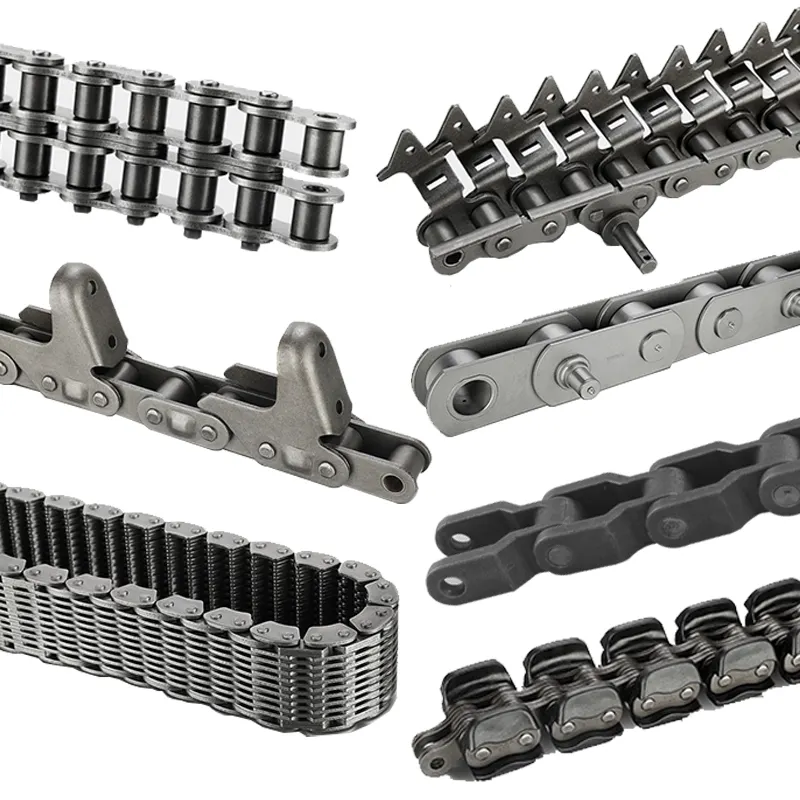
ISO/ANSI/DIN Standard Short Pitch Precision Stainless Steel Hardware Transmission Motorcycle Industrial Roller Chain
Product Description
1. Material: Stainless Steel 304 & 316 / Alloy Carbon Steel
2. Surface Treatment: Shot peening / Zinc-plated / Nickel-plated / Dacromet-plated
3. Chain No:
35SS-1, 40SS-1, 50SS-1, 60SS-1, 80SS-1, 100SS-1, 120SS-1, 140SS-1;
35SS-2, 40SS-2, 50SS-2, 60SS-2, 80SS-2, 100SS-2, 120SS-2, 140SS-2;
35SS-3, 40SS-3, 50SS-3, 60SS-3, 80SS-3, 100SS-3, 120SS-3, 140SS-3;
4. Application: Stainless Steel Chains are used in so many industries, such as machine manufacturing, food machine, etc. Also are suitable for high and low temperature conditions.
5. Characteristic:
1. The chain can be used on the both sides of multi-axle transmission.
2. Easy installation and replacement.
3. It can obtain larger reduction ratio.
4. The roller chain has good elasticity, high strength and each hinge part has lubricating oil, so it can be stored easliy. Thus, compared with the rigid contact tooth, it has good cushioning and vibration absorbing ability.
| Product name | Stainless Steel Roller Chain From China |
| Materials Available | 1. Stainless Steel: SS304, SS316, etc |
| 2. Alloy Steel: 45Mn, 42CrMo, 20CrMo, etc | |
| 3. OEM according to your request | |
| Surface Treatment | Shot peening, Blackening, Oxygenation, Polishing, Zinc-plated, Nickel-plated, Anodized, etc. |
| Characteristic | Fire Resistant, Oil Resistant, Heat Resistant |
| Design criterion | ISO DIN ANSI & Customer’s Drawing |
| Size | Customer’s Drawing & ISO standard |
| Package | Wooden Case / Container and pallet, or made-to-order |
| Certificate | ISO9001: 2008 |
| Advantage | First quality, Best service, Competitive price, Fast delivery |
| Delivery Time | 20 days for samples. 45 days for official order. |
Detailed Photos
View more products,please click here…
Company Profile
| Usage: | Transmission Chain |
|---|---|
| Material: | Stainless steel |
| Structure: | Roller Chain |
| 80-1: | 1" |
| Size: | 50ss-1 |
| Other: | Corrosion Resistance |
| Samples: |
US$ 0/Meter
1 Meter(Min.Order) | |
|---|
| Customization: |
Available
| Customized Request |
|---|
How do roller chains handle high humidity environments?
Roller chains are designed to withstand a wide range of environmental conditions, including high humidity environments. Here’s a detailed answer to the question:
1. Corrosion Resistance: Roller chains can be manufactured using corrosion-resistant materials such as stainless steel or with special coatings that provide protection against rust and corrosion. These features help the chain withstand the effects of high humidity, which can cause moisture to come into contact with the chain surface.
2. Lubrication: Proper lubrication is essential in high humidity environments to prevent moisture from penetrating the chain and causing corrosion. Lubricants with water-resistant properties or specifically designed for humid conditions can be used to provide a protective barrier on the chain’s surfaces, minimizing the impact of moisture.
3. Seal Options: Some roller chains come with additional sealing elements, such as O-rings or X-rings, that provide an extra layer of protection against moisture ingress. These seals help keep the lubrication inside the chain and prevent contaminants from entering, reducing the risk of corrosion.
4. Maintenance Practices: Regular maintenance is crucial in high humidity environments to ensure the longevity of roller chains. Cleaning the chain to remove any accumulated moisture, dirt, or debris and applying appropriate lubrication at recommended intervals help mitigate the effects of humidity on the chain’s performance and lifespan.
5. Proper Storage: When not in use, roller chains should be stored in a dry and controlled environment to prevent prolonged exposure to high humidity. Using appropriate storage methods, such as sealed containers or dehumidified storage areas, can help preserve the chain’s integrity and minimize the risk of corrosion.
By considering these factors and implementing proper maintenance practices, roller chains can effectively handle high humidity environments, ensuring their reliable performance and extended lifespan.
Can roller chains be used for power transmission in pumps and compressors?
Yes, roller chains can be used for power transmission in pumps and compressors. Here’s a detailed answer to the question:
1. Power Transmission: Roller chains are widely used in various industries for transmitting power between rotating components. In pumps and compressors, roller chains can efficiently transfer power from the motor to the impeller or compressor wheel, enabling the pumping or compression action.
2. Versatility: Roller chains are available in different sizes, pitches, and configurations, making them suitable for various power transmission requirements. They can accommodate a wide range of power levels and speeds, allowing pumps and compressors to operate effectively in different applications and conditions.
3. Load Handling: Pumps and compressors typically involve dynamic loads due to the movement of fluids and gases. Roller chains are designed to handle these dynamic loads effectively. The multiple rollers and pins in the chain distribute the load evenly, minimizing stress concentrations and ensuring smooth power transmission.
4. Durability: Roller chains are known for their durability and resistance to wear. They are designed to withstand demanding operating conditions, including high speeds, fluctuating loads, and exposure to contaminants. Proper lubrication and maintenance further enhance their longevity and reliability in pump and compressor applications.
5. Easy Installation and Maintenance: Roller chains offer ease of installation and maintenance. They can be easily installed, adjusted, and tensioned to ensure proper alignment and operation. Routine maintenance tasks such as lubrication and inspection can help optimize chain performance and identify any potential issues.
It’s important to select the appropriate roller chain based on the specific requirements of the pump or compressor, considering factors such as power transmission capacity, speed, load characteristics, and environmental conditions. Regular inspection and maintenance are crucial to ensure optimal performance and to detect any signs of wear or damage that may require replacement or repair.
What are the key components of a roller chain?
A roller chain consists of several key components that work together to facilitate power transmission. Here’s a detailed answer to the question:
1. Inner and Outer Plates: The inner and outer plates are flat metal plates that form the sides of the roller chain. They provide support and protection to the other components and help maintain the proper spacing between the rollers.
2. Rollers: The rollers are cylindrical components that are positioned between the inner and outer plates. They are responsible for engaging with the sprockets and transmitting power. The rollers rotate freely on the bushings and reduce friction during operation.
3. Bushings: The bushings are cylindrical sleeves that fit inside the rollers. They provide a low-friction surface for the rollers to rotate on and help reduce wear and extend the life of the chain.
4. Pins: The pins are cylindrical metal rods that connect the inner and outer plates. They pass through the bushings and hold the chain together. The pins are press-fitted into the plates and provide a pivot point for the rollers.
5. Link Plates: The link plates are the connecting elements between adjacent chain links. They are the plates that hold the pins in place and provide structural integrity to the chain.
6. Master Link or Connecting Link: The master link, also known as the connecting link, is a special link that allows for easy installation and removal of the roller chain. It typically has a removable pin or clip that enables the chain to be opened and closed without the need for special tools.
These components work together to form a continuous loop that engages with the sprockets and transfers power from one shaft to another. The precise design and construction of these components contribute to the overall strength, durability, and efficiency of the roller chain.


editor by CX 2023-08-02