
Product Description
| Chain Type | Welded chain, Roller chain, Hollow pin chain , Drawbench chain, Leaf chain, Engineering chain, Paver chain, Bucket elevator chain, Skid chain, Sugar mill chain, Double flex chain, Sharp top chain, Forged chain, Cast chain , FV/FVC/FVT series chain, Scraper chain M/MVT/MC serise chain, Z/ZC serise chain, Stainless steel chain , Sprocket |
| Material | Carbon steel or alloy with heat treatment /stainless steel (through harden/case harden/induction harden) |
| Surface | Shot Peening Zinc-plated Dacromet blacking Lubricating, free of rust |
| Quality inspection | Inspect length precision and hardness, Pre-stretching after assembling, |
| Package | Polybag+plywood case |
| Application | Sugar mill,cement mil,l metallurgy industry, automobile industry,grain machine.mining machine and so on |
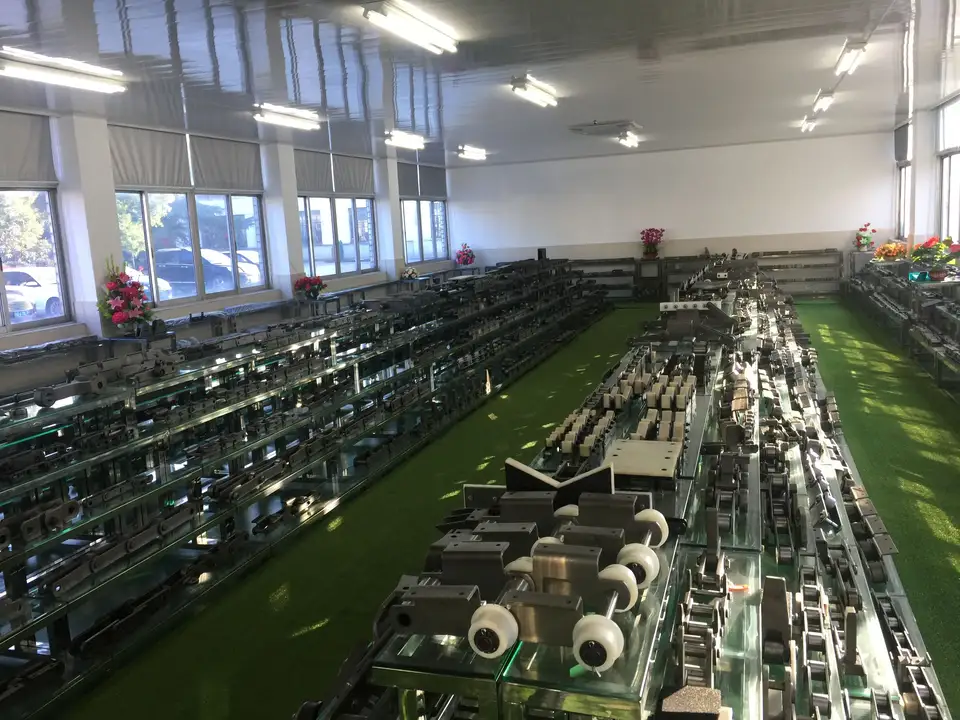
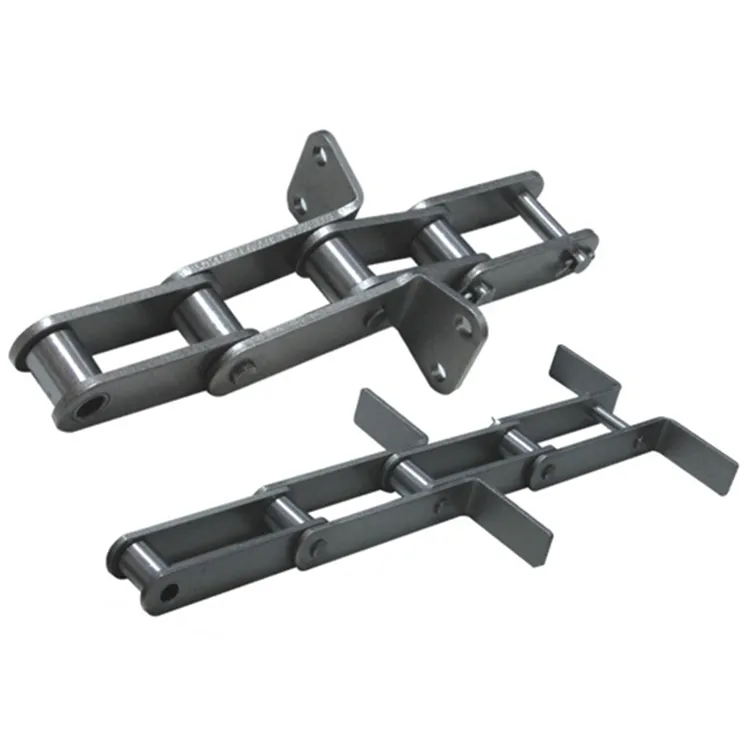
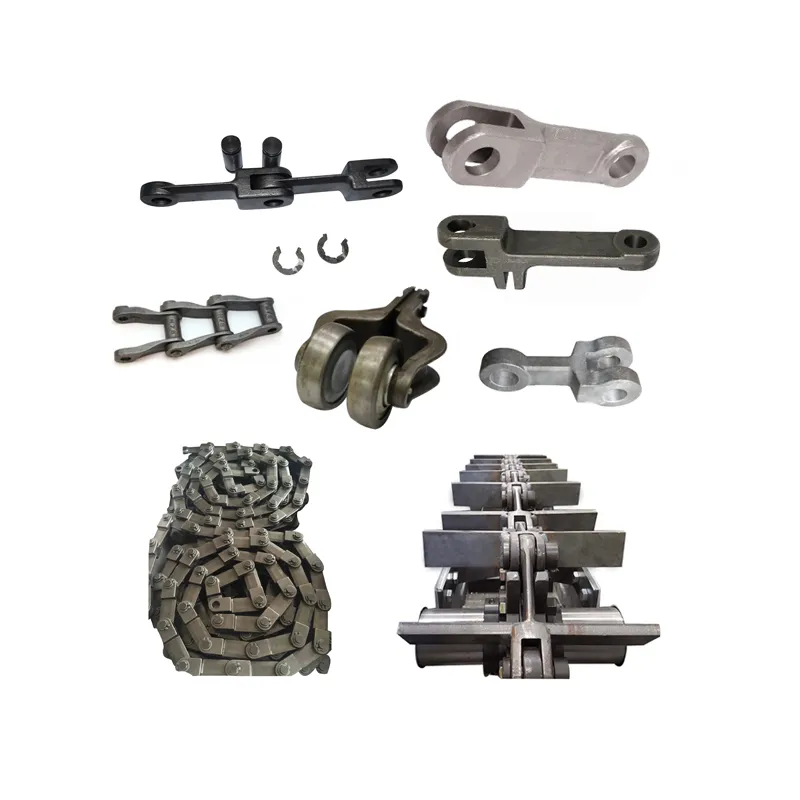
Product Show:
Product Package:
| Usage: | Transmission Chain, Drag Chain, Conveyor Chain, Dedicated Special Chain |
|---|---|
| Material: | Iron/Carbon Steel/Stainless Steel/20mn2 Alloy Stee |
| Surface Treatment: | Galvanized or Original Color or Polishing |
| Feature: | Heat Resistant |
| Chain Size: | Standard Size |
| Structure: | Roller Chain |
| Samples: |
US$ 0/Piece
1 Piece(Min.Order) | |
|---|
| Customization: |
Available
| Customized Request |
|---|
How do agricultural chains handle the challenges of uneven terrain?
Agricultural chains are designed to handle the challenges of uneven terrain commonly encountered in farming and agricultural operations. These chains possess certain characteristics that enable them to navigate and function effectively on rough and undulating surfaces. Here’s how agricultural chains address the challenges of uneven terrain:
- Flexibility: Agricultural chains are built with flexibility in mind. This allows them to adjust and adapt to the varying contours of the terrain, ensuring continuous contact with the sprockets and smooth operation even on bumpy ground.
- High Tensile Strength: To handle uneven terrain, agricultural chains are constructed from high-quality materials with excellent tensile strength. This enhances their ability to withstand stress and load variations while traveling over rough surfaces.
- Self-Cleaning Design: Many agricultural chains feature a self-cleaning design that helps prevent the buildup of mud, debris, and crop residues between the chain links and sprockets. This reduces the risk of chain slippage and ensures reliable performance on uneven ground.
- Corrosion Resistance: Some agricultural chains are equipped with corrosion-resistant coatings or materials, which protect the chains from rust and degradation caused by exposure to moisture and harsh outdoor conditions.
- Sturdy Construction: Agricultural chains are manufactured with durable components and robust construction to withstand the rigors of demanding agricultural environments. This includes uneven terrain, heavy loads, and frequent start-stop cycles.
By addressing these challenges, agricultural chains provide smooth and efficient power transmission between different agricultural machinery components, enabling farmers to effectively work on various types of terrain. Whether it’s plowing, seeding, harvesting, or transporting, the adaptability and strength of agricultural chains play a critical role in optimizing farming operations on uneven ground.
What are the environmental considerations when using agricultural chains?
When using agricultural chains, there are several important environmental considerations that should be taken into account:
- Material Selection: The choice of materials for agricultural chains can have an impact on the environment. Opting for materials with high durability and corrosion resistance can extend the chain’s lifespan, reducing the frequency of replacements and minimizing waste.
- Lubrication: Proper lubrication of agricultural chains is essential for reducing friction, wear, and energy consumption. However, it’s essential to choose environmentally-friendly lubricants to avoid contamination of the soil and surrounding ecosystem.
- Waste Management: Proper waste management is crucial when agricultural chains reach the end of their service life. Recycling and reusing materials whenever possible can reduce the environmental impact of discarded chains.
- Energy Efficiency: Agricultural machinery that utilizes chains should be designed for optimal energy efficiency. Efficient machinery reduces fuel consumption, greenhouse gas emissions, and overall environmental impact.
- Environmental Regulations: Complying with local and regional environmental regulations is essential. These regulations may include restrictions on the use of certain materials, lubricants, or waste disposal methods.
- Preventing Contamination: In some agricultural applications, such as those involving fertilizers or pesticides, preventing contamination of soil and water sources is critical. Proper maintenance and containment practices can help minimize potential risks.
- Conservation: Using agricultural chains in sustainable farming practices, such as conservation tillage or precision agriculture, can contribute to soil health, water conservation, and overall environmental preservation.
By considering these environmental factors and implementing responsible practices, farmers and agricultural industries can minimize the ecological footprint of using agricultural chains. Sustainable chain management and environmentally-friendly approaches to agriculture contribute to a healthier and more sustainable future for farming and the environment as a whole.
How do agricultural chains contribute to the efficiency of agricultural equipment?
Agricultural chains play a vital role in enhancing the efficiency of agricultural equipment in several ways:
- Power Transmission: Agricultural chains are used in various agricultural machinery, such as tractors, combines, and harvesters, to transmit power from the engine to different components. They efficiently transfer rotational force, allowing the equipment to perform tasks like plowing, planting, and harvesting with precision and power.
- Smooth Operation: These chains provide smooth and reliable operation by reducing friction between moving parts. Properly lubricated agricultural chains minimize wear and tear, resulting in less downtime and maintenance requirements, leading to increased overall equipment efficiency.
- High Strength: Agricultural chains are built to withstand high loads and forces, enabling them to handle heavy-duty tasks effectively. Their strength and durability ensure that the equipment can work efficiently under demanding conditions.
- Compatibility: Agricultural chains are designed to be compatible with specific agricultural equipment, ensuring optimal fit and function. This compatibility enhances the overall performance and efficiency of the machinery.
- Reduced Energy Loss: Efficient power transmission through agricultural chains reduces energy loss, leading to fuel savings in the case of engine-powered equipment. This energy efficiency contributes to cost savings and environmental benefits.
- Accurate Timing and Synchronization: In some agricultural applications, such as seeders and planters, precise timing and synchronization are crucial. Agricultural chains, along with sprockets and gears, ensure accurate coordination of movements, resulting in even seeding and planting, thereby improving crop yields.
- Reliable Traction: Chains used in agricultural machinery, especially those in tractors and other vehicles, provide reliable traction and grip in various terrains. This traction is essential for maintaining control and stability during field operations, optimizing efficiency and safety.
In summary, agricultural chains are indispensable components that contribute significantly to the efficiency and productivity of agricultural equipment. They enable smooth power transmission, reduce energy loss, provide reliable traction, and ensure accurate timing, all of which play a vital role in modern farming practices, leading to higher yields and improved overall efficiency.


editor by CX 2023-08-05