
Product Description
Specification OF Roller Chain —Speedway:
We developed and produced many tractor spare parts for European/Jananese Tractors .
Tractor Model we can supply: B1500/1400,B5000,B6000, B7000, TU1400, TX1400, TX1500, YM F1401, YM1400 ETC.
The parts for example: Gearboxes, Tyres, rim Jante, Kit coupling KB-TX 3 point linkage. Exhaust pipe Steering wheel. Kit coupling YM F14/F15, gear shaft, PTO shaft, PTO cardan, key, regulator ect.
Most of the spare parts are with stock. If you are interested in, please feel easy to contact me.
Other relevant parts for cars or machinery we have made in our workshop are as follows:
Drive shaft parts and assemblies,
PTO GEARBOX,
Universal joint parts and assemblies,
PTO drive shafts,
Spline shafts,
Slip yokes,
Weld yokes,
Flange yokes,
Steering columns,
Connecting rods,
etc.
Product Description
Item:
Company Profile
Certifications
FAQ
| Standard or Nonstandard: | Standard |
|---|---|
| Application: | Agricultural Machinery |
| Surface Treatment: | Chrome Plating |
| Structure: | Roller Chain |
| Material: | Alloy Steel,High Carbon Steel,40mn,40cr |
| Type: | Short Pitch Chain |
| Samples: |
US$ 100/Piece
1 Piece(Min.Order) | |
|---|
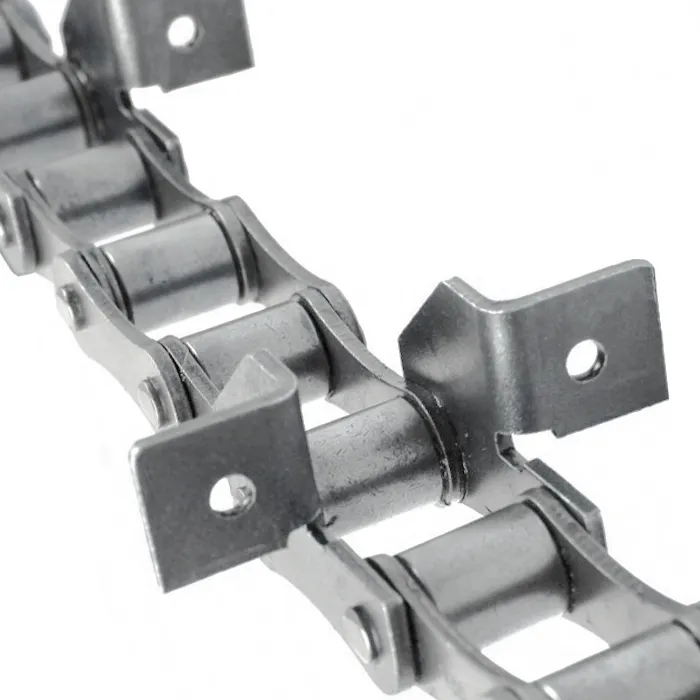
Can agricultural chains be used in grain handling and storage systems?
Yes, agricultural chains are commonly used in grain handling and storage systems in the agricultural industry. These chains play a vital role in efficiently transporting, elevating, and storing grains in silos and storage facilities. Here’s how agricultural chains contribute to the grain handling and storage process:
- Conveying Grains: Agricultural chains are utilized in conveyor systems to move grains from one point to another within the grain handling facility. They are designed to handle heavy loads and resist wear, making them suitable for continuous and demanding grain transportation tasks.
- Elevating Grains: In grain elevators, agricultural chains are used to lift and move grains vertically between different levels. These chains are engineered to withstand the vertical forces and provide reliable and smooth grain elevation.
- Distributing Grains: Agricultural chains are also employed in distribution systems to evenly spread grains in storage bins and silos. Their precision and consistency ensure uniform distribution, optimizing storage capacity and grain quality.
- Operating in Harsh Environments: Grain handling and storage facilities are often exposed to dusty and abrasive conditions. Agricultural chains are designed with durable materials and specialized coatings to withstand these harsh environments, reducing the risk of chain failures and downtime.
- Corrosion Resistance: For outdoor grain storage systems, agricultural chains with corrosion-resistant properties are available to withstand exposure to moisture and prevent rusting.
Overall, agricultural chains are a reliable and efficient solution for grain handling and storage applications. They ensure smooth and continuous grain flow, contributing to the productivity and effectiveness of grain storage facilities, helping farmers and grain handlers efficiently manage and store their harvests.
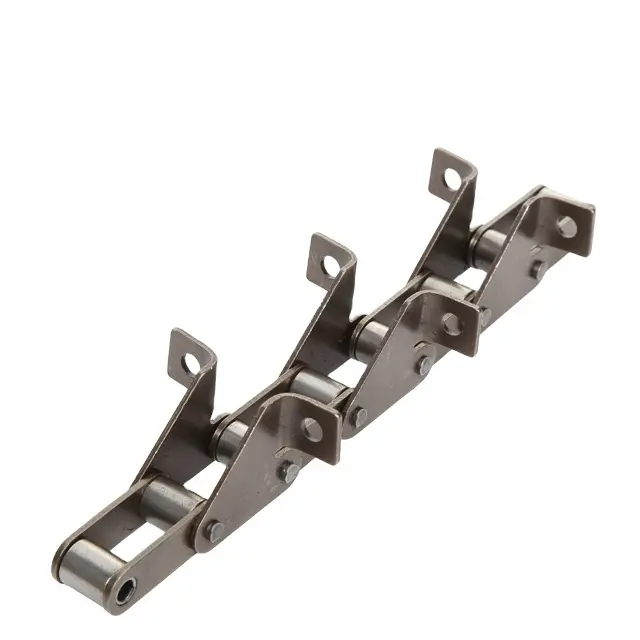
What are the best practices for maintaining agricultural chains?
Maintaining agricultural chains is essential to ensure their longevity, reliability, and optimal performance in farming operations. Here are some best practices for maintaining agricultural chains:
- Regular Inspection: Conduct routine visual inspections of the chains to check for signs of wear, damage, or misalignment. Look for elongation, corrosion, and broken links.
- Lubrication: Proper lubrication is crucial for reducing friction and wear. Follow the manufacturer’s guidelines to apply the right type and amount of lubricant regularly.
- Tension Adjustment: Maintain the correct tension in the chains. Loose chains can lead to jumping or skipping, while overtightened chains can cause premature wear.
- Cleanliness: Keep the chains clean and free from debris, dirt, and crop residues that can cause abrasive wear and damage.
- Environmental Protection: Store agricultural equipment in a dry and covered environment when not in use to prevent rust and corrosion.
- Replacement of Worn Parts: Replace any worn-out or damaged components, such as sprockets, pins, and bushings, as they can affect chain performance.
- Proper Use: Operate agricultural machinery within recommended loads and operating conditions to avoid excessive stress on the chains.
- Training and Operator Awareness: Train equipment operators on proper chain maintenance and raise awareness of the importance of regular inspections and care.
By adhering to these best practices, farmers and agricultural equipment operators can maximize the lifespan of their agricultural chains and minimize downtime due to chain-related issues. Regular maintenance not only enhances chain performance but also contributes to the overall efficiency and productivity of farming operations.
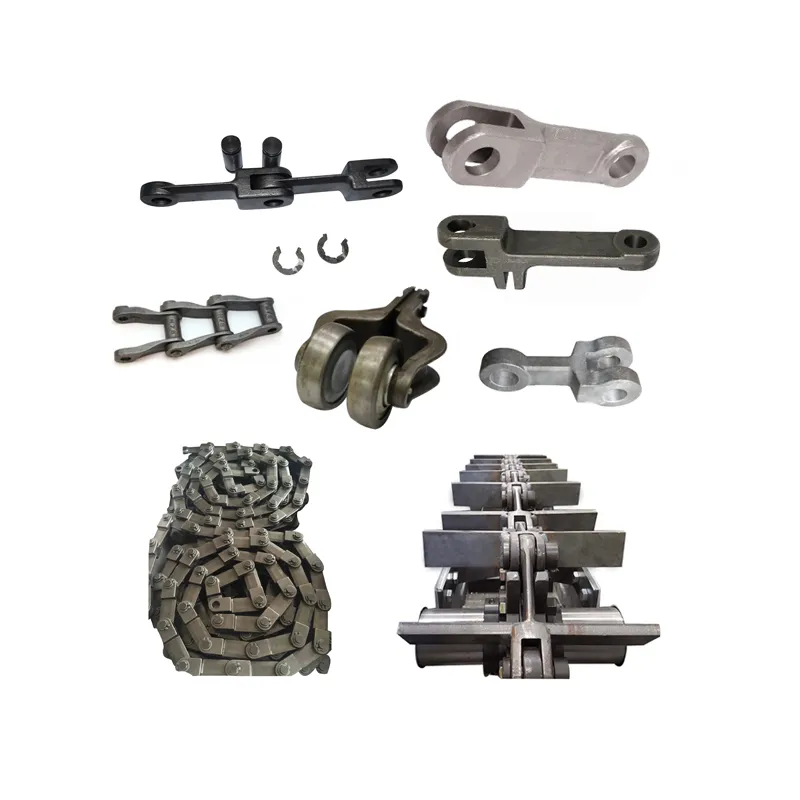
How do agricultural chains contribute to the efficiency of agricultural equipment?
Agricultural chains play a vital role in enhancing the efficiency of agricultural equipment in several ways:
- Power Transmission: Agricultural chains are used in various agricultural machinery, such as tractors, combines, and harvesters, to transmit power from the engine to different components. They efficiently transfer rotational force, allowing the equipment to perform tasks like plowing, planting, and harvesting with precision and power.
- Smooth Operation: These chains provide smooth and reliable operation by reducing friction between moving parts. Properly lubricated agricultural chains minimize wear and tear, resulting in less downtime and maintenance requirements, leading to increased overall equipment efficiency.
- High Strength: Agricultural chains are built to withstand high loads and forces, enabling them to handle heavy-duty tasks effectively. Their strength and durability ensure that the equipment can work efficiently under demanding conditions.
- Compatibility: Agricultural chains are designed to be compatible with specific agricultural equipment, ensuring optimal fit and function. This compatibility enhances the overall performance and efficiency of the machinery.
- Reduced Energy Loss: Efficient power transmission through agricultural chains reduces energy loss, leading to fuel savings in the case of engine-powered equipment. This energy efficiency contributes to cost savings and environmental benefits.
- Accurate Timing and Synchronization: In some agricultural applications, such as seeders and planters, precise timing and synchronization are crucial. Agricultural chains, along with sprockets and gears, ensure accurate coordination of movements, resulting in even seeding and planting, thereby improving crop yields.
- Reliable Traction: Chains used in agricultural machinery, especially those in tractors and other vehicles, provide reliable traction and grip in various terrains. This traction is essential for maintaining control and stability during field operations, optimizing efficiency and safety.
In summary, agricultural chains are indispensable components that contribute significantly to the efficiency and productivity of agricultural equipment. They enable smooth power transmission, reduce energy loss, provide reliable traction, and ensure accurate timing, all of which play a vital role in modern farming practices, leading to higher yields and improved overall efficiency.


editor by CX 2023-08-18