
Product Description
| MODEL | P | T | t | h | H | b | d |
| S16 | 100 | 30 | 15 | 27 | 8 | 16 | 14 |
| P102-W385 | 102 | 30 | 13 | 27 | 9 | 14 | 14 |
| RUS270 | 123 | 50 | 24 | 46 | 16 | 25 | 20 20.5 |
| Z20 | 125 | 50 | 24 | 48 | 15 | 26 | 20 |
| P140 | 140 | 78 | 31 | 50 | 19 | 32 | 25 |
| Z30 | 142 | 64 | 28.5 | 50 | 18 | 30.5 | 25 |
| 150 | 150 | 38 | 18 | 40 | 10 | 20 | 18 |
| P155 | 155 | 79 | 39.5 | 63.5 | 36 | 40.5 | 30 |
| Z25 | 160 | 58 | 28 | 55 | 18 | 30 | 25 |
| YD310 | 200 | 43 | 20 | 47 | 12 | 22 | 20 |
| A-3634 | 216 | 64 | 26 | 72 | 20 | 28.5 | 35 |
| X63 | 250 | 60 | 28 | 70 | 20 | 30 | 25 |
| P260 | 260 | 72 | 32 | 75 | 20 | 34 | 32 |
ZheJiang CZPT Precision Casting and Forging Inc. was established in 2003, covering an area of 40,000 square meter with 300 employees. In 2571, the company passed the quality management system certification of GB/T 19001-2016 and ISO 9001:2015, and has a number of invention patents.It is a national high-tech enterprise.
Our main products are bucket teeth,side teeth,bucket adapter for excavator and loader; Forged pipe coupling for concrete pump ; Drop forged chain for scraper conveyor, etc. Other casting and forging parts canalsobecustomized accordingto customer drawings. The main materials are alloy steel, high manganese steel, gray iron, ductile iron, etc.
Our company can produce casting range in 0.1kg-2tons, forging range in 0.1kg-100kgs, casting and forging annual capacity of 10,000tons.From productdesign, mold development to heattreatment, machining and spraying, we provide the whole processof internal manufacturing to better control the cost and quality.
ZheJiang Plus Import and Export Trading Co., Ltd. was established in 2571, is Wanxin’s subsidiary, mainly responsible for marketing and export.
FAQ
Q1.Are you a manufacturer or a trading company?
we are totally manufacturer of machinery parts.
Q2.Can i get samples for checking the quality?
we can provide free samples,but you need to pay the freight.
Q3.What’s your MOQ?
For normal prodcuts,we don’t have MOQ.
For customerized products,we will tell you MOQ based on your drawing.
Q4.What’s your delivery time?
it’s about 7-45 days based on your quantity.
Q5.What’s your payment terms?
AmountAmount≥5000USD,T/T 30% as deposit,balance before delivery.
| Material: | Alloy |
|---|---|
| Structure: | Forging Chain |
| Surface Treatment: | Polishing |
| Chain Size: | 142 |
| Feature: | Heat Resistant |
| Certificate: | CE/ISO9001:2015 |
| Samples: |
US$ 100/Piece
1 Piece(Min.Order) | |
|---|
| Customization: |
Available
| Customized Request |
|---|
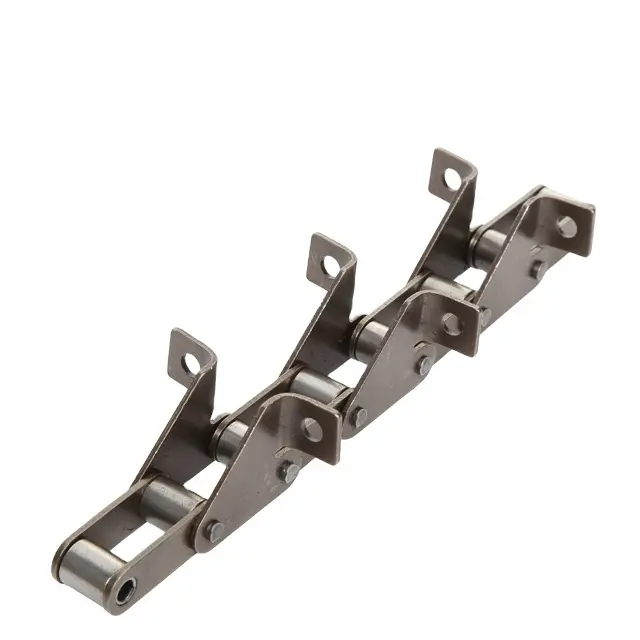
What are the factors to consider when selecting the right agricultural chain pitch?
Choosing the appropriate agricultural chain pitch is crucial to ensure optimal performance and longevity in farming equipment. Several factors should be taken into account when making this selection:
- Application Requirements: Understand the specific requirements of the agricultural application in which the chain will be used. Consider factors such as the type of equipment, load capacity, and the frequency of use.
- Power Transmission: Determine the power transmission needs of the machinery. Higher horsepower or torque requirements may call for a larger chain pitch to handle the increased load.
- Speed: Consider the operating speed of the agricultural equipment. Higher speeds may require smaller chain pitches to ensure smooth operation and reduced wear.
- Working Conditions: Evaluate the environmental conditions in which the chain will operate. Dust, dirt, moisture, and other contaminants can impact chain performance and durability.
- Load Distribution: Analyze how the load is distributed across the chain. Uniform load distribution is essential for preventing premature wear and maintaining the integrity of the chain.
- Maintenance: Factor in the maintenance requirements of the chain pitch. Smaller pitches might require more frequent lubrication and inspection, while larger pitches may offer more tolerance to contamination.
- Compatibility: Ensure that the selected chain pitch is compatible with the sprockets and other components in the agricultural machinery.
- Cost-Effectiveness: Strike a balance between the initial cost of the chain and its expected lifespan. Choosing a high-quality chain that meets the application needs can lead to cost savings in the long run.
By considering these factors, farmers and equipment operators can make an informed decision when selecting the right agricultural chain pitch. Properly matching the chain to the specific application and operational requirements will contribute to enhanced equipment performance, reduced downtime, and increased overall productivity in farming operations.
What are the best practices for maintaining agricultural chains?
Maintaining agricultural chains is essential to ensure their longevity, reliability, and optimal performance in farming operations. Here are some best practices for maintaining agricultural chains:
- Regular Inspection: Conduct routine visual inspections of the chains to check for signs of wear, damage, or misalignment. Look for elongation, corrosion, and broken links.
- Lubrication: Proper lubrication is crucial for reducing friction and wear. Follow the manufacturer’s guidelines to apply the right type and amount of lubricant regularly.
- Tension Adjustment: Maintain the correct tension in the chains. Loose chains can lead to jumping or skipping, while overtightened chains can cause premature wear.
- Cleanliness: Keep the chains clean and free from debris, dirt, and crop residues that can cause abrasive wear and damage.
- Environmental Protection: Store agricultural equipment in a dry and covered environment when not in use to prevent rust and corrosion.
- Replacement of Worn Parts: Replace any worn-out or damaged components, such as sprockets, pins, and bushings, as they can affect chain performance.
- Proper Use: Operate agricultural machinery within recommended loads and operating conditions to avoid excessive stress on the chains.
- Training and Operator Awareness: Train equipment operators on proper chain maintenance and raise awareness of the importance of regular inspections and care.
By adhering to these best practices, farmers and agricultural equipment operators can maximize the lifespan of their agricultural chains and minimize downtime due to chain-related issues. Regular maintenance not only enhances chain performance but also contributes to the overall efficiency and productivity of farming operations.
Can agricultural chains withstand the demanding conditions of farming operations?
Yes, agricultural chains are designed and built to withstand the demanding conditions of farming operations. These chains are specifically engineered to handle the tough and challenging environments that are common in agriculture. Some of the reasons why agricultural chains can withstand these conditions include:
- High-Quality Materials: Agricultural chains are typically made from high-quality materials such as carbon steel, stainless steel, or alloy steel. These materials offer excellent strength, durability, and resistance to wear, making them suitable for heavy-duty applications.
- Robust Construction: The construction of agricultural chains involves precision engineering and heat treatment processes, which enhance their strength and toughness. This ensures that the chains can withstand the high loads and stresses encountered in farming equipment.
- Corrosion Resistance: Farming operations often involve exposure to moisture, dirt, and chemicals, which can lead to corrosion. Agricultural chains are designed with corrosion-resistant coatings or materials to protect against rust and deterioration.
- Proper Lubrication: Adequate lubrication is essential for the smooth operation and longevity of agricultural chains. Many agricultural chains come with lubrication holes or grooves to facilitate proper lubrication and reduce friction.
- Compatibility: Agricultural chains are designed to be compatible with the sprockets, gears, and other components in farming equipment, ensuring reliable performance and efficient power transmission.
- Regular Maintenance: Like any mechanical component, agricultural chains require regular maintenance to ensure optimal performance and longevity. Proper maintenance practices, including lubrication, cleaning, and inspection, can help extend the life of the chain.
Overall, agricultural chains are built to be rugged and durable, capable of withstanding the harsh conditions of farming operations. When properly selected, installed, and maintained, these chains play a crucial role in the reliable and efficient functioning of various agricultural machinery and equipment.


editor by CX 2023-09-04