
Product Description
| MODEL | P | T | t | h | H | b | d |
| S16 | 100 | 30 | 15 | 27 | 8 | 16 | 14 |
| P102-W385 | 102 | 30 | 13 | 27 | 9 | 14 | 14 |
| RUS270 | 123 | 50 | 24 | 46 | 16 | 25 | 20 20.5 |
| Z20 | 125 | 50 | 24 | 48 | 15 | 26 | 20 |
| P140 | 140 | 78 | 31 | 50 | 19 | 32 | 25 |
| Z30 | 142 | 64 | 28.5 | 50 | 18 | 30.5 | 25 |
| 150 | 150 | 38 | 18 | 40 | 10 | 20 | 18 |
| P155 | 155 | 79 | 39.5 | 63.5 | 36 | 40.5 | 30 |
| Z25 | 160 | 58 | 28 | 55 | 18 | 30 | 25 |
| YD310 | 200 | 43 | 20 | 47 | 12 | 22 | 20 |
| A-3634 | 216 | 64 | 26 | 72 | 20 | 28.5 | 35 |
| X63 | 250 | 60 | 28 | 70 | 20 | 30 | 25 |
| P260 | 260 | 72 | 32 | 75 | 20 | 34 | 32 |
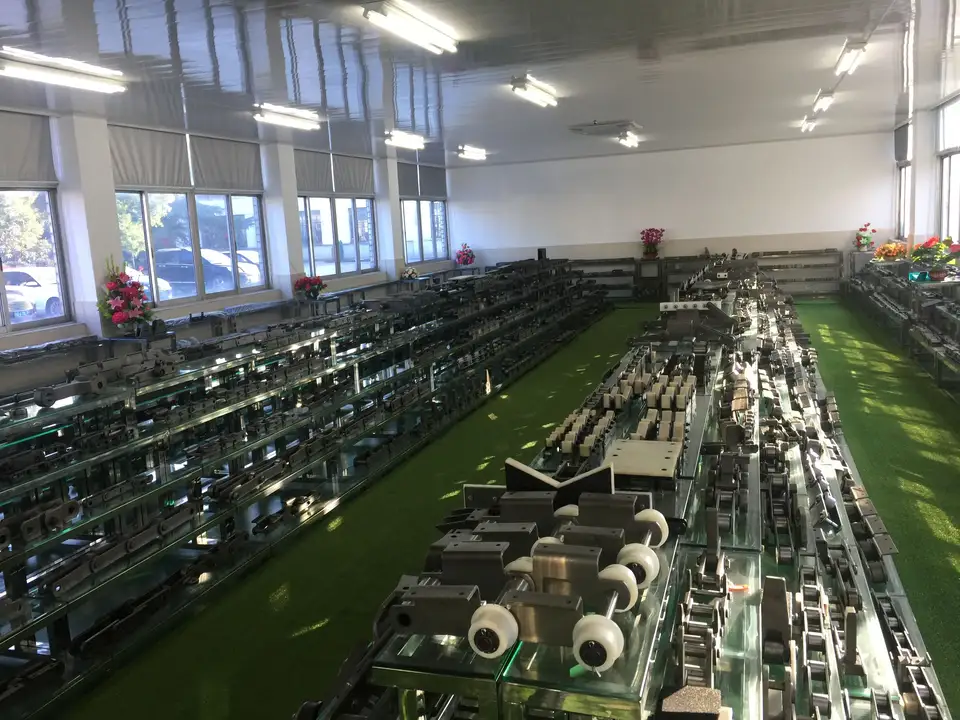
ZheJiang CHINAMFG Precision Casting and Forging Inc. was established in 2003, covering an area of 40,000 square meter with 300 employees. In 2571, the company passed the quality management system certification of GB/T 19001-2016 and ISO 9001:2015, and has a number of invention patents.It is a national high-tech enterprise.
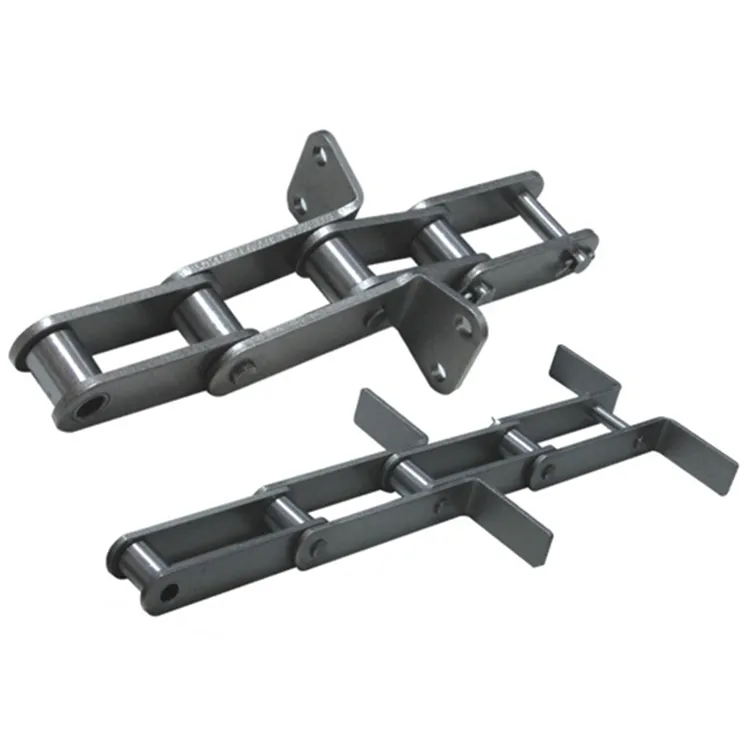
Our main products are bucket teeth,side teeth,bucket adapter for excavator and loader; Forged pipe coupling for concrete pump ; Drop forged chain for scraper conveyor, etc. Other casting and forging parts canalsobecustomized accordingto customer drawings. The main materials are alloy steel, high manganese steel, gray iron, ductile iron, etc.
Our company can produce casting range in 0.1kg-2tons, forging range in 0.1kg-100kgs, casting and forging annual capacity of 10,000tons.From productdesign, mold development to heattreatment, machining and spraying, we provide the whole processof internal manufacturing to better control the cost and quality.
ZheJiang Plus Import and Export Trading Co., Ltd. was established in 2571, is Wanxin’s subsidiary, mainly responsible for marketing and export.
FAQ
Q1.Are you a manufacturer or a trading company?
we are totally manufacturer of machinery parts.
Q2.Can i get samples for checking the quality?
we can provide free samples,but you need to pay the freight.
Q3.What’s your MOQ?
For normal prodcuts,we don’t have MOQ.
For customerized products,we will tell you MOQ based on your drawing.
Q4.What’s your delivery time?
it’s about 7-45 days based on your quantity.
Q5.What’s your payment terms?
AmountAmount≥5000USD,T/T 30% as deposit,balance before delivery.
| Material: | Alloy |
|---|---|
| Structure: | Forging Chain |
| Surface Treatment: | Polishing |
| Chain Size: | 142 |
| Feature: | Heat Resistant |
| Process: | Forging |
| Samples: |
US$ 100/Piece
1 Piece(Min.Order) | |
|---|
| Customization: |
Available
| Customized Request |
|---|
How do agricultural chains handle the challenges of uneven terrain?
Agricultural chains are designed to handle the challenges of uneven terrain commonly encountered in farming and agricultural operations. These chains possess certain characteristics that enable them to navigate and function effectively on rough and undulating surfaces. Here’s how agricultural chains address the challenges of uneven terrain:
- Flexibility: Agricultural chains are built with flexibility in mind. This allows them to adjust and adapt to the varying contours of the terrain, ensuring continuous contact with the sprockets and smooth operation even on bumpy ground.
- High Tensile Strength: To handle uneven terrain, agricultural chains are constructed from high-quality materials with excellent tensile strength. This enhances their ability to withstand stress and load variations while traveling over rough surfaces.
- Self-Cleaning Design: Many agricultural chains feature a self-cleaning design that helps prevent the buildup of mud, debris, and crop residues between the chain links and sprockets. This reduces the risk of chain slippage and ensures reliable performance on uneven ground.
- Corrosion Resistance: Some agricultural chains are equipped with corrosion-resistant coatings or materials, which protect the chains from rust and degradation caused by exposure to moisture and harsh outdoor conditions.
- Sturdy Construction: Agricultural chains are manufactured with durable components and robust construction to withstand the rigors of demanding agricultural environments. This includes uneven terrain, heavy loads, and frequent start-stop cycles.
By addressing these challenges, agricultural chains provide smooth and efficient power transmission between different agricultural machinery components, enabling farmers to effectively work on various types of terrain. Whether it’s plowing, seeding, harvesting, or transporting, the adaptability and strength of agricultural chains play a critical role in optimizing farming operations on uneven ground.
What are the environmental considerations when using agricultural chains?
When using agricultural chains, there are several important environmental considerations that should be taken into account:
- Material Selection: The choice of materials for agricultural chains can have an impact on the environment. Opting for materials with high durability and corrosion resistance can extend the chain’s lifespan, reducing the frequency of replacements and minimizing waste.
- Lubrication: Proper lubrication of agricultural chains is essential for reducing friction, wear, and energy consumption. However, it’s essential to choose environmentally-friendly lubricants to avoid contamination of the soil and surrounding ecosystem.
- Waste Management: Proper waste management is crucial when agricultural chains reach the end of their service life. Recycling and reusing materials whenever possible can reduce the environmental impact of discarded chains.
- Energy Efficiency: Agricultural machinery that utilizes chains should be designed for optimal energy efficiency. Efficient machinery reduces fuel consumption, greenhouse gas emissions, and overall environmental impact.
- Environmental Regulations: Complying with local and regional environmental regulations is essential. These regulations may include restrictions on the use of certain materials, lubricants, or waste disposal methods.
- Preventing Contamination: In some agricultural applications, such as those involving fertilizers or pesticides, preventing contamination of soil and water sources is critical. Proper maintenance and containment practices can help minimize potential risks.
- Conservation: Using agricultural chains in sustainable farming practices, such as conservation tillage or precision agriculture, can contribute to soil health, water conservation, and overall environmental preservation.
By considering these environmental factors and implementing responsible practices, farmers and agricultural industries can minimize the ecological footprint of using agricultural chains. Sustainable chain management and environmentally-friendly approaches to agriculture contribute to a healthier and more sustainable future for farming and the environment as a whole.
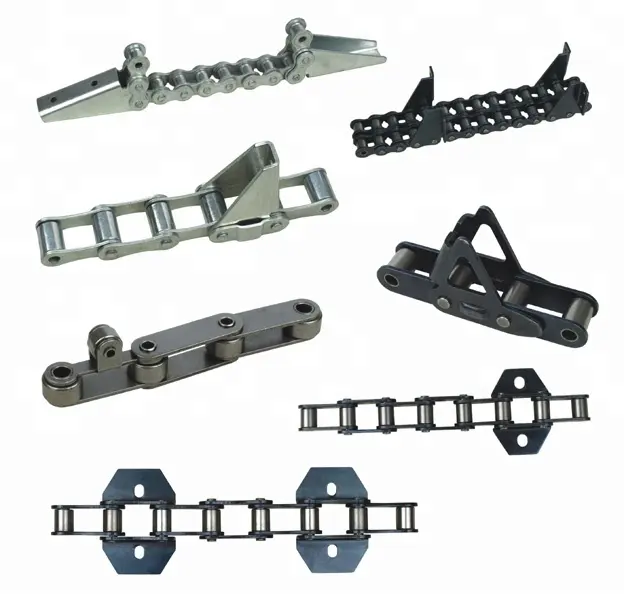
What are the key features to consider when selecting an agricultural chain?
When selecting an agricultural chain, several key features need to be considered to ensure its optimal performance and longevity in farming equipment. These features include:
- Material: The material of the agricultural chain is crucial as it affects its strength, durability, and resistance to wear and corrosion. Chains are commonly made from carbon steel, stainless steel, or alloy steel, with each offering different properties suited to specific applications.
- Tensile Strength: The tensile strength of the chain determines its load-carrying capacity. It’s essential to choose a chain with adequate tensile strength to handle the maximum loads encountered in the application.
- Pitch Size: The pitch size refers to the distance between the center of one chain pin to the center of the next pin. It’s crucial to select the correct pitch size to ensure compatibility with the sprockets or gears in the agricultural machinery.
- Working Conditions: Consider the operating environment of the agricultural equipment, including temperature, moisture levels, and exposure to dirt and debris. Choosing a chain that can withstand the specific working conditions will enhance its performance and longevity.
- Lubrication Requirements: Some chains may require regular lubrication to reduce friction and wear. Assessing the lubrication needs and the ability to maintain proper lubrication in the application is essential for chain performance.
- Corrosion Resistance: In certain agricultural applications, exposure to moisture or chemicals can lead to corrosion. Choosing a chain with excellent corrosion resistance ensures a longer service life in such environments.
- Load Distribution: Consider how the load will be distributed across the chain and the number of strands required to handle the load efficiently. Improper load distribution can lead to premature wear and failure.
- Installation and Maintenance: Evaluate the ease of installation and maintenance requirements of the chain. Chains that are easy to install and maintain can reduce downtime and enhance productivity.
By carefully considering these key features and matching them to the specific requirements of the agricultural equipment and application, farmers and agricultural workers can select the most suitable agricultural chain for their needs, ensuring reliable and efficient operation.


editor by CX 2023-10-27