
Product Description
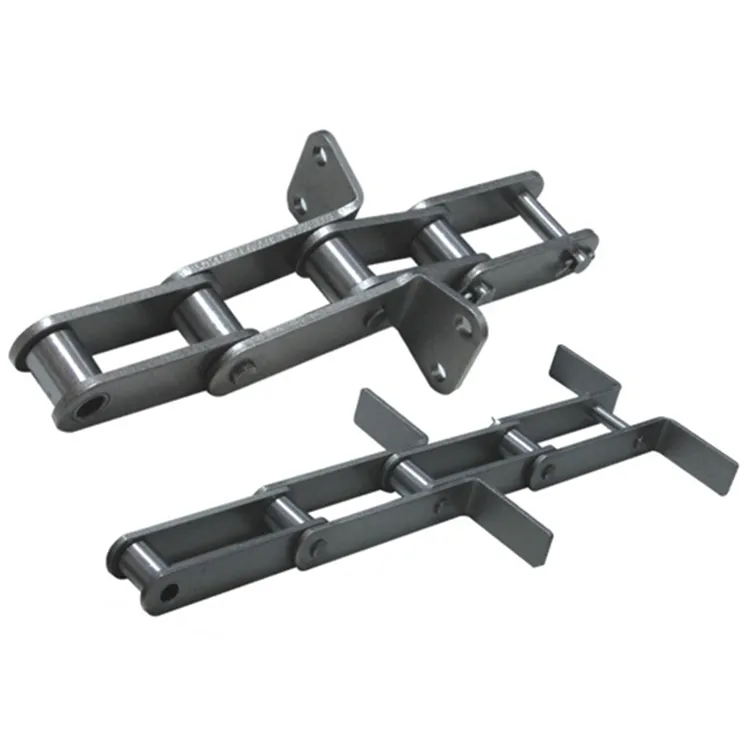
Forging Conveyor Scraper Chain
Product Description
CHINAMFG can provide you conveyor scraper chain with high quality, the material could be 20CrMnTi, 40Cr or 35CrMo.
1. Conveyor Chain in practical use
Our conveyor chains are made by die forging, hardening and tempering and carburization. Its hardness can be up to HRC 50. The scraper chain is suitable for conveyor device used in bulk materials such as cement, powder, grain powder, sand and coal in powderk pellet or small lump styles.
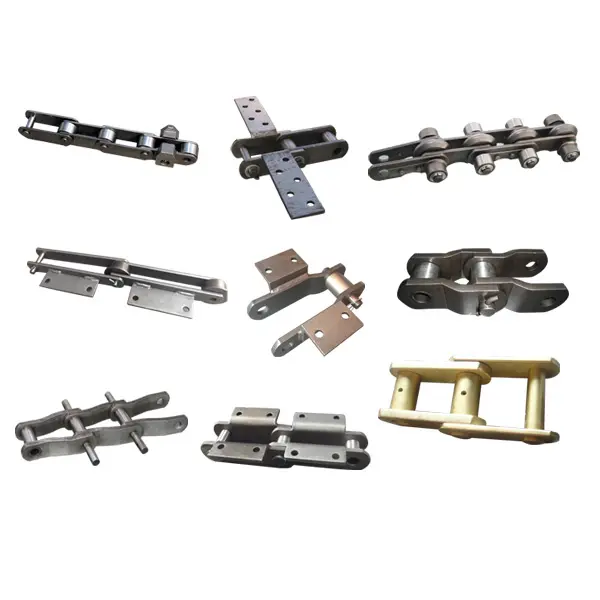
2. Scraper Chain Standard Series
Forged scraper chain has proven to be 1 of the most reliable conveying mediums offering a combination of versality, strength and abrasion resistance.
Company Profile:
Why should you choose SEGER?
1. Excellent and professional service:
We have a high quality sales team including sales staff, quality engineers and technicians.
2. Quality control:
The passing rate of finished product is more than 99%. Every product need to be checked by many processes.
3. Comprehensive service:
Delivery will be ready within 30 days after receiving your down payment.
We have been in this field for 20 years, covering ovearseas market of 30 different countries.
Supply all the products with good quality and competitive price.
| Chain Number | P | T | C | S | F | R | Bolt Hole Diameter (mm) | Breaking Loads (KN) |
| 10160 | 101.6 | 24 | 36 | 8 | 18 | 6 | 14 | 120 |
| 12514 | 125 | 30 | 36 | 13 | 14 | 10 | 16 | 175 |
| 14218 | 142 | 42 | 50 | 19 | 20 | 11 | 25 | 320 |
| 14226 | 142 | 62 | 50 | 28 | 30 | 15 | 25 | 470 |
| 16018 | 160 | 46 | 46 | 22 | 24 | 15 | 22 | 342 |
| 16571 | 160 | 50 | 53 | 23 | 25 | 13 | 25 | 400 |
| 2571 | 200 | 66 | 60 | 30 | 32 | 20 | 30 | 540 |
| 22040 | 220 | 64 | 72 | 26 | 28 | 20 | 35 | 630 |
| 22060 | 220 | 71 | 75 | 31 | 33 | 21 | 35 | 790 |
| 26045 | 260 | 78 | 75 | 35 | 37 | 20 | 32 | 1000 |
/* January 22, 2571 19:08:37 */!function(){function s(e,r){var a,o={};try{e&&e.split(“,”).forEach(function(e,t){e&&(a=e.match(/(.*?):(.*)$/))&&1
| Material: | Alloy |
|---|---|
| Structure: | Combined Chain |
| Surface Treatment: | Forging Surface |
| Samples: |
US$ 30/Piece
1 Piece(Min.Order) | Order Sample according to customers′ drawings
|
|---|
| Customization: |
Available
| Customized Request |
|---|
.shipping-cost-tm .tm-status-off{background: none;padding:0;color: #1470cc}
|
Shipping Cost:
Estimated freight per unit. |
about shipping cost and estimated delivery time. |
|---|
| Payment Method: |
|
|---|---|
|
Initial Payment Full Payment |
| Currency: | US$ |
|---|
| Return&refunds: | You can apply for a refund up to 30 days after receipt of the products. |
|---|
Can agricultural chains be used in greenhouse automation and climate control systems?
Yes, agricultural chains are commonly used in greenhouse automation and climate control systems to facilitate various functions and enhance the efficiency of greenhouse operations. These chains play a vital role in automating tasks and controlling the indoor environment to create optimal growing conditions for plants.
Here’s how agricultural chains are utilized in greenhouse automation:
- Ventilation Systems: Agricultural chains are employed in the opening and closing mechanisms of greenhouse roof vents and side vents. These vents are crucial for regulating temperature, humidity, and air circulation inside the greenhouse.
- Shading Systems: Some greenhouses utilize shading systems to protect plants from excessive sunlight and heat. Agricultural chains help in deploying and retracting the shading materials, allowing precise control over the amount of light and heat that enters the greenhouse.
- Irrigation Systems: Automated irrigation systems in greenhouses are essential for delivering water to plants at the right time and in the right quantities. Agricultural chains are used to control the movement of irrigation equipment and ensure uniform water distribution.
- Conveyors and Transport Systems: Agricultural chains are integrated into conveyor systems for efficient movement of plants and produce within the greenhouse. This automation streamlines the workflow and reduces manual labor.
- Climate Control: Greenhouse climate control systems often rely on agricultural chains to adjust the position of louvers, curtains, and other components that regulate temperature, humidity, and CO2 levels.
Using agricultural chains in greenhouse automation offers several benefits, including increased productivity, reduced labor costs, and improved crop quality. However, it is essential to choose high-quality chains that can withstand the environmental conditions inside the greenhouse and ensure proper maintenance to prolong their service life.
In conclusion, agricultural chains are well-suited for use in greenhouse automation and climate control systems, contributing to the success and efficiency of modern greenhouse farming practices.
What are the common challenges faced by agricultural chains in the field?
Agricultural chains encounter several challenges in the field due to the demanding and harsh conditions of farming operations. Some of the common challenges include:
- Abrasion and Wear: Agricultural chains often operate in dusty and abrasive environments. Soil particles, crop residues, and other debris can cause significant wear on the chain’s components, leading to reduced efficiency and potential failure.
- Corrosion: Exposure to moisture, fertilizers, and pesticides can cause corrosion in agricultural chains, especially if they are not adequately protected. Corrosion weakens the chain and shortens its lifespan.
- High Loads and Shock Loads: Farming equipment frequently experiences high loads and shock loads during operations, such as when encountering tough soil or harvesting dense crops. These sudden force variations can put immense stress on the chains, leading to fatigue and breakage.
- Misalignment: Improper alignment of sprockets and other chain components can result in uneven wear and reduced performance. Misalignment is a common issue that can lead to premature failure of the agricultural chain.
- Temperature Extremes: Agricultural chains may be subjected to extreme temperature fluctuations, from hot summer days to freezing winter nights. Such temperature variations can affect the chain’s material properties and lubrication, impacting its performance.
- Contamination: The presence of dirt, debris, or crop residues can contaminate the chain’s lubrication, reducing its effectiveness and increasing friction.
To address these challenges, it is essential to choose high-quality agricultural chains made from durable materials and provide regular maintenance. Proper lubrication, alignment, and protection from environmental factors can significantly extend the lifespan and reliability of agricultural chains in the field.
What are the signs of wear and when should agricultural chains be replaced?
Agricultural chains, like any other machinery components, will experience wear over time due to regular use and exposure to various elements. It’s essential to monitor the condition of the chains regularly and look for signs of wear. Here are some common signs of wear:
- **Stretching:** If an agricultural chain becomes longer than its original length, it has likely experienced stretching due to prolonged use. Excessive stretching can lead to poor performance and may require replacement.
- **Corrosion or Rust:** Chains that have been exposed to moisture or chemicals without proper protection may develop corrosion or rust. Such chains should be replaced to maintain the equipment’s efficiency and prevent failure.
- **Visible Damage:** Any visible damage, such as cracks, breaks, or bent components, is a clear sign of wear. Damaged chains should be replaced immediately to avoid safety hazards.
- **Stiff Movement:** If the chain’s movement becomes stiff or irregular, it may be a result of wear, lack of lubrication, or contamination. Proper maintenance or replacement may be necessary.
- **Frequent Repairs:** If the chain requires frequent repairs despite proper maintenance, it may be nearing the end of its service life and should be replaced.
It’s essential to follow the manufacturer’s recommendations for maintenance intervals and inspection procedures. Regular inspections and timely replacement of worn-out agricultural chains are crucial to ensure the safe and efficient operation of farming equipment. Replacement intervals can vary based on the chain’s design, material quality, operating conditions, and maintenance practices.


editor by CX 2024-04-10