
Product Description
Harvester Chains of Carton Steel (415S)
PRODUCT SHOW
PRODUCT DETAILS
Product Parameters
| Standard | GB, ISO, ANSI, DIN |
| Type | Standard A and standard B precision roller chain, conveyor chain; |
| special chain with accessories, welding chain, leaf chain and sprocket | |
| ANSI chain No. | 40,50,60,80,100,120,140,160,180,200,240; |
| C40,C50,C60,C80,C100,C120,C140,C160; | |
| DIN/ISO chain No. | 08A,10A,12A,16A,20A,24A,28A,32A,36A,40A,48A; |
| C08A,C10A,C12A,C16A,C20A,C24A,C28A,C32A; | |
| Application | Food processing, pharmaceutical and chemical industries, electronics, machinery; |
| household appliances, automotive manufacturing, metallurgy, sewage treatment | |
| Series | A series, B series |
More Products
Advantage
Certifications
DETAILS ABOUT CHINAMFG CHAIN
Exhibition
Workshop
Application
Packaging Details
Shipping
FAQ
1. Are you a manufacturer or trade Company?
We are a factory founded in 1997 with a trade team for international service.
2. What terms of payment do you usually use?
T/T 30% deposit and 70% against document, Western Union, L/C at sight
3. What is your lead time for your goods?
Normally 35 days after confirmed order. 30 days could be available in the low season for some items (during May to July), and 45 days during the new year and hot season ( Jan to March).
4. Samples
For customers who need sample confirmation before ordering, please bear in mind that the following policy will be adopted:
1) All samples are free of charge with a maximum value not exceeding USD 100.
2) The courier cost for the first-time sample sending will be charged by the consignee. We will send the samples with freight to be collected. So please inform your account with FedEx, UPS, DHL, or TNT so that we can proceed promptly.
3) The first-time courier cost will be totally deducted from the contract value of the trial cooperation.
/* January 22, 2571 19:08:37 */!function(){function s(e,r){var a,o={};try{e&&e.split(“,”).forEach(function(e,t){e&&(a=e.match(/(.*?):(.*)$/))&&1
| Usage: | Transmission Chain, Conveyor Chain, Agricultural Machine |
|---|---|
| Material: | Alloy/Carbon Steel |
| Surface Treatment: | Polishing |
| Customization: |
Available
| Customized Request |
|---|
.shipping-cost-tm .tm-status-off{background: none;padding:0;color: #1470cc}
| Shipping Cost:
Estimated freight per unit. |
about shipping cost and estimated delivery time. |
|---|
| Payment Method: |
|
|---|---|
|
Initial Payment Full Payment |
| Currency: | US$ |
|---|
| Return&refunds: | You can apply for a refund up to 30 days after receipt of the products. |
|---|
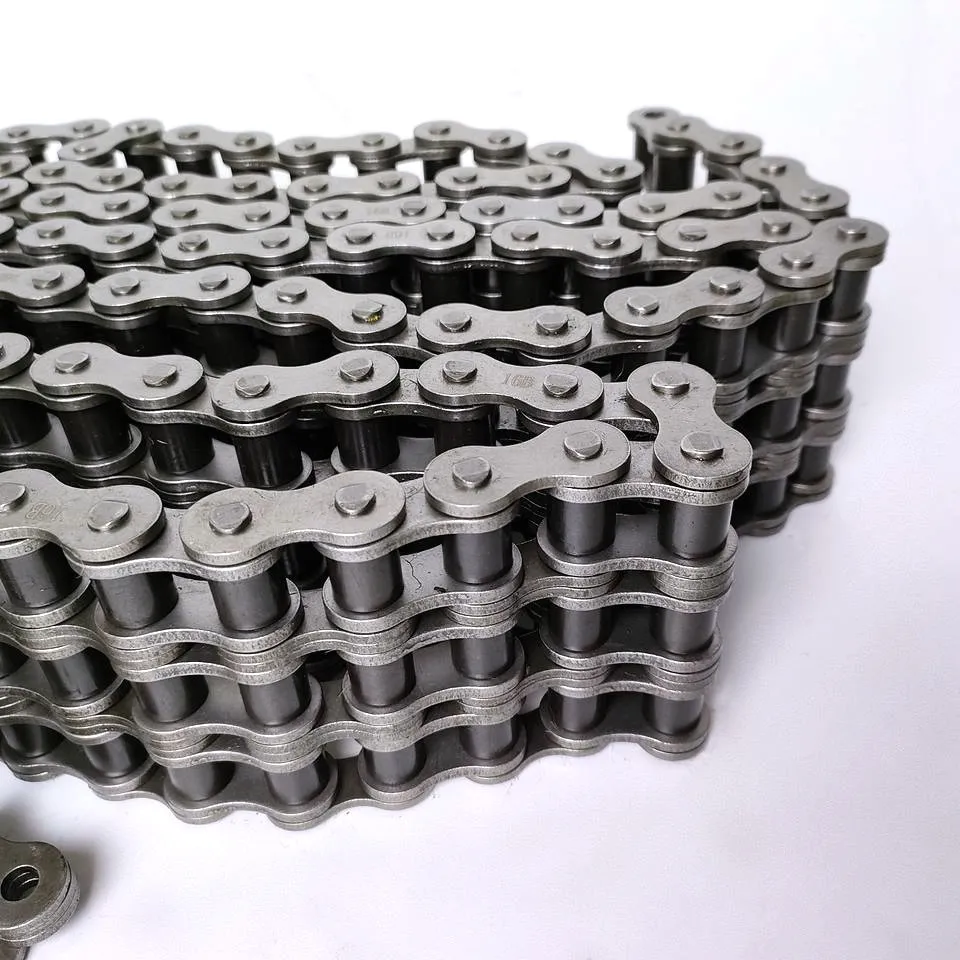
What are the differences between ANSI and ISO roller chain standards?
ANSI (American National Standards Institute) and ISO (International Organization for Standardization) are two widely recognized standards for roller chains. Here’s a detailed answer to the question:
1. Designation and Nomenclature: ANSI and ISO roller chains have different designations and nomenclature. ANSI chains typically use a three-digit number to denote the pitch size, while ISO chains use a four-digit number. The nomenclature for chain sizes and dimensions may also vary between the two standards.
2. Dimensions and Tolerances: ANSI and ISO roller chains may have slight differences in dimensions and tolerances. While the basic design principles are similar, there may be variations in the allowable tolerances for pitch, roller diameter, plate thickness, and other critical dimensions.
3. Load Capacity and Strength: ANSI and ISO standards have different approaches to determining the load capacity and strength of roller chains. The formulas and methods used for calculating the maximum allowable load and ultimate strength may differ between the two standards.
4. Interchangeability: ANSI and ISO roller chains are generally not interchangeable. The differences in dimensions, tolerances, and load capacity calculations make it important to use chains that conform to the specific standard required by the application.
5. Regional Adoption: ANSI roller chain standards are widely used in North America, while ISO standards are more commonly adopted in Europe and many other parts of the world. The regional preference and market availability may influence the choice of standard in different applications and industries.
It’s important to consult the specific ANSI or ISO standard documents for detailed information on the requirements and specifications of roller chains. Additionally, working with suppliers or manufacturers familiar with the applicable standards can help ensure the proper selection and use of roller chains in accordance with the desired standard.
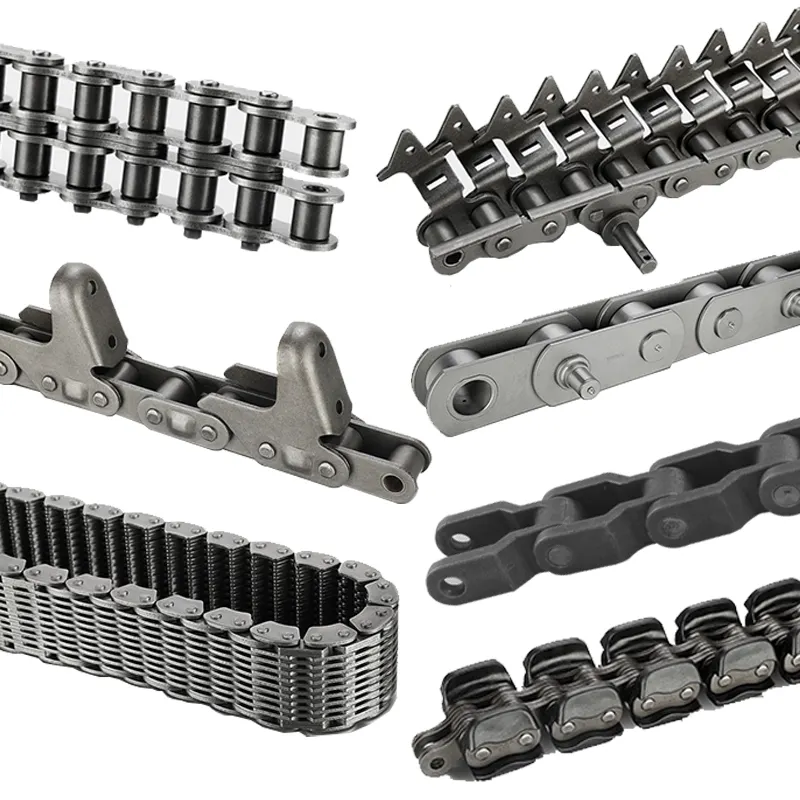
Can roller chains be used for power transmission in pumps and compressors?
Yes, roller chains can be used for power transmission in pumps and compressors. Here’s a detailed answer to the question:
1. Power Transmission: Roller chains are widely used in various industries for transmitting power between rotating components. In pumps and compressors, roller chains can efficiently transfer power from the motor to the impeller or compressor wheel, enabling the pumping or compression action.
2. Versatility: Roller chains are available in different sizes, pitches, and configurations, making them suitable for various power transmission requirements. They can accommodate a wide range of power levels and speeds, allowing pumps and compressors to operate effectively in different applications and conditions.
3. Load Handling: Pumps and compressors typically involve dynamic loads due to the movement of fluids and gases. Roller chains are designed to handle these dynamic loads effectively. The multiple rollers and pins in the chain distribute the load evenly, minimizing stress concentrations and ensuring smooth power transmission.
4. Durability: Roller chains are known for their durability and resistance to wear. They are designed to withstand demanding operating conditions, including high speeds, fluctuating loads, and exposure to contaminants. Proper lubrication and maintenance further enhance their longevity and reliability in pump and compressor applications.
5. Easy Installation and Maintenance: Roller chains offer ease of installation and maintenance. They can be easily installed, adjusted, and tensioned to ensure proper alignment and operation. Routine maintenance tasks such as lubrication and inspection can help optimize chain performance and identify any potential issues.
It’s important to select the appropriate roller chain based on the specific requirements of the pump or compressor, considering factors such as power transmission capacity, speed, load characteristics, and environmental conditions. Regular inspection and maintenance are crucial to ensure optimal performance and to detect any signs of wear or damage that may require replacement or repair.
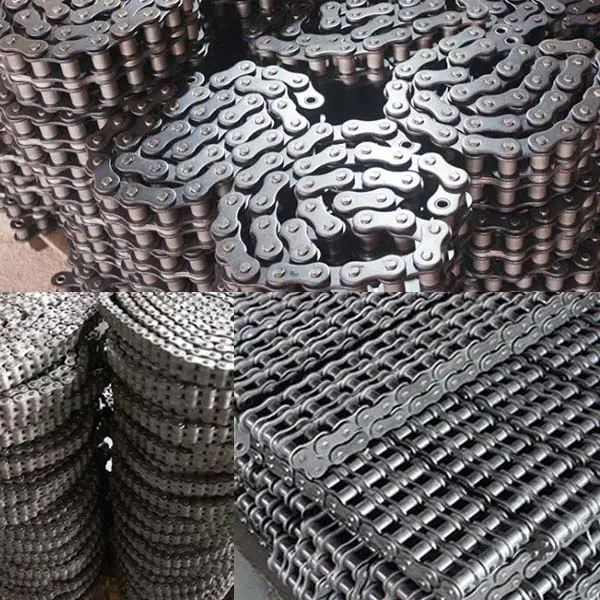
What is the expected lifespan of a roller chain?
The expected lifespan of a roller chain can vary depending on several factors, including the quality of the chain, the operating conditions, and the level of maintenance. Here’s a detailed answer to the question:
The lifespan of a roller chain is primarily influenced by the following factors:
1. Chain Quality: High-quality roller chains made from durable materials and manufactured to precise specifications tend to have a longer lifespan compared to lower-quality chains. Chains from reputable manufacturers often undergo rigorous testing and quality control processes to ensure their performance and durability.
2. Operating Conditions: The operating environment greatly affects the lifespan of a roller chain. Factors such as temperature, humidity, contamination, shock loads, and vibration can impact the chain’s wear and fatigue resistance. Chains operating in harsh conditions may require more frequent maintenance and replacement.
3. Lubrication and Maintenance: Proper lubrication is crucial for maintaining the lifespan of a roller chain. Regular lubrication helps reduce friction, wear, and corrosion, thereby extending the chain’s life. Additionally, regular inspection and maintenance, including tension adjustment, sprocket alignment, and cleaning, can help identify and address issues that could shorten the chain’s lifespan.
4. Load and Speed: The load and speed at which the roller chain operates also play a role in determining its lifespan. Chains operating under heavy loads or high speeds may experience increased wear and fatigue, shortening their lifespan. Choosing a chain with the appropriate strength and size for the application is important to ensure optimal performance and longevity.
Generally, a well-maintained roller chain can last for thousands of hours of operation. However, it is essential to monitor the chain’s condition regularly and replace it when signs of wear, elongation, or damage become apparent. Following the manufacturer’s recommendations for maintenance and replacement intervals is crucial for maximizing the lifespan of the roller chain.


editor by CX 2024-04-12