
Product Description
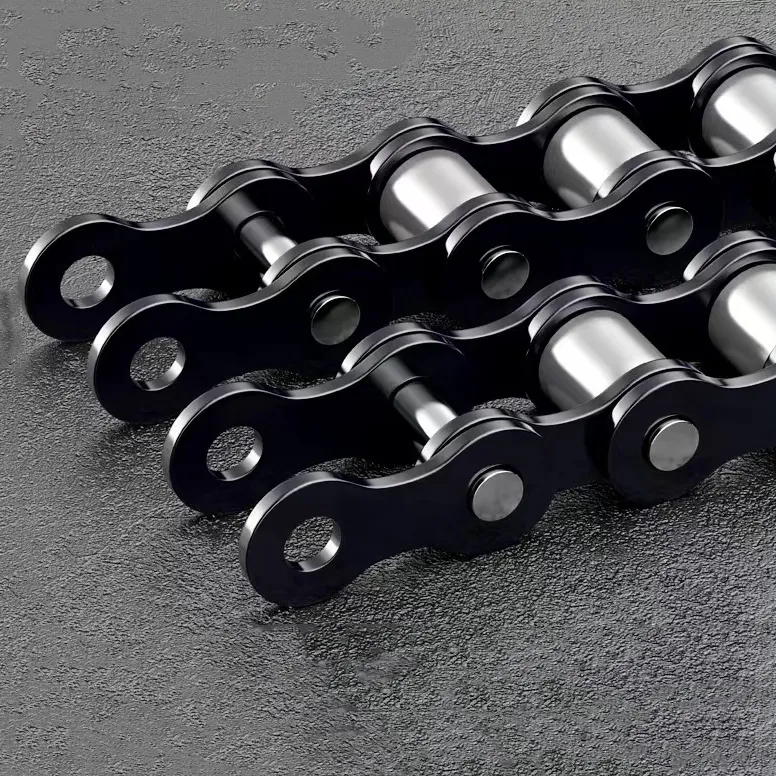
CZPT rollers enhance rotation on the bushing while reducing impact loads on the sprocket tooth during operation.
All components are heat treated to achieve maximum strength.
Pre-loaded during the manufacturing process to minimize initial elongation.
Hot dipped lubrication ensures 100% lubrication of all chain components to extend wear life and reduce maintenance costs.
| ISO NO. |
PITCH | BUSH WIDTH |
ROLLER DIA |
PIN | PLATE | MIN. STRENGTH |
AVG. STRENGTH |
TRANS PITCH |
|||
| d | L | LC | H | T | |||||||
| mm | mm | mm | mm | mm | mm | mm | mm | kgf | kgf | mm | |
| C08B-1 | 12.700 | 7.75 | 8.51 | 4.45 | 17.00 | 20.70 | 11.80 | 1.50 | 1,820 | 1,950 | NIL |
| C10B-1 | 15.875 | 9.65 | 10.16 | 5.08 | 19.60 | 23.70 | 14.70 | 1.70 | 2,270 | 2,800 | NIL |
| C12B-1 | 19.050 | 11.68 | 12.07 | 5.75 | 22.70 | 27.30 | 16.10 | 1.80 | 2,950 | 350 | NIL |
| C16B-1 | 25.400 | 17.02 | 15.88 | 8.28 | 36.10 | 41.50 | 21.00 | 4.0/3.2 | 6,130 | 7,500 | NIL |
| C20B-1 | 31.750 | 19.56 | 19.05 | 10.19 | 43.20 | 49.30 | 26.40 | 4.70 | 9,700 | 10,850 | NIL |
| C24B-1 | 38.100 | 25.40 | 25.40 | 14.63 | 53.40 | 60.00 | 33.40 | 6.30 | 16,330 | 18,200 | NIL |
| C28B-1 | 44.450 | 30.99 | 27.94 | 15.90 | 65.10 | 72.50 | 37.00 | 7.80 | 20,410 | 23,000 | NIL |
| C32B-1 | 50.800 | 30.99 | 29.21 | 17.81 | 67.40 | 75.30 | 42.20 | 7.30 | 25,520 | 28,500 | NIL |
| C08B-2 | 12.700 | 7.75 | 8.51 | 4.45 | 31.00 | 34.90 | 11.80 | 1.50 | 3,180 | 3,850 | 13.92 |
| C10B-2 | 15.875 | 9.65 | 10.16 | 5.08 | 36.20 | 40.30 | 14.70 | 1.70 | 4,550 | 5,600 | 16.59 |
| C12B-2 | 19.050 | 11.68 | 12.07 | 5.75 | 42.20 | 46.80 | 16.10 | 1.80 | 5,900 | 6,500 | 19.46 |
| C16B-2 | 25.400 | 17.02 | 15.88 | 8.28 | 68.00 | 73.40 | 21.00 | 4.0/3.2 | 10,820 | 15,000 | 31.88 |
| C20B-2 | 31.750 | 19.56 | 19.05 | 10.19 | 79.00 | 85.10 | 26.40 | 4.70 | 17,350 | 21,700 | 36.45 |
| C24B-2 | 38.100 | 25.40 | 25.40 | 14.63 | 101.00 | 107.60 | 33.40 | 6.30 | 28,580 | 36,400 | 48.36 |
| C28B-2 | 44.450 | 30.99 | 27.94 | 15.90 | 124.00 | 131.40 | 37.00 | 7.80 | 36,740 | 46,000 | 59.56 |
| C32B-2 | 50.800 | 30.99 | 29.21 | 17.81 | 126.00 | 133.90 | 42.20 | 7.30 | 45,920 | 57,000 | 58.55 |
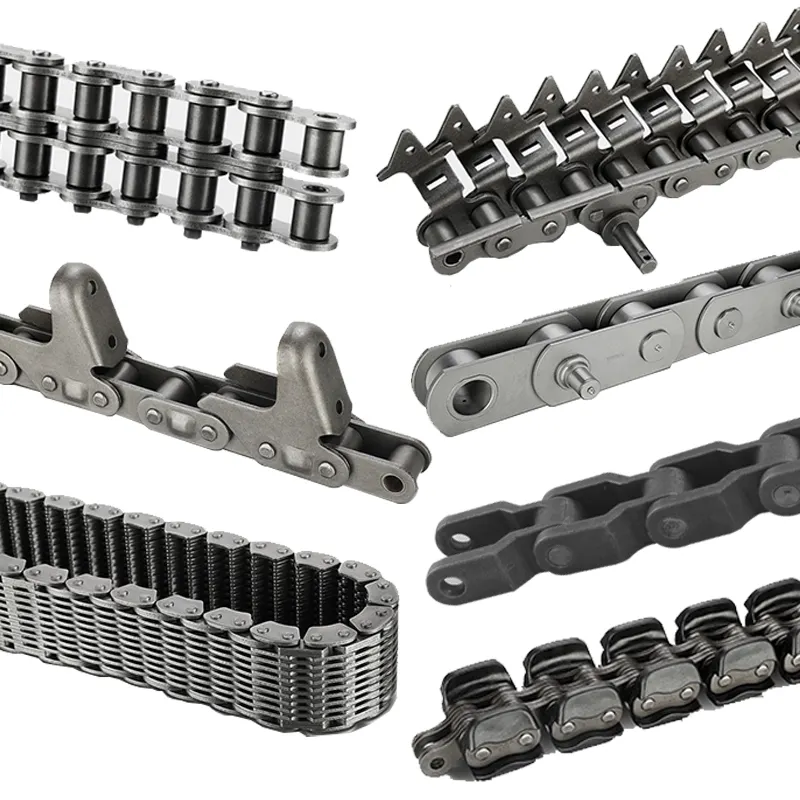
| Usage: | Transmission Chain, Conveyor Chain, Roller Chain |
|---|---|
| Material: | Alloy/Carbon Steel |
| Surface Treatment: | Polishing |
| Feature: | Heat Resistant |
| Chain Size: | 1/2"*2" |
| Structure: | Roller Chain |
| Samples: |
US$ 10/Meter
1 Meter(Min.Order) | |
|---|
| Customization: |
Available
| Customized Request |
|---|
Can roller chains be used for overhead or inverted applications?
Roller chains can be used for overhead or inverted applications, but there are certain considerations to keep in mind. Here’s a detailed answer to the question:
1. Lubrication: In overhead or inverted applications, proper lubrication is crucial to ensure smooth operation and prevent premature wear. Gravity can affect the distribution of lubricant within the chain, so it’s important to use a lubrication method that can effectively reach all the critical components.
2. Tensioning: In overhead or inverted applications, the tensioning of the roller chain becomes even more important. The chain should be properly tensioned to prevent sagging or excessive slack, which can lead to uneven load distribution, chain skipping, or disengagement from the sprockets.
3. Environmental Considerations: Overhead or inverted applications may expose the roller chain to environmental factors such as dust, debris, moisture, or temperature variations. It’s important to select a roller chain that is designed to withstand the specific environmental conditions and provides adequate protection against corrosion, contamination, and wear.
4. Sprocket Alignment: Proper sprocket alignment is critical for the smooth operation of roller chains in overhead or inverted applications. Misalignment can result in chain binding, increased friction, and premature wear. Regular inspection and adjustment of the sprocket alignment are necessary to maintain optimal performance.
5. Chain Design: Depending on the specific requirements of the overhead or inverted application, specialized roller chain designs may be available. These designs may include features such as sealed joints, self-lubricating capabilities, or corrosion-resistant coatings to enhance performance and reliability in such applications.
By considering these factors and selecting a roller chain specifically designed for overhead or inverted applications, it is possible to achieve reliable and efficient power transmission in these challenging orientations.
Can roller chains be used for power transmission in pumps and compressors?
Yes, roller chains can be used for power transmission in pumps and compressors. Here’s a detailed answer to the question:
1. Power Transmission: Roller chains are widely used in various industries for transmitting power between rotating components. In pumps and compressors, roller chains can efficiently transfer power from the motor to the impeller or compressor wheel, enabling the pumping or compression action.
2. Versatility: Roller chains are available in different sizes, pitches, and configurations, making them suitable for various power transmission requirements. They can accommodate a wide range of power levels and speeds, allowing pumps and compressors to operate effectively in different applications and conditions.
3. Load Handling: Pumps and compressors typically involve dynamic loads due to the movement of fluids and gases. Roller chains are designed to handle these dynamic loads effectively. The multiple rollers and pins in the chain distribute the load evenly, minimizing stress concentrations and ensuring smooth power transmission.
4. Durability: Roller chains are known for their durability and resistance to wear. They are designed to withstand demanding operating conditions, including high speeds, fluctuating loads, and exposure to contaminants. Proper lubrication and maintenance further enhance their longevity and reliability in pump and compressor applications.
5. Easy Installation and Maintenance: Roller chains offer ease of installation and maintenance. They can be easily installed, adjusted, and tensioned to ensure proper alignment and operation. Routine maintenance tasks such as lubrication and inspection can help optimize chain performance and identify any potential issues.
It’s important to select the appropriate roller chain based on the specific requirements of the pump or compressor, considering factors such as power transmission capacity, speed, load characteristics, and environmental conditions. Regular inspection and maintenance are crucial to ensure optimal performance and to detect any signs of wear or damage that may require replacement or repair.
What are the advantages of using a roller chain in machinery?
A roller chain offers several advantages when used in machinery. Here’s a detailed answer to the question:
1. High Load Capacity: Roller chains are designed to handle high loads and transmit power efficiently. They are capable of carrying heavy loads and withstanding high torque, making them suitable for applications that require reliable power transmission.
2. Wide Speed Range: Roller chains can operate at a wide range of speeds, from low to high. They are capable of handling both slow-speed and high-speed applications, providing flexibility in machinery design and operation.
3. Durability and Longevity: Roller chains are known for their durability and long service life. They are constructed using high-quality materials and undergo precise manufacturing processes, resulting in chains that can withstand heavy use, harsh environments, and repetitive motions without premature failure.
4. Easy Installation and Maintenance: Roller chains are relatively easy to install and maintain. They have a simple design and can be quickly assembled onto sprockets. Routine maintenance involves lubrication, periodic inspections, and occasional tension adjustments, which are straightforward tasks.
5. Versatility: Roller chains are versatile and can be used in a wide range of machinery and equipment. They find applications in various industries, including automotive, agriculture, manufacturing, construction, and more. They can be customized to meet specific requirements by selecting the appropriate type, size, and configuration.
6. Efficient Power Transmission: Roller chains provide efficient power transmission between the driving and driven components. The rolling action of the chain on the sprockets reduces friction and energy losses, resulting in higher mechanical efficiency compared to other types of power transmission methods.
7. Compact Design: Roller chains have a compact design, which allows for efficient power transmission in tight spaces. They occupy less space compared to other types of power transmission systems, making them suitable for machinery with space constraints.
8. Cost-Effective Solution: Roller chains are a cost-effective solution for power transmission in machinery. They are relatively inexpensive compared to alternative power transmission methods and offer a high level of reliability and longevity, resulting in lower maintenance and replacement costs over time.
Overall, the advantages of using roller chains in machinery include their high load capacity, wide speed range, durability, ease of installation and maintenance, versatility, efficient power transmission, compact design, and cost-effectiveness. These factors make roller chains a popular choice for many machinery applications.


editor by CX 2023-08-30