
Product Description
Product Description
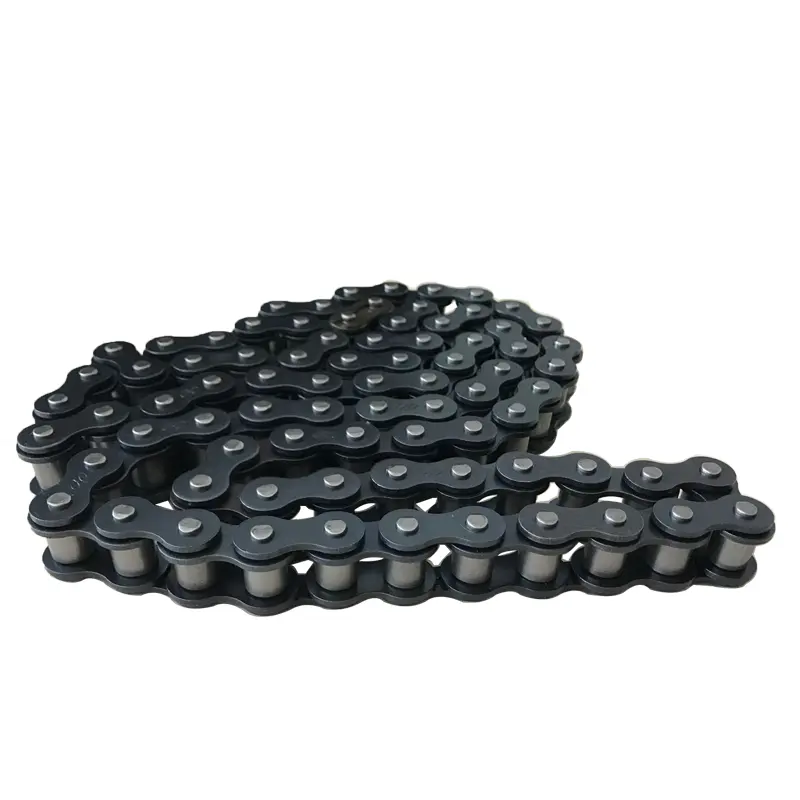
Free Flow Chian
BS25
| Chain Number | model | Pitch | Roller Dia. (D) | Roller Dia.(d) | Weight(kg/m) |
| BS25-C206B | SKVR25-1905 | 19.05 | 18.3 | 11.91 | 0.52 |
| BS25-C208A | SKVR25-2540 | 25.4 | 24.6 | 15.88 | 0.79 |
| BS25-C212A | SKVR25-3810 | 38.1 | 36.6 | 22.23 | 2.19 |
BS30
| Chain Number | model | Pitch | Roller Dia. (D) | Roller Dia.(d) | Weight(kg/m) |
| BS30-C212A | SKVR30-3810 | 38.1 | 38 | 18 | 2.14 |
Free flow chian, also called plus speed chain, accumulation chain, Differential chain.
Free flow chian, also called plus speed chain, accumulation chain, Differential chain.
It is a popular chain used in pallet/tray conveyor system.
Free flow chian, also called plus speed chain, accumulation chain, Differential chain.
Free flow chain is 1 of the major products of Seikonveyor. Its production is finished in automatic factory. In every month CHINAMFG factory supplys over 500000 CHINAMFG free flow chain to the market. Include different materials types: Nylon, steel, stainless steel. and different color: black, blue, brown. Our free flow chain is widely used in automatic conveyor system, especially for different kinds of assembly lines
BS25 free flow chain production view
Free flow chian, also called plus speed chain, accumulation chain, Differential chain.
BS30 free flow chain production view
Free flow chian, also called plus speed chain, accumulation chain, Differential chain.
We pick perfect rollers to assemble the free flow chain, to ensure the chain run smooth
Free flow chian, also called plus speed chain, accumulation chain, Differential chain.
Bulk production makes our free flow chain with competitive price in the martke.
Free flow chian, also called plus speed chain, accumulation chain, Differential chain.
For bulk order, we provide plywood crate package to protect it from damage during transportation.
/* January 22, 2571 19:08:37 */!function(){function s(e,r){var a,o={};try{e&&e.split(“,”).forEach(function(e,t){e&&(a=e.match(/(.*?):(.*)$/))&&1
| Material: | Plastic |
|---|---|
| Structure: | Roller Chain |
| Surface Treatment: | Electroplating |
| Feature: | Fire Resistant, Oil Resistant, Heat Resistant |
| Pitch: | 38.1 |
| Weight: | 6.8kgs/PC |
| Samples: |
US$ 20/Meter
1 Meter(Min.Order) | |
|---|
| Customization: |
Available
| Customized Request |
|---|
Are there any special considerations for installing roller chains?
Proper installation of roller chains is crucial to ensure their optimal performance and longevity. Here are some key considerations for installing roller chains:
1. Alignment: Ensure proper alignment of the sprockets to prevent side loading and premature wear. The sprockets should be aligned parallel to each other and positioned at the correct distance according to the chain’s pitch.
2. Tension: Proper chain tension is essential for smooth operation and to prevent excessive wear. Follow the manufacturer’s recommendations for the appropriate tension based on the specific chain type and application. It’s important to achieve the correct tension without over-tightening, as excessive tension can lead to increased stress and accelerated wear.
3. Lubrication: Apply the appropriate lubricant to the roller chain during installation. Lubrication helps reduce friction, wear, and heat generation. Follow the manufacturer’s recommendations for the type and frequency of lubrication based on the operating conditions and chain design. Ensure even distribution of lubricant along the chain’s length.
4. Sprocket Teeth Engagement: Check that the chain properly engages with the teeth of the sprockets. The chain should fit snugly into the sprocket teeth without excessive clearance or interference. Incorrect engagement can cause slippage, uneven wear, and premature failure.
5. Chain Length: Ensure that the chain length is appropriate for the application. Avoid excessive slack or excessive tension by adjusting the chain length accordingly. An incorrectly sized chain can lead to poor performance, increased wear, and potential damage to the chain and sprockets.
6. Protection: Consider using chain guards or covers to protect the roller chain from external contaminants such as dust, dirt, or debris. This helps minimize wear and extends the chain’s lifespan, particularly in harsh or dirty environments.
7. Regular Inspection: Regularly inspect the roller chain and sprockets for signs of wear, damage, or misalignment. Monitor the chain’s performance and address any issues promptly to avoid further damage and prevent unexpected downtime.
8. Proper Tools and Techniques: Use appropriate tools and techniques during installation to ensure accuracy and prevent damage to the chain or components. Follow the manufacturer’s guidelines or consult with experts for specific installation instructions.
By following these considerations and best practices, you can ensure proper installation of roller chains and maximize their performance and durability in your application.
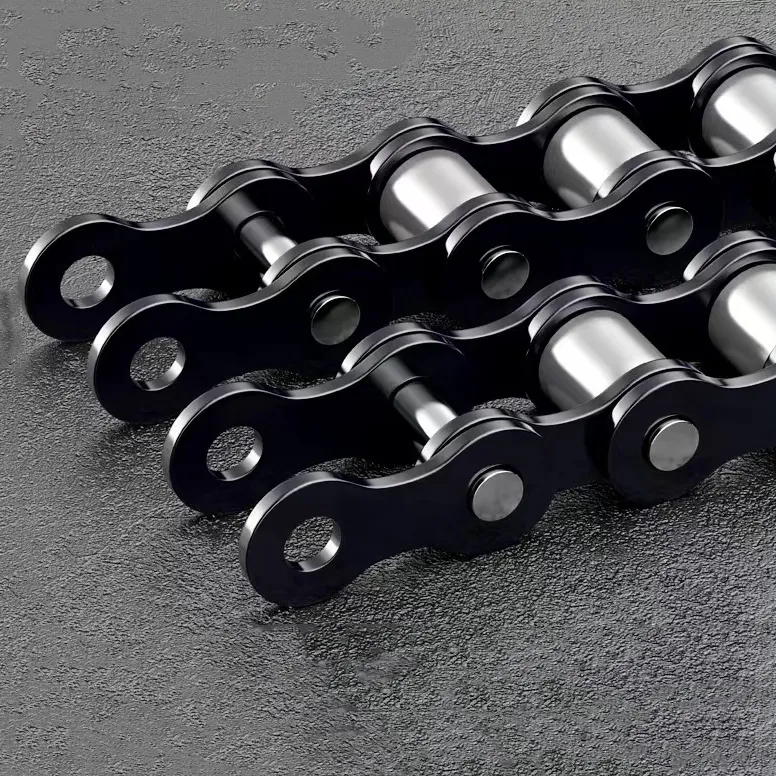
Can roller chains be used for power transmission in mining equipment?
Yes, roller chains can be used for power transmission in mining equipment. Here’s a detailed answer to the question:
Mining equipment often requires robust and reliable power transmission systems to handle the demanding conditions and heavy loads encountered in mining operations. Roller chains have proven to be a suitable choice for power transmission in mining equipment due to their various advantages:
1. High Strength and Durability: Roller chains are designed to withstand high loads and provide reliable power transmission in challenging environments. They are made from high-strength materials such as alloy steel, which enables them to handle the heavy loads typically encountered in mining applications.
2. Resistance to Shock and Impact: Mining equipment often operates in rugged environments with frequent shock and impact loads. Roller chains are engineered to handle such conditions and can withstand the sudden changes in load and direction without compromising their performance or integrity.
3. Flexibility and Adaptability: Roller chains have inherent flexibility, allowing them to accommodate misalignment and angular movement between sprockets. This flexibility helps to ensure smooth and efficient power transmission even in applications where slight misalignments may occur due to the nature of the mining equipment.
4. Resistance to Contaminants: Mining environments can be dusty and contain abrasive particles. Roller chains are designed to resist contamination and maintain their performance even in dirty and harsh conditions. Proper sealing and lubrication can further enhance their resistance to contaminants.
5. Easy Maintenance and Replacement: Roller chains are relatively easy to maintain and replace. Regular inspection, lubrication, and tension adjustment can help ensure optimal performance and extend the lifespan of the chain. In case of wear or damage, individual chain links can be replaced without the need for replacing the entire chain, making maintenance more cost-effective.
It’s important to note that when using roller chains in mining equipment, proper selection, installation, and maintenance are crucial. Working with reputable suppliers and following recommended guidelines for chain selection, lubrication, and tensioning can help maximize the performance and longevity of the roller chain system in mining applications.
How do roller chains compare to belt drives in terms of efficiency?
Roller chains and belt drives are both widely used power transmission systems, but they differ in terms of efficiency. Here’s a detailed answer to the question:
1. Mechanical Efficiency: Roller chains generally have higher mechanical efficiency compared to belt drives. The engagement between the chain and sprockets provides a positive drive with minimal slippage, resulting in efficient power transfer. Belt drives, on the other hand, can experience some slip, especially in high-torque or heavy-load applications, leading to lower efficiency.
2. Size and Length: Roller chains are typically more compact and have a shorter pitch length compared to belt drives. This allows for more compact machine design and closer shaft spacing, reducing the overall size and weight of the power transmission system.
3. Load Capacity: Roller chains are known for their high load-carrying capacity, making them suitable for heavy-duty applications. They can handle high loads and transmit significant amounts of power without compromising performance. Belt drives have lower load-carrying capacity and are more commonly used in lighter-duty applications.
4. Speed and Torque: Roller chains are suitable for both high-speed and high-torque applications. They can operate at high rotational speeds while transmitting significant torque. Belt drives, on the other hand, may have limitations in terms of speed and torque capacity, especially in demanding applications.
5. Maintenance and Durability: Roller chains require regular lubrication and maintenance to ensure optimal performance and longevity. Belt drives, on the other hand, are generally considered maintenance-free. However, if a belt drive becomes misaligned or experiences excessive wear, it may need to be replaced entirely. Roller chains, with proper maintenance, can be more durable and have longer service life.
It’s important to note that the choice between roller chains and belt drives depends on various factors, including the specific application requirements, load conditions, speed requirements, and space constraints. Each system has its advantages and considerations, and selecting the most suitable option should be based on a careful evaluation of these factors.


editor by CX 2024-04-09