
Product Description
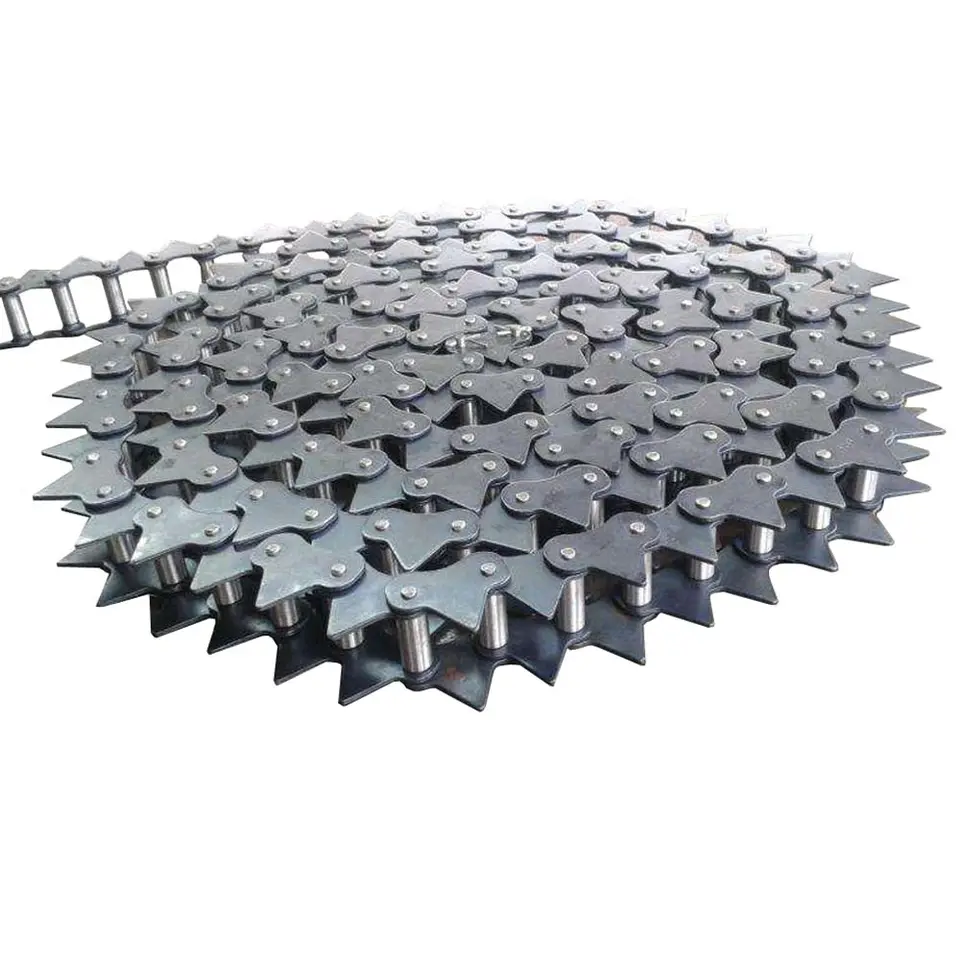
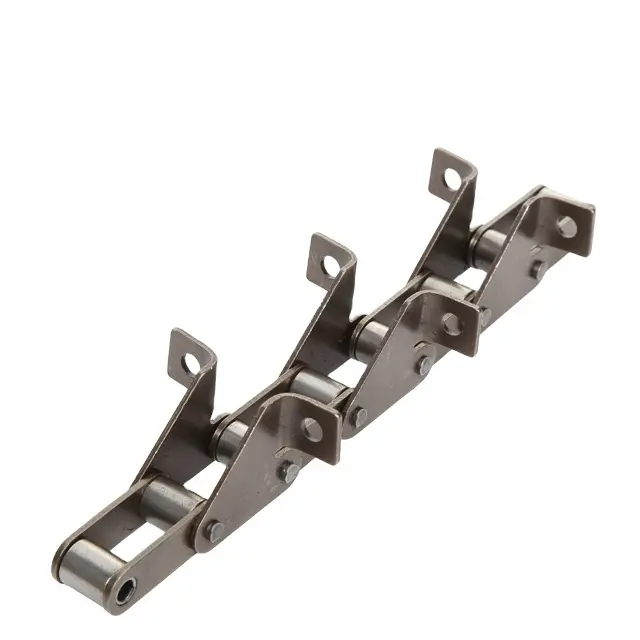
Engineering Industrial Machinery Agricultural Conveyor Chain
Product Description
1. Material: Alloy steel & Stainless steel
2. Surface treatment: Shot peening / Zinc-plated / Nickel-plated / Dacromet-plated
3. Characteristic: Chain plate hole finally passed ball extrusion to ensure maximum fatigue resistance, parts of shot peening treatment makes the chain and the sleeve has a higher fatigue strength.
| Materials Available | 1. Stainless Steel: SS304, SS316, etc |
| 2. Alloy Steel: 45Mn, 42CrMo, etc | |
| 3. OEM according to your request | |
| Surface Treatment | Shot peening, Polishing, Oxygenation, Blackening, Zinc-plated, Nickel-plated, Anodized, etc. |
| Characteristic | Fire Resistant, Oil Resistant, Heat Resistant |
| Application | Agricultural machine |
| Design criterion | ISO DIN ANSI & Customer’s Drawing |
| Size | Customer’s Drawing & ISO standard |
| Package | Wooden Case / Container and pallet, or made-to-order |
| Certificate | ISO9001: 2008 |
| Advantage | First quality, best service, competitive price, fast delivery |
| Delivery Time | 20 days for samples. 45 days for official order. |
Detailed Photos
View more products,please click here…
Company Profile
| Material: | Alloy/Carbon Steel |
|---|---|
| Sample: | for Free |
| Transport Package: | Plastic Bag+Carton Box+Plywood Case |
| Specification: | S55K1, S62A2K1 |
| Trademark: | made-to-order |
| Origin: | China |
| Samples: |
US$ 0/Meter
1 Meter(Min.Order) | |
|---|
| Customization: |
Available
| Customized Request |
|---|
What are the benefits of using corrosion-resistant agricultural chains?
Corrosion-resistant agricultural chains offer several advantages in agricultural applications, especially in environments where exposure to moisture, chemicals, and other corrosive elements is common. Here are the key benefits of using corrosion-resistant agricultural chains:
- Longevity: Corrosion-resistant chains are designed to withstand the damaging effects of rust and corrosion, which can significantly extend the chain’s lifespan. This longevity reduces the frequency of chain replacements, leading to cost savings and less downtime for maintenance.
- Reliability: Chains that are resistant to corrosion maintain their structural integrity over time, ensuring consistent performance in demanding agricultural operations. They are less prone to breakage or failure, enhancing the reliability of equipment and machinery.
- Enhanced Performance: Agricultural chains with corrosion-resistant properties deliver optimal performance, even in harsh and corrosive environments. They provide smooth and efficient operation, contributing to improved productivity and overall efficiency.
- Low Maintenance: Corrosion-resistant chains require less maintenance compared to standard chains. They are better equipped to handle outdoor and high-moisture conditions, reducing the need for frequent lubrication and cleaning.
- Protection of Grains and Produce: In applications where agricultural chains come into direct contact with grains or produce, corrosion-resistant coatings prevent the risk of contamination, ensuring the quality and safety of the harvested crops.
- Cost-Effectiveness: While corrosion-resistant chains may have a slightly higher upfront cost, their extended lifespan and reduced maintenance needs make them a cost-effective choice in the long run.
- Environmental Adaptability: Corrosion-resistant chains are suitable for various agricultural settings, including outdoor grain storage, poultry and livestock farming, irrigation systems, and more. They can withstand exposure to rain, humidity, and other environmental factors.
Overall, the use of corrosion-resistant agricultural chains offers improved performance, reduced maintenance, and enhanced durability in corrosive agricultural environments. These chains contribute to the smooth and reliable operation of agricultural machinery, ensuring that farming processes continue efficiently and with minimal disruptions.
Can agricultural chains be used in both tractors and harvesting equipment?
Yes, agricultural chains can be used in both tractors and harvesting equipment. Agricultural chains are versatile and commonly employed in various types of farming machinery, including tractors and harvesting equipment. Here’s how they are utilized in these applications:
- Tractors: Agricultural chains are used in tractors for various purposes. They are an integral part of the power transmission system, transferring torque from the engine to the wheels and other working components. The chains enable tractors to perform essential functions such as plowing, tilling, planting, and towing. They provide the necessary strength and durability to handle the demanding tasks encountered in agricultural operations.
- Harvesting Equipment: In harvesting equipment, agricultural chains play a crucial role in driving key components, such as the harvesting head, conveyor belts, and augers. These chains ensure smooth and reliable operation during the harvesting process. For example, in combine harvesters, the chains are used to drive the header, threshing drum, and other vital parts, contributing to efficient crop harvesting.
Overall, agricultural chains are well-suited for the challenging conditions found in both tractors and harvesting equipment. Their robust construction, high load-carrying capacity, and resistance to wear make them indispensable components for achieving productivity and performance in modern farming practices.
Can agricultural chains withstand the demanding conditions of farming operations?
Yes, agricultural chains are designed and built to withstand the demanding conditions of farming operations. These chains are specifically engineered to handle the tough and challenging environments that are common in agriculture. Some of the reasons why agricultural chains can withstand these conditions include:
- High-Quality Materials: Agricultural chains are typically made from high-quality materials such as carbon steel, stainless steel, or alloy steel. These materials offer excellent strength, durability, and resistance to wear, making them suitable for heavy-duty applications.
- Robust Construction: The construction of agricultural chains involves precision engineering and heat treatment processes, which enhance their strength and toughness. This ensures that the chains can withstand the high loads and stresses encountered in farming equipment.
- Corrosion Resistance: Farming operations often involve exposure to moisture, dirt, and chemicals, which can lead to corrosion. Agricultural chains are designed with corrosion-resistant coatings or materials to protect against rust and deterioration.
- Proper Lubrication: Adequate lubrication is essential for the smooth operation and longevity of agricultural chains. Many agricultural chains come with lubrication holes or grooves to facilitate proper lubrication and reduce friction.
- Compatibility: Agricultural chains are designed to be compatible with the sprockets, gears, and other components in farming equipment, ensuring reliable performance and efficient power transmission.
- Regular Maintenance: Like any mechanical component, agricultural chains require regular maintenance to ensure optimal performance and longevity. Proper maintenance practices, including lubrication, cleaning, and inspection, can help extend the life of the chain.
Overall, agricultural chains are built to be rugged and durable, capable of withstanding the harsh conditions of farming operations. When properly selected, installed, and maintained, these chains play a crucial role in the reliable and efficient functioning of various agricultural machinery and equipment.


editor by CX 2023-10-19