
Product Description
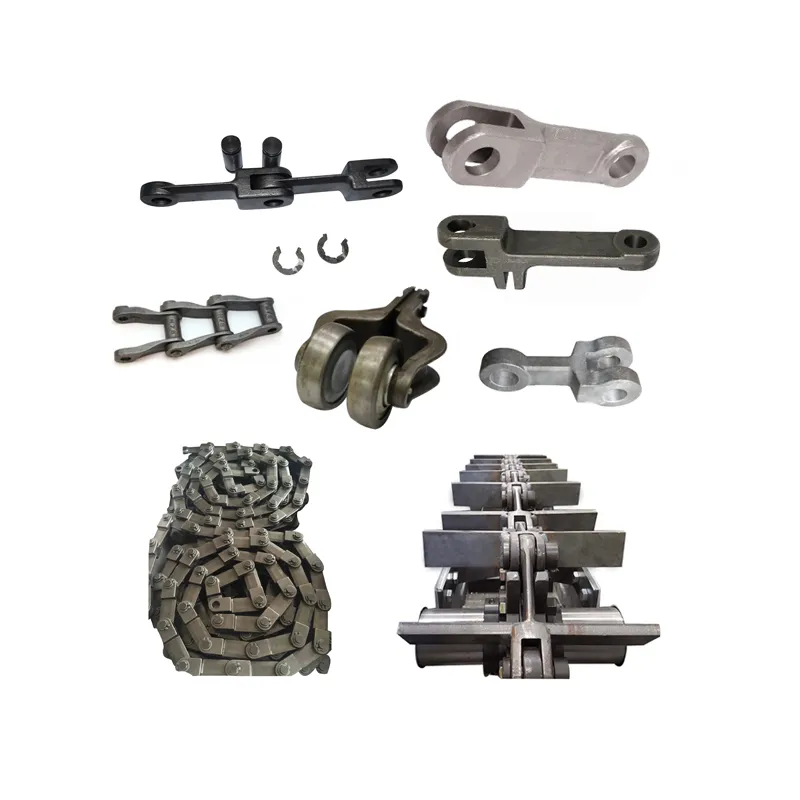
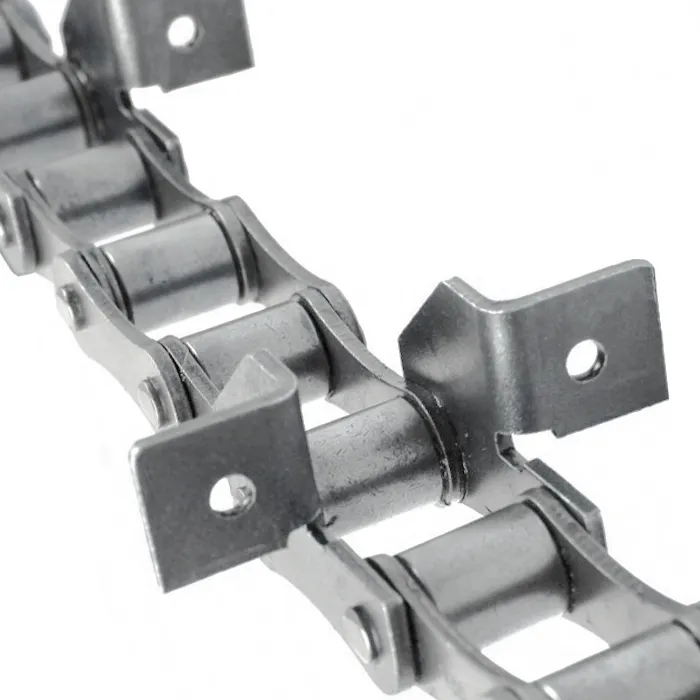
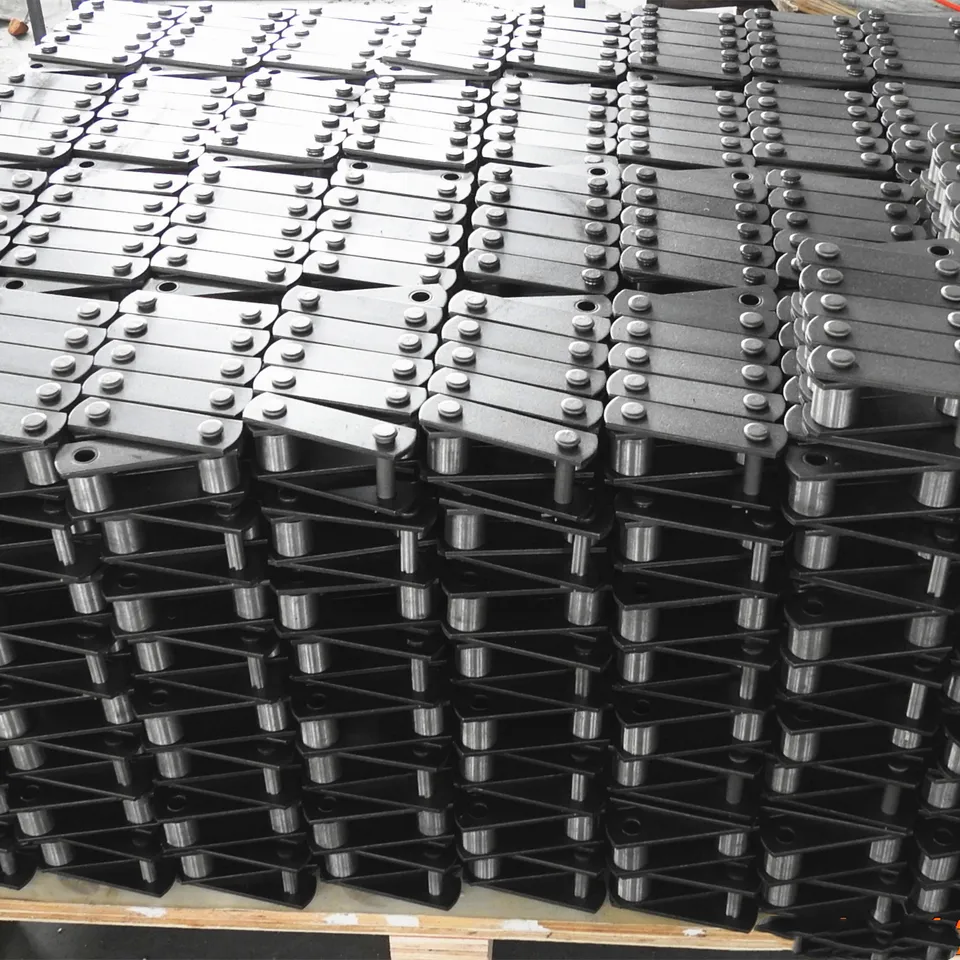
Harvester Chains of Carton Steel (415S)
PRODUCT SHOW
PRODUCT DETAILS
Product Parameters
| Standard | GB, ISO, ANSI, DIN |
| Type | Standard A and standard B precision roller chain, conveyor chain; |
| special chain with accessories, welding chain, leaf chain and sprocket | |
| ANSI chain No. | 40,50,60,80,100,120,140,160,180,200,240; |
| C40,C50,C60,C80,C100,C120,C140,C160; | |
| DIN/ISO chain No. | 08A,10A,12A,16A,20A,24A,28A,32A,36A,40A,48A; |
| C08A,C10A,C12A,C16A,C20A,C24A,C28A,C32A; | |
| Application | Food processing, pharmaceutical and chemical industries, electronics, machinery; |
| household appliances, automotive manufacturing, metallurgy, sewage treatment | |
| Series | A series, B series |
More Products
Advantage
Certifications
DETAILS ABOUT CHINAMFG CHAIN
Exhibition
Workshop
Application
Packaging Details
Shipping
FAQ
1. Are you a manufacturer or trade Company?
We are a factory founded in 1997 with a trade team for international service.
2. What terms of payment do you usually use?
T/T 30% deposit and 70% against document, Western Union, L/C at sight
3. What is your lead time for your goods?
Normally 35 days after confirmed order. 30 days could be available in the low season for some items (during May to July), and 45 days during the new year and hot season ( Jan to March).
4. Samples
For customers who need sample confirmation before ordering, please bear in mind that the following policy will be adopted:
1) All samples are free of charge with a maximum value not exceeding USD 100.
2) The courier cost for the first-time sample sending will be charged by the consignee. We will send the samples with freight to be collected. So please inform your account with FedEx, UPS, DHL, or TNT so that we can proceed promptly.
3) The first-time courier cost will be totally deducted from the contract value of the trial cooperation.
/* March 10, 2571 17:59:20 */!function(){function s(e,r){var a,o={};try{e&&e.split(“,”).forEach(function(e,t){e&&(a=e.match(/(.*?):(.*)$/))&&1
| Usage: | Transmission Chain, Conveyor Chain, Agricultural Machine |
|---|---|
| Material: | Alloy/Carbon Steel |
| Surface Treatment: | Polishing |
| Feature: | Heat Resistant |
| Chain Size: | All Sizes |
| Structure: | Agricultural Machine |
| Customization: |
Available
| Customized Request |
|---|
Can agricultural chains be used in hydroponics and vertical farming systems?
Yes, agricultural chains can be used in hydroponics and vertical farming systems to facilitate various processes and functions within these innovative farming methods.
In hydroponics, which is a soilless method of cultivating plants, agricultural chains are employed in systems such as:
- Nutrient Delivery: Agricultural chains are utilized to transport nutrient solutions to the plant roots in hydroponic setups, ensuring that plants receive the necessary minerals and water for their growth.
- Vertical Grow Systems: In vertical farming, where plants are grown in stacked layers or vertical towers, agricultural chains play a critical role in moving the platforms or shelves that hold the plants, allowing for efficient space utilization and easy access for maintenance.
- Conveyor Systems: Agricultural chains are used in conveyor systems to transport plants, seedlings, or harvested crops within the hydroponic facility, streamlining the production process.
- Irrigation: Chains can be part of automated irrigation systems that deliver water to the plants at regular intervals, ensuring precise and consistent hydration.
Vertical farming, on the other hand, relies on controlled environments and artificial lighting to optimize plant growth in limited spaces. Agricultural chains are integral to this farming method for the following reasons:
- Automated Systems: Chains are used in automated setups that move plant trays or containers, allowing each plant to receive an appropriate amount of light, water, and nutrients.
- Space Efficiency: Agricultural chains enable vertical farming systems to maximize space utilization, making them particularly suitable for urban environments and areas with limited land availability.
- Plant Positioning: Chains help position plants at optimal angles to receive the most sunlight or artificial light, promoting uniform growth and consistent yields.
Overall, agricultural chains play a vital role in hydroponics and vertical farming, contributing to increased efficiency, precise nutrient delivery, and the ability to grow crops in non-traditional settings. These advanced farming systems leverage the benefits of agricultural chains to meet the demands of sustainable and high-yield crop production for the future.
How do agricultural chains handle heavy loads and high torque requirements?
Agricultural chains are designed to handle heavy loads and high torque requirements commonly encountered in farming machinery. Here’s how they achieve this:
- High-Quality Materials: Agricultural chains are typically made from high-quality alloy steels that offer excellent tensile strength, toughness, and resistance to wear. These materials can withstand the stress and strain of heavy loads and high torque, ensuring the chain’s integrity under demanding conditions.
- Robust Design: The design of agricultural chains includes precision engineering to ensure optimal load distribution and efficient power transmission. The components are manufactured to specific dimensions, allowing them to mesh smoothly with sprockets and transmit torque effectively.
- Large Contact Areas: Agricultural chains often have large contact areas with sprocket teeth, which helps distribute the load more evenly, reducing stress concentration on individual components. This design feature enhances the chain’s ability to handle heavy loads and torque.
- Heat Treatment: Many agricultural chains undergo heat treatment processes like carburizing or induction hardening. These treatments improve the chain’s surface hardness, wear resistance, and fatigue strength, making it more capable of handling heavy loads and high torque without premature failure.
- Preloading and Lubrication: Proper preloading of the chain during assembly and regular lubrication are essential to reduce friction and wear. Adequate lubrication also helps dissipate heat generated during operation, preventing excessive wear and elongation of the chain under heavy loads.
- Regular Maintenance: Regular maintenance and inspection are vital to ensuring that agricultural chains remain in optimal condition. Periodic checks for signs of wear, proper tension, and lubrication help prevent unexpected failures and extend the chain’s service life.
In conclusion, agricultural chains are built with robust materials, precise design, and appropriate treatments to handle heavy loads and high torque requirements effectively. When used and maintained correctly, they contribute to the reliable and efficient operation of various farming equipment.
Can agricultural chains be used in different weather and climate conditions?
Yes, agricultural chains are designed to withstand a variety of weather and climate conditions commonly encountered in farming operations. These chains are built to be durable and reliable, making them suitable for use in diverse environments. Here are some considerations:
- Hot and Dry Conditions: Agricultural chains can handle high temperatures and dry conditions commonly found in arid regions. Proper lubrication and maintenance are essential to prevent heat-related issues.
- Cold and Freezing Conditions: In colder climates, agricultural chains can still function effectively with appropriate lubrication to prevent freezing and reduce wear.
- Wet and Humid Conditions: Chains designed for agricultural use are often coated or made from materials that resist corrosion and rust, making them suitable for wet and humid environments.
- Chemical Exposure: Some farming practices involve exposure to chemicals and fertilizers. Agricultural chains may have protective coatings or materials to withstand such exposure.
- Extreme Weather Events: While agricultural chains can handle typical weather conditions, extreme events like hurricanes or floods may require temporary precautions or special protection.
Manufacturers consider these factors during the design and production of agricultural chains, ensuring they perform reliably in various weather and climate conditions. However, proper maintenance and adherence to manufacturer guidelines are crucial to maintaining the chains’ functionality and longevity.


editor by CX 2024-01-05