
Product Description
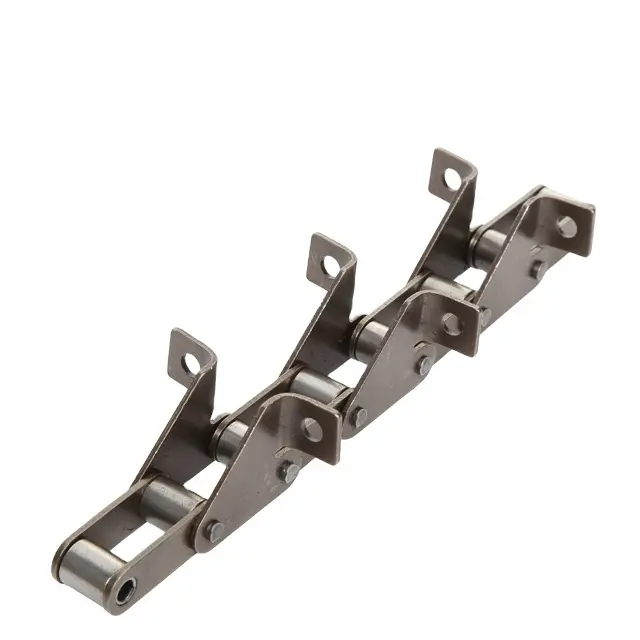
Agricultural Competitive Price Heavy Duty Stainless Steel Chain with Attachment
Product Description
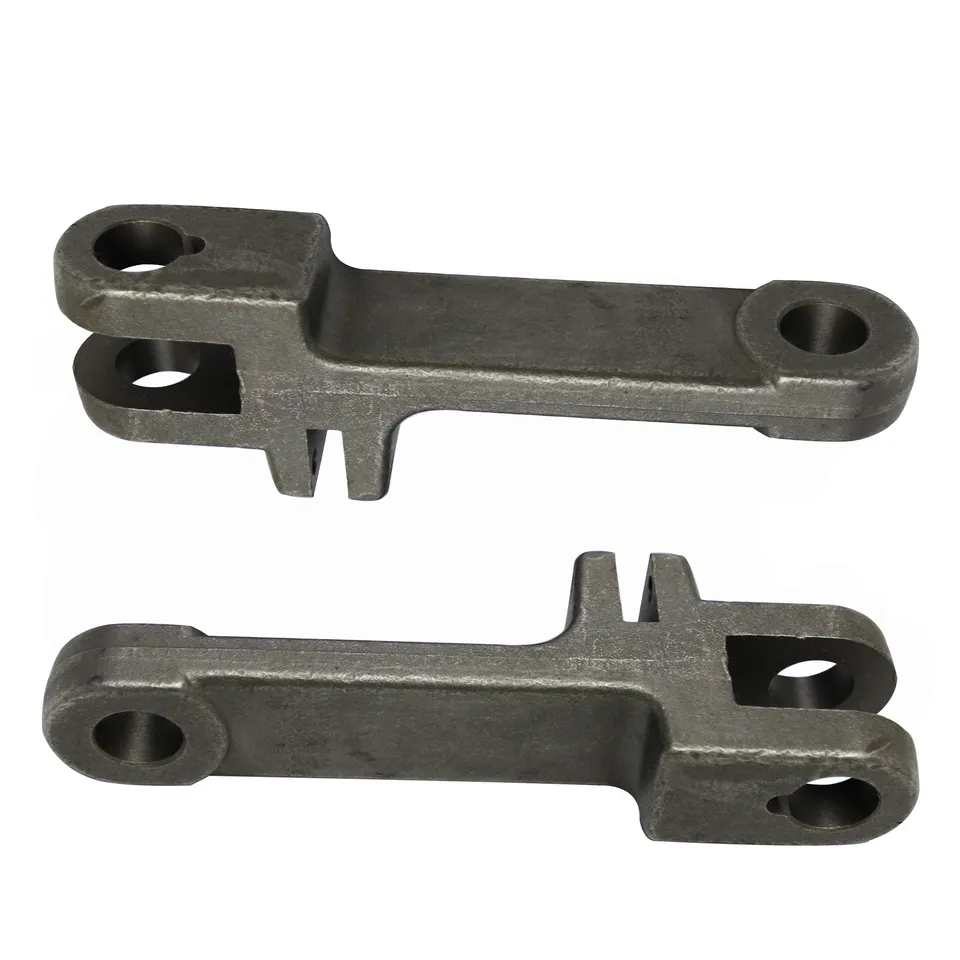
1. Material: Alloy steel & Stainless steel
2. Surface treatment: Shot peening / Zinc-plated / Nickel-plated / Dacromet-plated
3. Characteristic: Chain plate hole finally passed ball extrusion to ensure maximum fatigue resistance, parts of shot peening treatment makes the chain and the sleeve has a higher fatigue strength.
| Materials Available | 1. Stainless Steel: SS304, SS316, etc |
| 2. Alloy Steel: 45Mn, 42CrMo, etc | |
| 3. OEM according to your request | |
| Surface Treatment | Shot peening, Polishing, Oxygenation, Blackening, Zinc-plated, Nickel-plated, Anodized, etc. |
| Characteristic | Fire Resistant, Oil Resistant, Heat Resistant |
| Application | Agricultural machine |
| Design criterion | ISO DIN ANSI & Customer’s Drawing |
| Size | Customer’s Drawing & ISO standard |
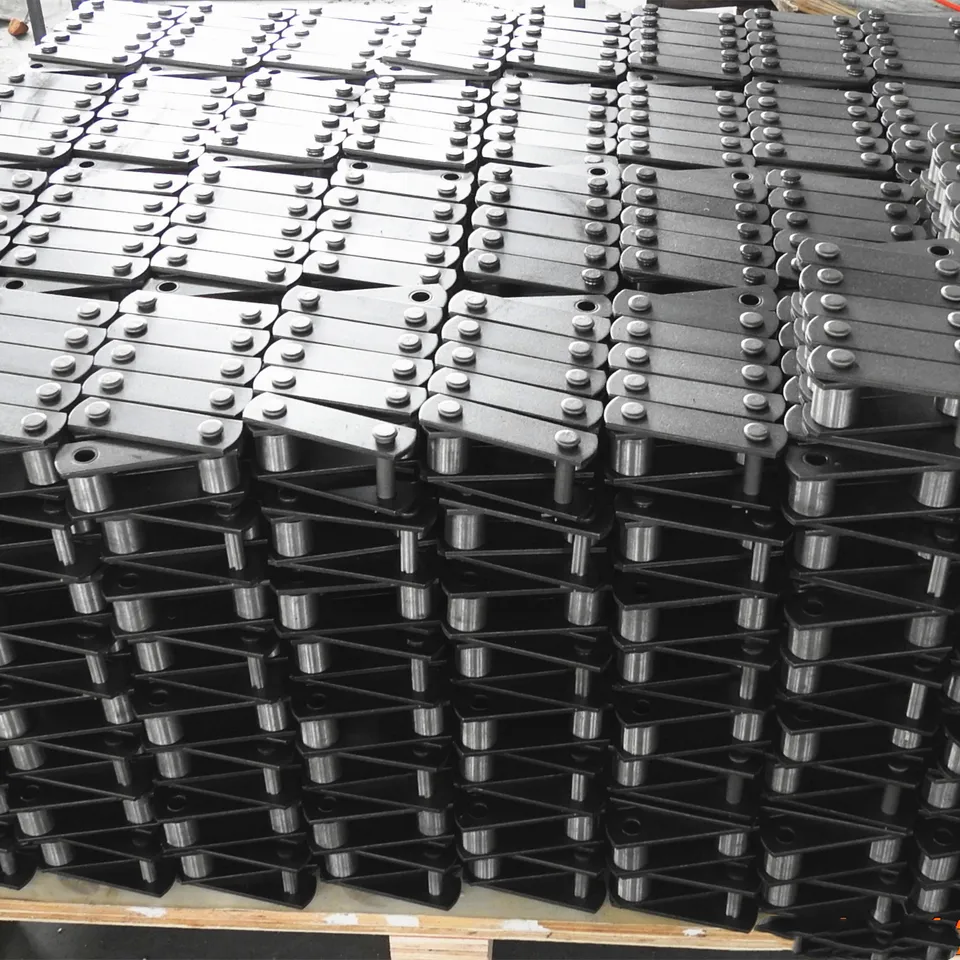
| Package | Wooden Case / Container and pallet, or made-to-order |
| Certificate | ISO9001: 2008 |
| Advantage | First quality, best service, competitive price, fast delivery |
| Delivery Time | 20 days for samples. 45 days for official order. |
Detailed Photos
View more products,please click here…
Company Profile
| Material: | Alloy/Carbon Steel |
|---|---|
| Sample: | for Free |
| Transport Package: | Plastic Bag+Carton Box+Plywood Case |
| Specification: | S55K1, S62A2K1 |
| Trademark: | made-to-order |
| Origin: | China |
| Samples: |
US$ 0/Meter
1 Meter(Min.Order) | |
|---|
| Customization: |
Available
| Customized Request |
|---|
What are the factors to consider when selecting the right agricultural chain pitch?
Choosing the appropriate agricultural chain pitch is crucial to ensure optimal performance and longevity in farming equipment. Several factors should be taken into account when making this selection:
- Application Requirements: Understand the specific requirements of the agricultural application in which the chain will be used. Consider factors such as the type of equipment, load capacity, and the frequency of use.
- Power Transmission: Determine the power transmission needs of the machinery. Higher horsepower or torque requirements may call for a larger chain pitch to handle the increased load.
- Speed: Consider the operating speed of the agricultural equipment. Higher speeds may require smaller chain pitches to ensure smooth operation and reduced wear.
- Working Conditions: Evaluate the environmental conditions in which the chain will operate. Dust, dirt, moisture, and other contaminants can impact chain performance and durability.
- Load Distribution: Analyze how the load is distributed across the chain. Uniform load distribution is essential for preventing premature wear and maintaining the integrity of the chain.
- Maintenance: Factor in the maintenance requirements of the chain pitch. Smaller pitches might require more frequent lubrication and inspection, while larger pitches may offer more tolerance to contamination.
- Compatibility: Ensure that the selected chain pitch is compatible with the sprockets and other components in the agricultural machinery.
- Cost-Effectiveness: Strike a balance between the initial cost of the chain and its expected lifespan. Choosing a high-quality chain that meets the application needs can lead to cost savings in the long run.
By considering these factors, farmers and equipment operators can make an informed decision when selecting the right agricultural chain pitch. Properly matching the chain to the specific application and operational requirements will contribute to enhanced equipment performance, reduced downtime, and increased overall productivity in farming operations.
How do agricultural chains handle side loads and lateral forces?
Agricultural chains are designed to handle various forces and loads encountered in farming equipment, including side loads and lateral forces. These chains are built to be robust and durable, capable of withstanding the demanding conditions present in agricultural applications. Here’s how agricultural chains handle side loads and lateral forces:
- High-Strength Materials: Agricultural chains are constructed using high-strength materials, such as alloy steel, which provides excellent tensile and fatigue strength. These materials enable the chains to endure lateral forces without deformation or failure.
- Advanced Engineering: The design and engineering of agricultural chains take into account the expected forces and loads in farming operations. The links and components are precisely engineered to distribute loads evenly and prevent stress concentration points.
- Side Bow Chain: Some agricultural chains, like the “side bow chain” or “side flex chain,” are specifically designed to handle side loads and bending forces. These chains feature special link shapes that allow for lateral movement, accommodating side loads without compromising the chain’s integrity.
- Proper Alignment: Ensuring proper alignment of the chain and sprockets is essential to minimize side loads and lateral forces. Misalignment can increase stress on the chain, leading to premature wear and potential failure.
- Lubrication: Regular lubrication of agricultural chains is vital to reduce friction and wear, especially when subjected to side loads. Proper lubrication helps maintain smooth operation and extends the chain’s service life.
- Maintenance: Regular maintenance and inspection of agricultural chains allow for early detection of wear or damage caused by side loads. Replacing worn-out or damaged components promptly helps prevent chain failure.
By employing these design features and maintenance practices, agricultural chains can effectively handle side loads and lateral forces, ensuring reliable and safe operation in farming equipment.
What materials are commonly used in manufacturing agricultural chains?
Agricultural chains are manufactured using various materials, each offering specific characteristics suitable for different farming applications. The most commonly used materials include:
- Carbon Steel: Carbon steel is a widely used material for agricultural chains due to its excellent strength, durability, and affordability. It is suitable for general-purpose chains used in many agricultural applications.
- Alloy Steel: Alloy steel chains are made by adding alloying elements to carbon steel, enhancing their strength and toughness. These chains are ideal for heavy-duty applications that require increased load-bearing capacity.
- Stainless Steel: Stainless steel chains are corrosion-resistant and maintain their strength and appearance even in harsh environments. They are commonly used in applications where resistance to rust and chemicals is essential, such as in poultry and food processing equipment.
- Plastic and Polymer: Some agricultural chains are made of plastic or polymer materials, which offer benefits like low friction, lightweight, and corrosion resistance. They are used in applications where noise reduction and low maintenance are priorities.
- Galvanized Steel: Galvanized chains are coated with a layer of zinc, providing additional protection against corrosion. They are suitable for outdoor applications exposed to moisture and agricultural chemicals.
The choice of material depends on factors such as the specific agricultural application, the operating environment, required strength, and budget considerations. Manufacturers select the appropriate material to ensure that the agricultural chains can withstand the demanding conditions of farming operations and contribute to the overall efficiency and productivity of the equipment.


editor by CX 2023-11-20