
Product Description
Stainless Steel Short Pitch Conveyor Chain With Extended Pin Short Pitch Precision Roller Chain(A series) transmission parts
We supply SS304 And SS316 Stainless Steel Conveyor Chain,Stainless Steel Conveyor Chain for Sewage, Sewage Conveyor Chain, Double conveyor chain, double pitch conveyor chain, double chain conveyor, SS conveyor chain, stainless steel conveyor chain, SS304 conveyor chain, SS316 conveyor chain, SS316L conveyor chain, sewage treatment conveyor chain, sewage disposal system chain, sewage disposal system conveyor chain, sewage treatment machine chain, sewage treatment machine conveyor chain, sewage treatment machine drive chain, sewage disposal machine chain, sewage disposal machine conveyor chain, sewage disposal machine drive chain, sewage treatment plant conveyor chain, sewage treatment plant drive chain, sewage treatment equipment conveyor chain, sewage treatment equipment drive chain
We export standard chain and also special chain as per your drawing or sample
Our stainless steel chain include:
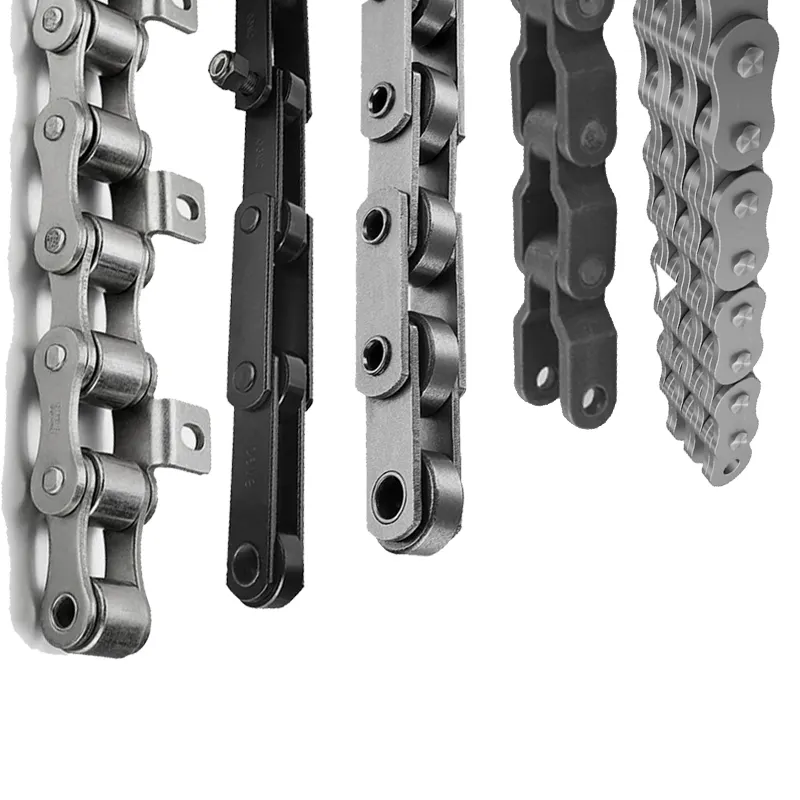
1) Stainless steel roller chains
2) Short pitch stainless steel conveyor chain attachments
3) Double pitch stainless steel conveyor chains
4) Double pitch stainless steel conveyor chain attachments
5) Stainless steel hollow pin chains
6) Special chain as per your drawing or sample
Material: SS202, SS302, SS410, SS304, SS316, SS316L and so on
Our chain plate have special treatment and so hardness high and straightness high and tensile strength higher. We produce for famous chain factory in Europe, our quality is high, if you choose us, you choose reliable
HangZhou CHINAMFG Industry Co., Ltd. is a specialized supplier of a full range of chains, sprockets, gears, gear racks, v belt pulley, timing pulley, V-belts, couplings, machined parts and so on.
Due to our CHINAMFG in offering best service to our clients, understanding of your needs and overriding sense of responsibility toward filling ordering requirements, we have obtained the trust of buyers worldwide. Having accumulated precious experience in cooperating with foreign customers, our products are selling well in the American, European, South American and Asian markets.Our products are manufactured by modern computerized machinery and equipment. Meanwhile, our products are manufactured according to high quality standards, and complying with the international advanced standard criteria.
With many years’ experience in this line, we will be trusted by our advantages in competitive price, one-time delivery, prompt response, on-hand engineering support and good after-sales services.
Additionally, all our production procedures are in compliance with ISO9001 standards. We also can design and make non-standard products to meet customers’ special requirements. Quality and credit are the bases that make a corporation alive. We will provide best services and high quality products with all sincerity. If you need any information or samples, please contact us and you will have our soon reply.
/* January 22, 2571 19:08:37 */!function(){function s(e,r){var a,o={};try{e&&e.split(“,”).forEach(function(e,t){e&&(a=e.match(/(.*?):(.*)$/))&&1
| Usage: | Conveyor Chain |
|---|---|
| Material: | Stainless steel |
| Surface Treatment: | No |
| Customization: |
Available
| Customized Request |
|---|
.shipping-cost-tm .tm-status-off{background: none;padding:0;color: #1470cc}
| Shipping Cost:
Estimated freight per unit. |
about shipping cost and estimated delivery time. |
|---|
| Payment Method: |
|
|---|---|
|
Initial Payment Full Payment |
| Currency: | US$ |
|---|
| Return&refunds: | You can apply for a refund up to 30 days after receipt of the products. |
|---|
What are the noise and vibration characteristics of roller chains?
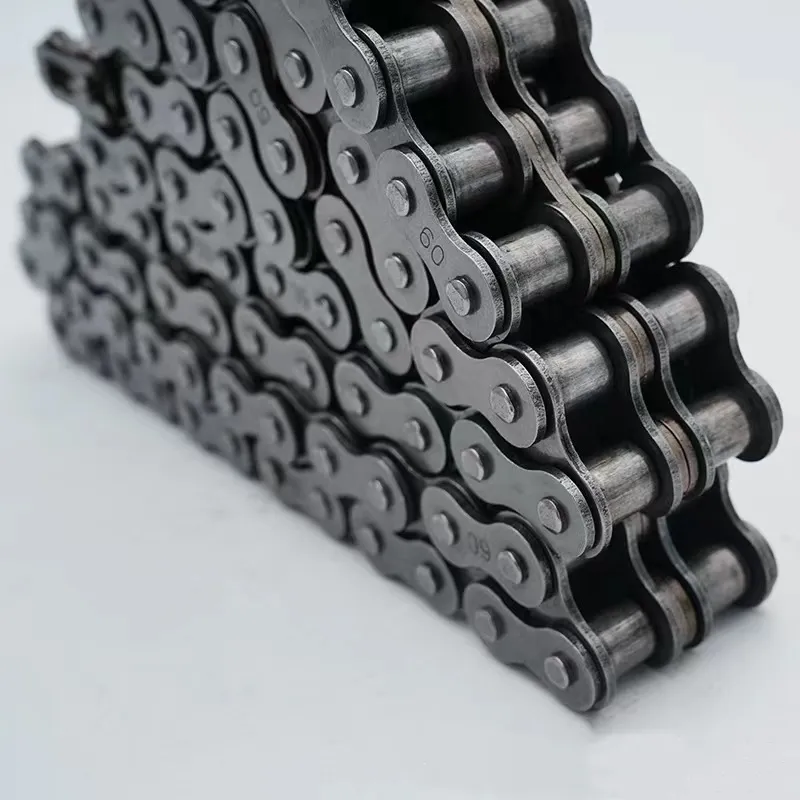
Roller chains exhibit specific noise and vibration characteristics during operation. Here’s a detailed answer to the question:
1. Noise Generation: Roller chains can produce noise during operation, especially when operating under certain conditions. The primary sources of noise in roller chains include the interaction between the chain and the sprockets, as well as the impact between the chain pins and the chain guide. The noise level can vary depending on factors such as chain speed, tension, lubrication, alignment, and wear.
2. Vibration: Roller chains can also generate vibrations during operation. These vibrations can be caused by various factors, including the chain’s interaction with the sprockets, chain tension, misalignment, and uneven wear. Excessive vibration can affect the performance and lifespan of the chain and other components in the system. It is important to minimize vibration to ensure smooth and reliable operation.
3. Noise and Vibration Reduction Measures: To mitigate noise and vibration in roller chain systems, several measures can be taken:
- Proper Lubrication: Adequate lubrication reduces friction between the chain and the sprockets, minimizing noise and vibration caused by metal-to-metal contact.
- Alignment and Tension: Ensuring proper alignment and tension of the chain helps to reduce noise and vibration. Misalignment or incorrect tension can lead to increased noise and vibration levels.
- Sprocket Design: The design and condition of the sprockets can affect noise and vibration. Sprockets with worn or damaged teeth can cause increased noise and vibration levels.
- Noise Dampening Elements: Adding noise dampening elements, such as rubber pads or guides, can help reduce the noise generated by the chain’s impact with the chain guides or other components.
- System Design: The overall system design, including the selection of compatible components and proper installation, can contribute to minimizing noise and vibration levels.
It’s important to regularly inspect and maintain the roller chain system to identify and address any sources of noise or excessive vibration. Proper lubrication, alignment, tensioning, and regular replacement of worn components are essential to ensure optimal performance, reduce noise, and minimize vibration in roller chain applications.
Can roller chains be used for power transmission in agricultural vehicles?
Yes, roller chains are commonly used for power transmission in agricultural vehicles. These vehicles often require reliable and robust power transmission systems to handle the demanding tasks in agricultural operations. Roller chains offer several advantages that make them suitable for such applications. Here’s a detailed answer to the question:
1. High Strength and Durability: Agricultural vehicles operate in rugged environments and encounter heavy loads. Roller chains are known for their high strength and durability, allowing them to withstand the demanding conditions found in agricultural settings. They can handle the power transmission requirements of vehicles used for tasks like plowing, tilling, harvesting, and hauling.
2. Wide Range of Speeds: Agricultural vehicles often operate at various speeds depending on the task at hand. Roller chains can accommodate a wide range of speeds, allowing them to efficiently transmit power even during speed variations. They can handle both low-speed applications, such as crawling through fields, and higher-speed applications, such as transporting crops.
3. Adaptability to Misalignment: Agricultural vehicles may encounter uneven terrain and experience misalignment between the driving and driven components. Roller chains can tolerate a certain degree of misalignment, allowing them to function effectively even in challenging conditions. However, proper alignment should still be maintained to optimize chain performance and longevity.
4. Resistance to Contaminants: Agricultural environments often involve dust, dirt, and debris. Roller chains are designed to operate in such conditions and have inherent resistance to contaminants. They can continue to function reliably even in dusty or dirty environments, reducing the need for frequent cleaning and maintenance.
5. Easy Installation and Maintenance: Roller chains are relatively simple to install and maintain in agricultural vehicles. They can be easily adjusted for proper tension and replaced when necessary. Routine lubrication and inspection help ensure smooth operation and extend the chain’s lifespan.
It’s important to consider the specific requirements of the agricultural vehicle and select the appropriate roller chain based on factors like load capacity, speed range, and environmental conditions. Regular inspection, lubrication, and proper tensioning are essential to ensure optimal performance and longevity of the roller chain in agricultural applications.
What are the common applications of roller chains?
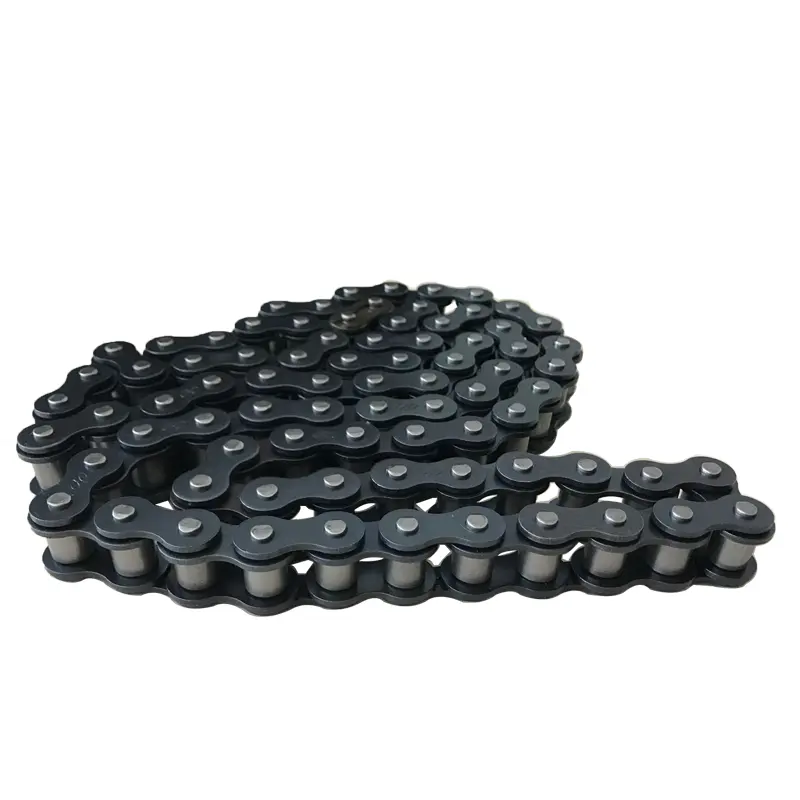
Roller chains are widely used in various industries and applications where reliable power transmission is required. Here’s a detailed answer to the question:
1. Industrial Machinery: Roller chains are commonly used in industrial machinery such as conveyors, material handling equipment, packaging machines, printing presses, textile machinery, and woodworking equipment. They provide efficient and reliable power transmission in these applications.
2. Automotive: Roller chains are used in automotive applications, including engine timing systems, camshaft drives, and drive chains for motorcycles and bicycles. They are known for their strength, durability, and ability to handle high loads and speeds.
3. Agriculture: Roller chains are extensively used in agricultural machinery, including tractors, combine harvesters, hay balers, and crop sprayers. They are capable of transmitting power in harsh and demanding agricultural environments.
4. Construction Equipment: Roller chains find applications in construction machinery such as excavators, bulldozers, cranes, and concrete mixers. They provide reliable power transmission for heavy-duty operations in construction sites.
5. Mining and Quarrying: Roller chains are used in mining and quarrying equipment, including rock crushers, conveyor systems, and drilling rigs. They are designed to withstand heavy loads, abrasive materials, and harsh operating conditions in these industries.
6. Food Processing: Roller chains with food-grade lubricants and corrosion-resistant coatings are used in food processing equipment, including conveyor systems, bottling machines, and bakery equipment. They meet the strict hygiene and safety standards required in the food industry.
7. Material Handling: Roller chains are essential in material handling systems, such as overhead cranes, forklifts, and palletizers. They enable smooth and reliable movement of goods in warehouses, distribution centers, and manufacturing facilities.
8. Power Transmission Systems: Roller chains are employed in power transmission systems that require efficient and precise power delivery, such as power presses, machine tools, and industrial automation equipment.
9. Renewable Energy: Roller chains are used in wind turbines and solar tracking systems to transmit power from the turbine or solar panels to the generator or electrical grid.
10. Marine and Offshore: Roller chains are utilized in marine and offshore applications, including shipbuilding, offshore drilling rigs, and port equipment. They provide reliable power transmission in challenging marine environments.
These are just some of the common applications where roller chains are widely used. The versatility, durability, and reliability of roller chains make them suitable for a wide range of industries and machinery.


editor by CX 2024-04-19