
Product Description
Product Description
Product Parameters
| Standard | GB, ISO, ANSI, DIN |
| Type | Standard A and standard B precision roller chain, conveyor chain; |
| special chain with accessories, welding chain, leaf chain and sprocket | |
| ANSI chain No. | 40,50,60,80,100,120,140,160,180,200,240; |
| C40,C50,C60,C80,C100,C120,C140,C160; | |
| DIN/ISO chain No. | 08A,10A,12A,16A,20A,24A,28A,32A,36A,40A,48A; |
| C08A,C10A,C12A,C16A,C20A,C24A,C28A,C32A; | |
| Application | Food processing, pharmaceutical and chemical industries, electronics, machinery; |
| household appliances, automotive manufacturing, metallurgy, sewage treatment | |
| Series | A series,B series |
More Products
Advantage
Certifications
DETAILS ABOUT CHINAMFG CHAIN
Exhibition
Workshop
Application
Packaging Details
Shipping
FAQ
1. Are you a manufacturer or trade Company?
We are a factory founded in 1997 with a trade team for international service.
2. What terms of payment do you usually use?
T/T 30% deposit and 70% against document, Western Union, L/C at sight
3. What is your lead time for your goods?
Normally 35 days after confirmed order. 30 days could be available in the low season for some items (during May to July), and 45 days during the new year and hot season ( Jan to March).
4. Samples
For customers who need sample confirmation before ordering, please bear in mind that the following policy will be adopted:
1) All samples are free of charge with a maximum value not exceeding USD 100.
2) The courier cost for the first-time sample sending will be charged by the consignee. We will send the samples with freight to be collected. So please inform your account with FedEx, UPS, DHL, or TNT so that we can proceed promptly.
3) The first-time courier cost will be totally deducted from the contract value of the trial cooperation.
4) OEM/ODM are both available.
| Usage: | Transmission Chain, Drag Chain, Conveyor Chain, Dedicated Special Chain |
|---|---|
| Material: | Stainless steel |
| Surface Treatment: | Polishing |
| Feature: | Heat Resistant |
| Chain Size: | 1/2"*11/128" |
| Structure: | Roller Chain |
| Samples: |
US$ 1/Meter
1 Meter(Min.Order) | |
|---|
| Customization: |
Available
| Customized Request |
|---|
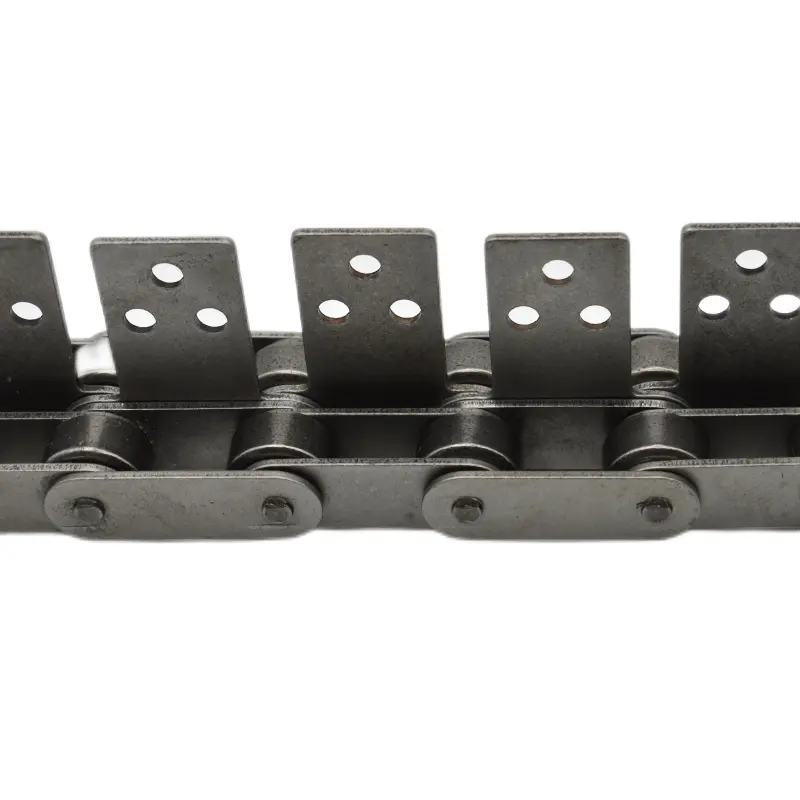
Can agricultural chains be used in forestry and timber harvesting equipment?
Yes, agricultural chains can be used in forestry and timber harvesting equipment for specific applications. While they are primarily designed for agricultural use, their robust construction and ability to handle heavy loads make them suitable for certain tasks in the forestry industry.
In forestry and timber harvesting equipment, agricultural chains are often employed in tasks such as:
- Conveying Logs: Agricultural conveyor chains can be utilized in conveyor systems to transport logs from one location to another within a processing facility or sawmill.
- Debarking: Pintle chains or roller chains may be used in debarking equipment to remove the bark from logs before further processing.
- Material Handling: Agricultural chains with appropriate attachments can be applied in material handling equipment to lift, move, or stack timber and logs.
It’s important to note that while agricultural chains can be used in certain forestry applications, there are specialized chains explicitly designed for the forestry and logging industry, such as forestry chains and chainsaw chains. These specialized chains are tailored to handle the unique challenges posed by cutting and processing timber in the forest.
When considering the use of agricultural chains in forestry equipment, it’s crucial to assess the specific requirements of the task and ensure that the chain’s design and strength are suitable for the intended application. Regular maintenance and inspection should also be carried out to ensure safe and efficient operation.
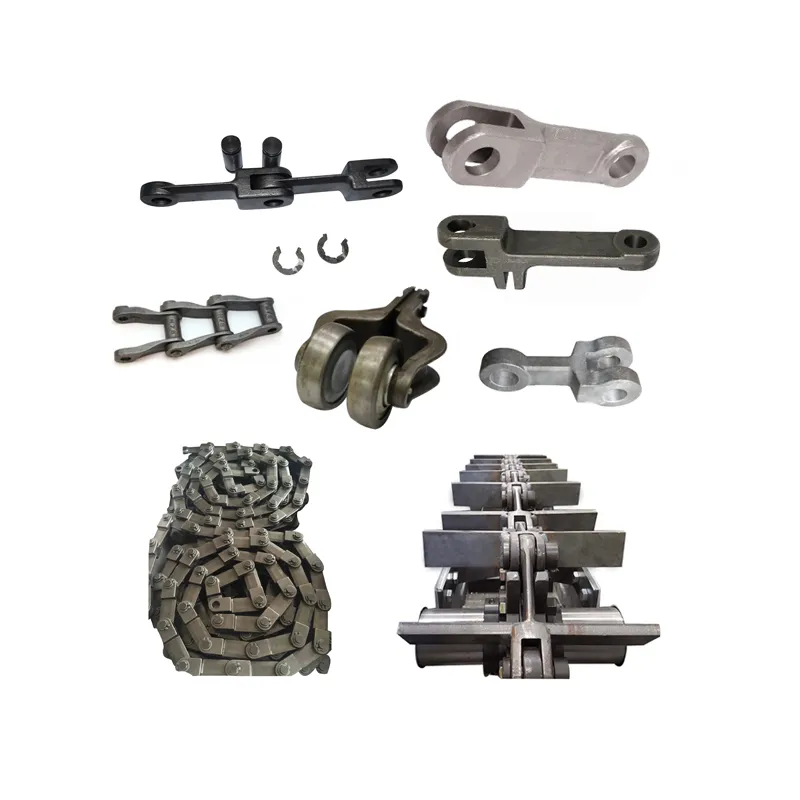
How do agricultural chains handle the presence of dirt, debris, and crop residues?
Agricultural chains are designed to handle the challenging conditions often found in farming environments, including the presence of dirt, debris, and crop residues. Here’s how they handle these elements:
- Self-Cleaning Design: Many agricultural chains are designed with a self-cleaning feature that allows them to shed dirt and debris as they operate. This design prevents the accumulation of materials that could cause wear or jamming.
- Durable Materials: Agricultural chains are typically made from high-quality, durable materials such as carbon steel or stainless steel. These materials are resistant to corrosion and can withstand the abrasive effects of dirt and crop residues.
- Lubrication: Proper lubrication plays a crucial role in agricultural chain performance. The lubricant helps to reduce friction and wear, while also providing a protective barrier against dirt and contaminants.
- Regular Maintenance: Regular inspection and maintenance of agricultural chains are essential to keep them functioning optimally. This includes cleaning the chains to remove any accumulated dirt and debris and reapplying lubrication as needed.
- Chain Covers and Guards: In some applications, chain covers or guards may be used to protect the chains from direct exposure to dirt and crop residues. These covers also enhance operator safety by preventing accidental contact with moving parts.
- Proper Chain Tension: Maintaining the correct tension in the chains ensures smooth operation and reduces the risk of debris getting trapped between chain links.
Overall, agricultural chains are designed to be robust and resilient, capable of withstanding the challenges posed by dirt, debris, and crop residues commonly encountered in farming operations. However, regular maintenance and proper care are crucial to ensure their longevity and reliable performance in the field.
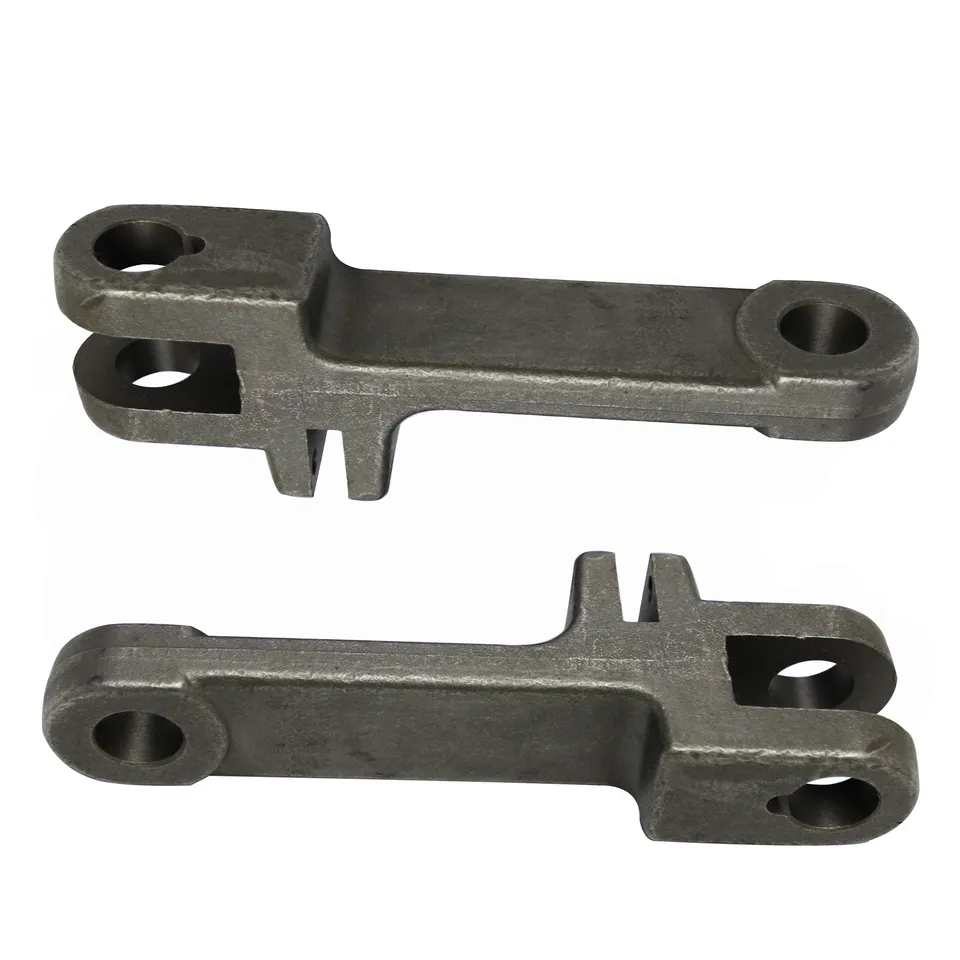
What materials are commonly used in manufacturing agricultural chains?
Agricultural chains are manufactured using various materials, each offering specific characteristics suitable for different farming applications. The most commonly used materials include:
- Carbon Steel: Carbon steel is a widely used material for agricultural chains due to its excellent strength, durability, and affordability. It is suitable for general-purpose chains used in many agricultural applications.
- Alloy Steel: Alloy steel chains are made by adding alloying elements to carbon steel, enhancing their strength and toughness. These chains are ideal for heavy-duty applications that require increased load-bearing capacity.
- Stainless Steel: Stainless steel chains are corrosion-resistant and maintain their strength and appearance even in harsh environments. They are commonly used in applications where resistance to rust and chemicals is essential, such as in poultry and food processing equipment.
- Plastic and Polymer: Some agricultural chains are made of plastic or polymer materials, which offer benefits like low friction, lightweight, and corrosion resistance. They are used in applications where noise reduction and low maintenance are priorities.
- Galvanized Steel: Galvanized chains are coated with a layer of zinc, providing additional protection against corrosion. They are suitable for outdoor applications exposed to moisture and agricultural chemicals.
The choice of material depends on factors such as the specific agricultural application, the operating environment, required strength, and budget considerations. Manufacturers select the appropriate material to ensure that the agricultural chains can withstand the demanding conditions of farming operations and contribute to the overall efficiency and productivity of the equipment.


editor by CX 2023-11-08