
Product Description
| Chain No | Pitch | Width Between Inner Plates |
Pin Dia |
Pin Length |
Inner Plate Depth |
Average Tensile Strength |
Weight |
| Mm | mm | mm | mm | mm | mm | Kn | kg/m |
| 04B-1 | 6.000 | 2.80 | 1.85 | 6.80 | 5.00 | 3.2 | 0.11 |
| 05B-1 | 8.000 | 3.00 | 2.31 | 8.20 | 7.10 | 5.9 | 0.20 |
| *06B-1 | 9.525 | 5.72 | 3.28 | 13.15 | 8.20 | 10.4 | 0.41 |
| 08B-1 | 12.700 | 7.75 | 4.45 | 16.70 | 11.80 | 19.40 | 0.69 |
| 10B-1 | 15.875 | 9.65 | 5.09 | 19.50 | 14.70 | 27.50 | 0.93 |
| 12B-1 | 19.050 | 11.68 | 5.72 | 22.50 | 16.00 | 32.20 | 1.15 |
| 16B-1 | 25.400 | 17.02 | 8.28 | 36.10 | 21.00 | 72.80 | 2.71 |
| 20B-1 | 31.750 | 19.56 | 10.19 | 41.30 | 26.40 | 106.7 | 3.70 |
| 24B-1 | 38.100 | 25.40 | 14.63 | 53.40 | 33.20 | 178.0 | 7.10 |
| 28B-1 | 44.450 | 30.99 | 15.90 | 65.10 | 36.70 | 222.0 | 8.50 |
| 32B-1 | 50.800 | 30.99 | 17.81 | 66.00 | 42.00 | 277.5 | 10.25 |
| 40B-1 | 63.50 | 38.10 | 22.89 | 82.20 | 52.96 | 394.0 | 16.35 |
| 48B-1 | 76.20 | 45.72 | 29.24 | 99.10 | 63.80 | 621.6 | 25.00 |
| 56B-1 | 88.90 | 53.34 | 34.32 | 114.60 | 77.80 | 940.0 | 35.78 |
Our company offers variety of products which can meet your multifarious demands. We adhere to the management principles of “quality first, customer first and credit-based” since the establishment of the company and always do our best to satisfy potential needs of our customers. Our company is sincerely willing to cooperate with enterprises from all over the world in order to realize a CZPT situation since the trend of economic globalization has developed with anirresistible force.
| Standard or Nonstandard: | Standard |
|---|---|
| Application: | Food Machinery |
| Structure: | Roller Chain |
| Material: | Stainless Steel |
| Type: | Double Pitch Chain |
| Function: | Transmisssion |
| Customization: |
Available
| Customized Request |
|---|
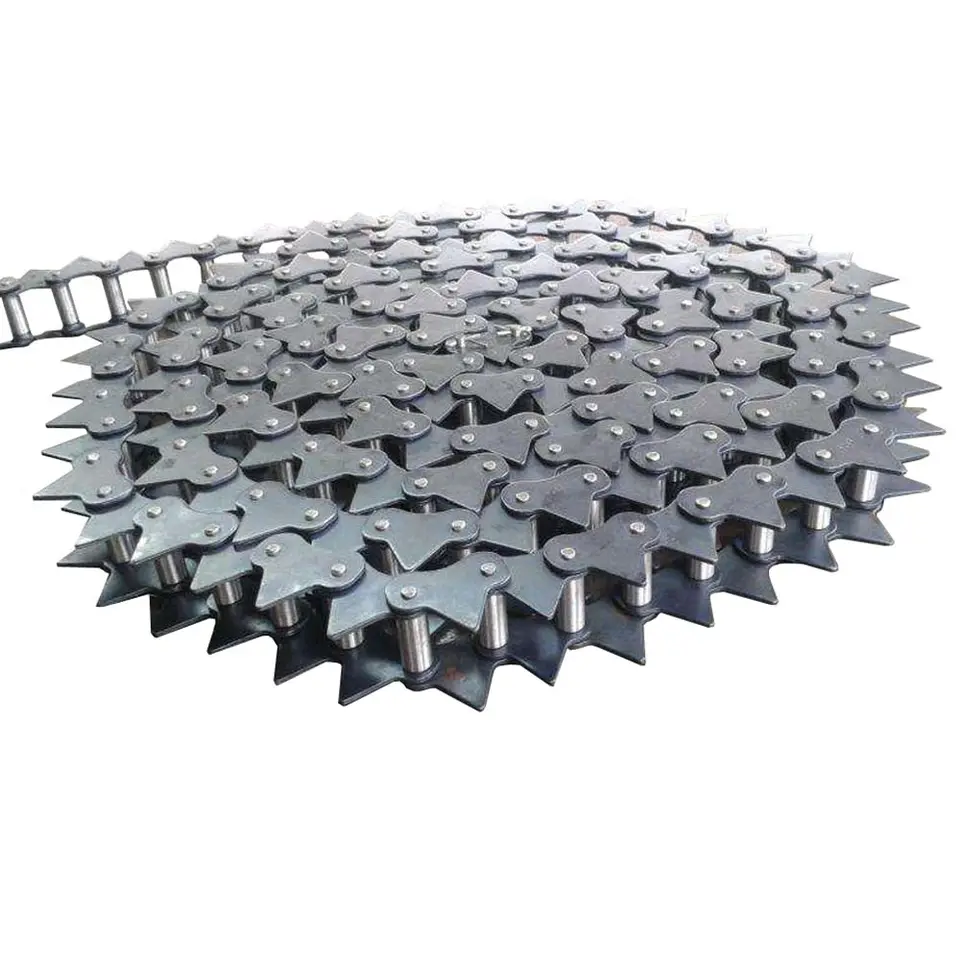
What are the benefits of using corrosion-resistant agricultural chains?
Corrosion-resistant agricultural chains offer several advantages in agricultural applications, especially in environments where exposure to moisture, chemicals, and other corrosive elements is common. Here are the key benefits of using corrosion-resistant agricultural chains:
- Longevity: Corrosion-resistant chains are designed to withstand the damaging effects of rust and corrosion, which can significantly extend the chain’s lifespan. This longevity reduces the frequency of chain replacements, leading to cost savings and less downtime for maintenance.
- Reliability: Chains that are resistant to corrosion maintain their structural integrity over time, ensuring consistent performance in demanding agricultural operations. They are less prone to breakage or failure, enhancing the reliability of equipment and machinery.
- Enhanced Performance: Agricultural chains with corrosion-resistant properties deliver optimal performance, even in harsh and corrosive environments. They provide smooth and efficient operation, contributing to improved productivity and overall efficiency.
- Low Maintenance: Corrosion-resistant chains require less maintenance compared to standard chains. They are better equipped to handle outdoor and high-moisture conditions, reducing the need for frequent lubrication and cleaning.
- Protection of Grains and Produce: In applications where agricultural chains come into direct contact with grains or produce, corrosion-resistant coatings prevent the risk of contamination, ensuring the quality and safety of the harvested crops.
- Cost-Effectiveness: While corrosion-resistant chains may have a slightly higher upfront cost, their extended lifespan and reduced maintenance needs make them a cost-effective choice in the long run.
- Environmental Adaptability: Corrosion-resistant chains are suitable for various agricultural settings, including outdoor grain storage, poultry and livestock farming, irrigation systems, and more. They can withstand exposure to rain, humidity, and other environmental factors.
Overall, the use of corrosion-resistant agricultural chains offers improved performance, reduced maintenance, and enhanced durability in corrosive agricultural environments. These chains contribute to the smooth and reliable operation of agricultural machinery, ensuring that farming processes continue efficiently and with minimal disruptions.
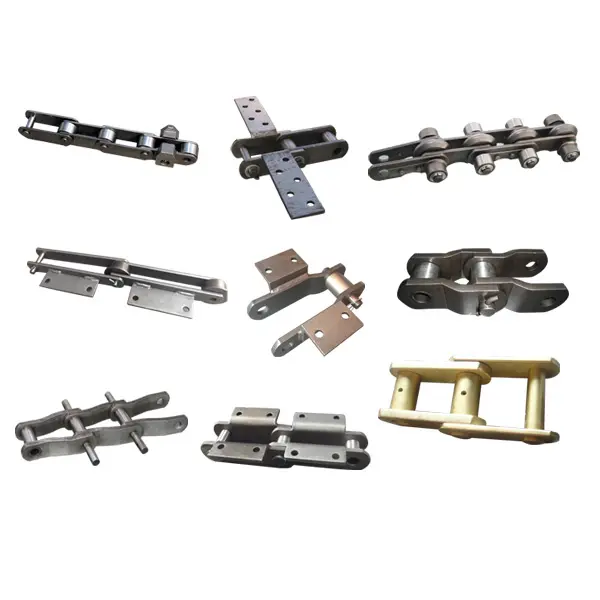
What are the common challenges faced by agricultural chains in the field?
Agricultural chains encounter several challenges in the field due to the demanding and harsh conditions of farming operations. Some of the common challenges include:
- Abrasion and Wear: Agricultural chains often operate in dusty and abrasive environments. Soil particles, crop residues, and other debris can cause significant wear on the chain’s components, leading to reduced efficiency and potential failure.
- Corrosion: Exposure to moisture, fertilizers, and pesticides can cause corrosion in agricultural chains, especially if they are not adequately protected. Corrosion weakens the chain and shortens its lifespan.
- High Loads and Shock Loads: Farming equipment frequently experiences high loads and shock loads during operations, such as when encountering tough soil or harvesting dense crops. These sudden force variations can put immense stress on the chains, leading to fatigue and breakage.
- Misalignment: Improper alignment of sprockets and other chain components can result in uneven wear and reduced performance. Misalignment is a common issue that can lead to premature failure of the agricultural chain.
- Temperature Extremes: Agricultural chains may be subjected to extreme temperature fluctuations, from hot summer days to freezing winter nights. Such temperature variations can affect the chain’s material properties and lubrication, impacting its performance.
- Contamination: The presence of dirt, debris, or crop residues can contaminate the chain’s lubrication, reducing its effectiveness and increasing friction.
To address these challenges, it is essential to choose high-quality agricultural chains made from durable materials and provide regular maintenance. Proper lubrication, alignment, and protection from environmental factors can significantly extend the lifespan and reliability of agricultural chains in the field.
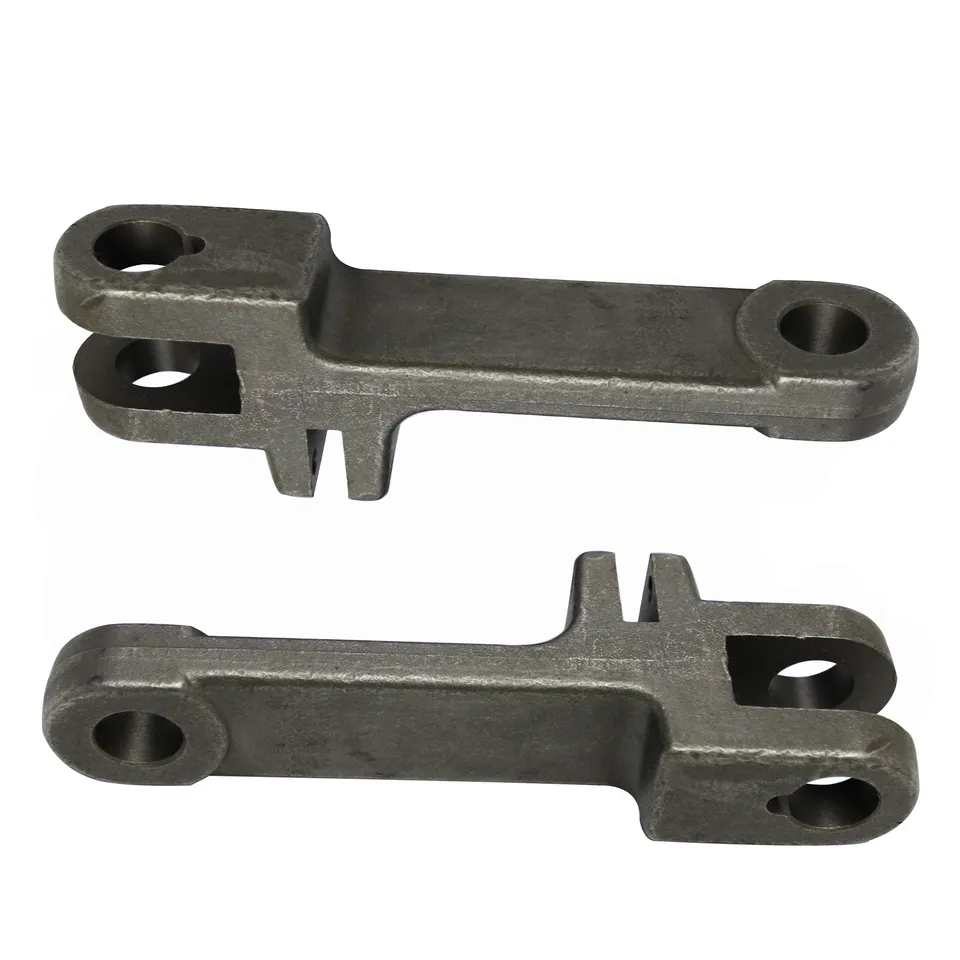
What materials are commonly used in manufacturing agricultural chains?
Agricultural chains are manufactured using various materials, each offering specific characteristics suitable for different farming applications. The most commonly used materials include:
- Carbon Steel: Carbon steel is a widely used material for agricultural chains due to its excellent strength, durability, and affordability. It is suitable for general-purpose chains used in many agricultural applications.
- Alloy Steel: Alloy steel chains are made by adding alloying elements to carbon steel, enhancing their strength and toughness. These chains are ideal for heavy-duty applications that require increased load-bearing capacity.
- Stainless Steel: Stainless steel chains are corrosion-resistant and maintain their strength and appearance even in harsh environments. They are commonly used in applications where resistance to rust and chemicals is essential, such as in poultry and food processing equipment.
- Plastic and Polymer: Some agricultural chains are made of plastic or polymer materials, which offer benefits like low friction, lightweight, and corrosion resistance. They are used in applications where noise reduction and low maintenance are priorities.
- Galvanized Steel: Galvanized chains are coated with a layer of zinc, providing additional protection against corrosion. They are suitable for outdoor applications exposed to moisture and agricultural chemicals.
The choice of material depends on factors such as the specific agricultural application, the operating environment, required strength, and budget considerations. Manufacturers select the appropriate material to ensure that the agricultural chains can withstand the demanding conditions of farming operations and contribute to the overall efficiency and productivity of the equipment.


editor by CX 2023-09-08