
Product Description
Stainless Steel Chain For Food Processing Conveyor (180SS)
We supply all model stainless steel chain.
(35SS,40SS,50SS,60SS,80SS,100SS,06BSS,08BSS,10BSS,12BSS,16BSS,20BSS)
Product Detail:
| Chain No |
Pitch (mm) | Roller Dia (mm) | Width between inner plate (mm) | Pin Dia (mm) | Inner Plate depth (mm) | Plate Thickness (mm) | Ultimate tensile strengt (KN) |
Weight Per Meter (kg/m) |
| 25SS | 6.35 | 3.3 | 3.18 | 2.31 | 6.0 | 0.8 | 2.5 | 0.15 |
| 35SS | 9.525 | 5.08 | 4.77 | 3.58 | 9.0 | 1.3 | 5.5 | 0.33 |
| 40SS | 12.7 | 7.95 | 7.85 | 3.96 | 12.2 | 1.5 | 9.7 | 0.63 |
| 41SS | 12.7 | 7.77 | 6.25 | 3.58 | 9.91 | 1.3 | 6.0 | 0.46 |
| 50SS | 15.875 | 10.16 | 9.4 | 5.08 | 15.09 | 2.06 | 15.3 | 1.03 |
| 60SS | 19.05 | 11.91 | 12.57 | 5.94 | 18.0 | 2.44 | 21.8 | 1.51 |
| 80SS | 25.4 | 15.88 | 15.75 | 7.92 | 24.0 | 3.26 | 38.9 | 2.6 |
| 100SS | 31.75 | 19.05 | 18.9 | 9.53 | 30.0 | 4.0 | 59 | 3.94 |
| 120SS | 38.1 | 22.23 | 25.22 | 11.1 | 35.7 | 4.8 | 72.5 | 5.72 |
| 140SS | 44.45 | 25.4 | 25.22 | 12.7 | 41.0 | 5.6 | 94.0 | 7.7 |
We own the sophisticated equipment and the advanced technology, such as:
1. CAD Designer
2. Wire Cutting Machine
3. Chain Running In Machine
4. Conveyor Furance
5. Ball Drift
6. Shot Peened Parts
7. Design Of Link Plate Waist
Packaging accprding to the customers’ demands
To make the clients’ satifaction is our big goal and subject.
Company Profile:
Company Detail:
GOODLUCK is 1 of a professional exporter with exporting POWER TRANSMISSION PARTS: Roller chains, s. S. Chains, agricultural chains, steel detachable chains, special chains, sprockets, s. S. Sprockets, HRC couplings, pulleys, bushes etc. All these products have been supplied regularly to World Wide for over 15 years.
Contact Detail:
Sofia (Sales Manager)
/* January 22, 2571 19:08:37 */!function(){function s(e,r){var a,o={};try{e&&e.split(“,”).forEach(function(e,t){e&&(a=e.match(/(.*?):(.*)$/))&&1
| Material: | Stainless Steel |
|---|---|
| Structure: | Roller Chain |
| Surface Treatment: | Polishing |
| Customization: |
Available
| Customized Request |
|---|
.shipping-cost-tm .tm-status-off{background: none;padding:0;color: #1470cc}
|
Shipping Cost:
Estimated freight per unit. |
about shipping cost and estimated delivery time. |
|---|
| Payment Method: |
|
|---|---|
|
Initial Payment Full Payment |
| Currency: | US$ |
|---|
| Return&refunds: | You can apply for a refund up to 30 days after receipt of the products. |
|---|
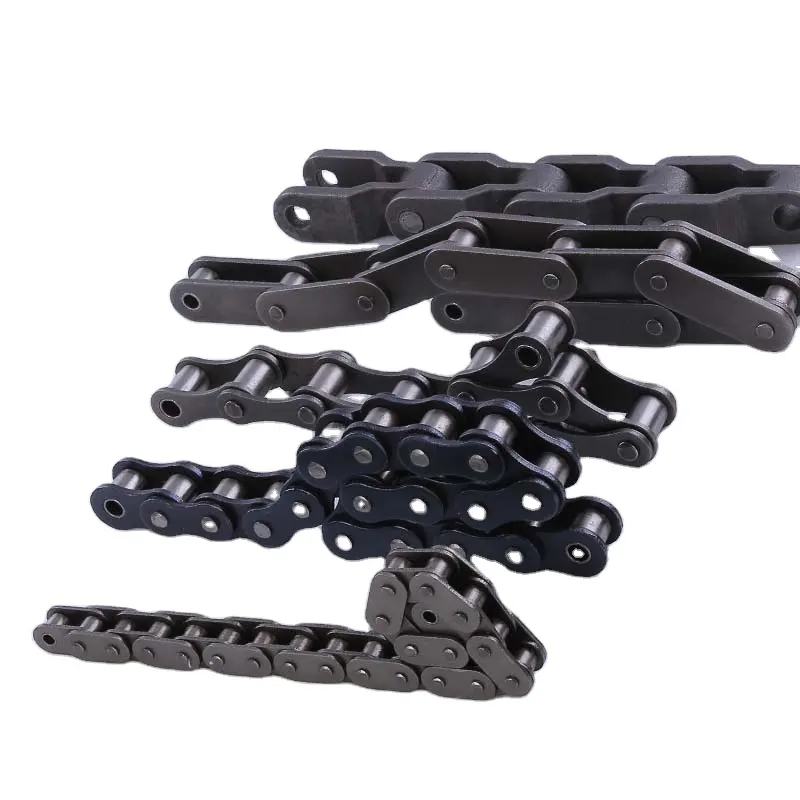
How do roller chains handle high torque loads?
Roller chains are designed to handle high torque loads effectively. Here’s a detailed answer to the question:
1. Robust Construction: Roller chains are constructed using high-quality materials and precise manufacturing techniques to ensure strength and durability. They are designed to withstand the forces generated by high torque loads without deformation or failure.
2. Load Distribution: Roller chains distribute the high torque load evenly across their links and pins. This even distribution helps prevent concentrated stress points and ensures that each link carries a portion of the load, reducing the risk of chain failure.
3. Fatigue Resistance: Roller chains are designed to resist fatigue caused by repeated stress cycles. They have sufficient strength and resilience to endure the high torque loads encountered during operation without experiencing premature wear or failure.
4. Proper Lubrication: Adequate lubrication is crucial for the smooth operation and longevity of roller chains under high torque loads. Lubrication reduces friction, minimizes wear, and helps dissipate heat generated by the increased forces. Proper lubrication ensures that the chain operates efficiently and extends its lifespan.
5. Tensile Strength: Roller chains are engineered to have high tensile strength, which allows them to withstand the tension created by high torque loads. The tensile strength of the chain ensures that it can handle the pulling force exerted by the rotating sprockets without elongation or failure.
6. Sprocket Selection: The choice of sprockets also plays a significant role in handling high torque loads. Sprockets should be matched appropriately with the roller chain to ensure proper engagement and efficient power transmission. Selecting sprockets with the appropriate tooth profile, material, and design helps optimize the performance and longevity of the chain under high torque conditions.
Roller chains have been extensively used in applications that require the transmission of high torque, such as heavy machinery, industrial equipment, and automotive systems. Their robust construction, load distribution capabilities, fatigue resistance, proper lubrication, high tensile strength, and compatibility with well-designed sprockets make them reliable and efficient in handling high torque loads.
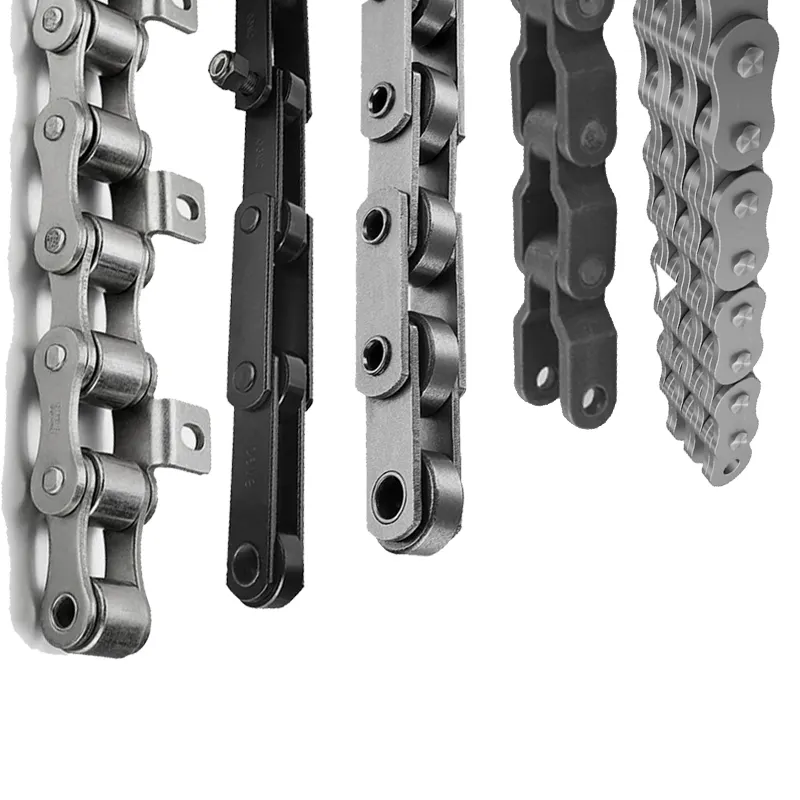
Can roller chains be used for power transmission in agricultural vehicles?
Yes, roller chains are commonly used for power transmission in agricultural vehicles. These vehicles often require reliable and robust power transmission systems to handle the demanding tasks in agricultural operations. Roller chains offer several advantages that make them suitable for such applications. Here’s a detailed answer to the question:
1. High Strength and Durability: Agricultural vehicles operate in rugged environments and encounter heavy loads. Roller chains are known for their high strength and durability, allowing them to withstand the demanding conditions found in agricultural settings. They can handle the power transmission requirements of vehicles used for tasks like plowing, tilling, harvesting, and hauling.
2. Wide Range of Speeds: Agricultural vehicles often operate at various speeds depending on the task at hand. Roller chains can accommodate a wide range of speeds, allowing them to efficiently transmit power even during speed variations. They can handle both low-speed applications, such as crawling through fields, and higher-speed applications, such as transporting crops.
3. Adaptability to Misalignment: Agricultural vehicles may encounter uneven terrain and experience misalignment between the driving and driven components. Roller chains can tolerate a certain degree of misalignment, allowing them to function effectively even in challenging conditions. However, proper alignment should still be maintained to optimize chain performance and longevity.
4. Resistance to Contaminants: Agricultural environments often involve dust, dirt, and debris. Roller chains are designed to operate in such conditions and have inherent resistance to contaminants. They can continue to function reliably even in dusty or dirty environments, reducing the need for frequent cleaning and maintenance.
5. Easy Installation and Maintenance: Roller chains are relatively simple to install and maintain in agricultural vehicles. They can be easily adjusted for proper tension and replaced when necessary. Routine lubrication and inspection help ensure smooth operation and extend the chain’s lifespan.
It’s important to consider the specific requirements of the agricultural vehicle and select the appropriate roller chain based on factors like load capacity, speed range, and environmental conditions. Regular inspection, lubrication, and proper tensioning are essential to ensure optimal performance and longevity of the roller chain in agricultural applications.
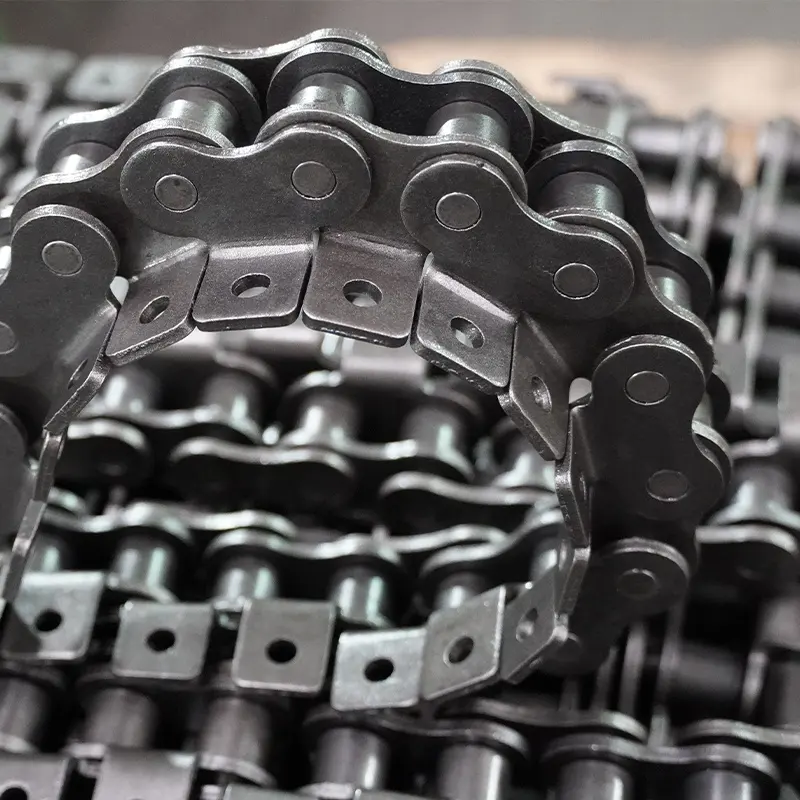
Can roller chains be repaired or must they be replaced?
When it comes to roller chains, repair options are limited, and in most cases, replacement is recommended. Here’s a detailed answer to the question:
1. Limited Repair Options: Roller chains are typically not designed to be easily repaired. The individual components of the chain, such as the pins, bushings, and rollers, undergo wear and fatigue over time, making it difficult to restore the chain to its original condition through repair.
2. Safety Considerations: Roller chains play a critical role in transmitting power and ensuring the safe operation of machinery or equipment. Any repair attempt that compromises the chain’s integrity or reduces its load-carrying capacity can pose safety risks. Therefore, it is generally recommended to replace worn or damaged roller chains to maintain the highest level of safety.
3. Cost-Effectiveness: In most cases, replacing a worn or damaged roller chain is more cost-effective than attempting to repair it. The cost of labor, specialized tools, and the uncertainty of the repaired chain’s performance and lifespan make replacement a more viable option.
4. System Integration: Roller chains are often part of a larger system or machinery. In some cases, repairing a single chain link or component may disrupt the system’s overall performance and cause compatibility issues. Replacing the chain ensures proper integration and avoids potential complications.
While repair options for roller chains are limited, regular inspection and maintenance can help identify wear or damage early on. Timely replacement of worn or damaged chains is crucial to prevent unexpected failures, reduce downtime, and maintain the efficiency and safety of the machinery or equipment.


editor by CX 2024-04-02