
Product Description
ISO/ANSI/DIN Standard Short Pitch Precision Stainless Steel Hardware Transmission Motorcycle Industrial Roller Chain
Product Description
1. Material: Stainless Steel 304 & 316 / Alloy Carbon Steel
2. Surface Treatment: Shot peening / Zinc-plated / Nickel-plated / Dacromet-plated
3. Chain No:
35SS-1, 40SS-1, 50SS-1, 60SS-1, 80SS-1, 100SS-1, 120SS-1, 140SS-1;
35SS-2, 40SS-2, 50SS-2, 60SS-2, 80SS-2, 100SS-2, 120SS-2, 140SS-2;
35SS-3, 40SS-3, 50SS-3, 60SS-3, 80SS-3, 100SS-3, 120SS-3, 140SS-3;
4. Application: Stainless Steel Chains are used in so many industries, such as machine manufacturing, food machine, etc. Also are suitable for high and low temperature conditions.
5. Characteristic:
1. The chain can be used on the both sides of multi-axle transmission.
2. Easy installation and replacement.
3. It can obtain larger reduction ratio.
4. The roller chain has good elasticity, high strength and each hinge part has lubricating oil, so it can be stored easliy. Thus, compared with the rigid contact tooth, it has good cushioning and vibration absorbing ability.
| Product name | Stainless Steel Roller Chain From China |
| Materials Available | 1. Stainless Steel: SS304, SS316, etc |
| 2. Alloy Steel: 45Mn, 42CrMo, 20CrMo, etc | |
| 3. OEM according to your request | |
| Surface Treatment | Shot peening, Blackening, Oxygenation, Polishing, Zinc-plated, Nickel-plated, Anodized, etc. |
| Characteristic | Fire Resistant, Oil Resistant, Heat Resistant |
| Design criterion | ISO DIN ANSI & Customer’s Drawing |
| Size | Customer’s Drawing & ISO standard |
| Package | Wooden Case / Container and pallet, or made-to-order |
| Certificate | ISO9001: 2008 |
| Advantage | First quality, Best service, Competitive price, Fast delivery |
| Delivery Time | 20 days for samples. 45 days for official order. |
Detailed Photos
View more products,please click here…
Company Profile
| Usage: | Transmission Chain |
|---|---|
| Material: | Stainless steel |
| Structure: | Roller Chain |
| 80-1: | 1" |
| Size: | 50ss-1 |
| Other: | Corrosion Resistance |
| Samples: |
US$ 0/Meter
1 Meter(Min.Order) | |
|---|
| Customization: |
Available
| Customized Request |
|---|
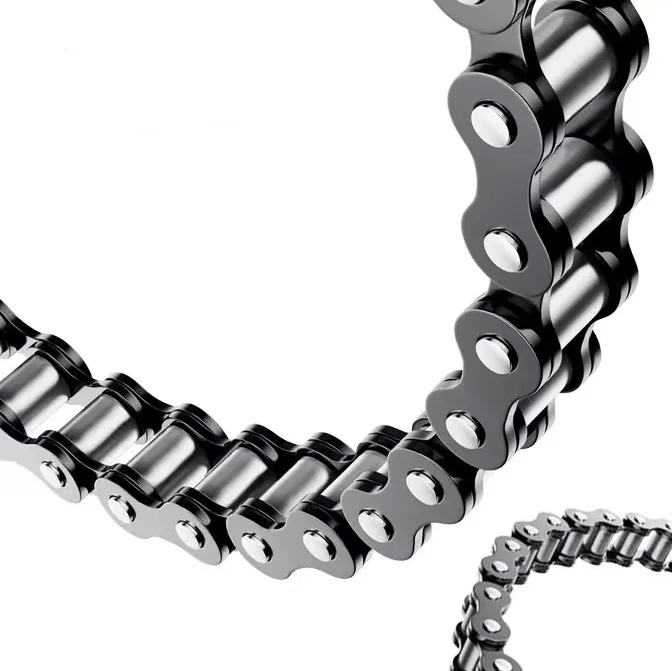
Are roller chains suitable for high-speed applications?
Roller chains are commonly used in a wide range of applications, including high-speed applications. Here’s a detailed answer to the question:
1. Robust Design: Roller chains are designed to withstand high-speed operation. They are constructed using high-quality materials and undergo precision manufacturing processes to ensure strength, durability, and reliability. The design includes features such as hardened pins, solid rollers, and precision bushings, which contribute to their ability to handle high speeds.
2. Efficient Power Transmission: Roller chains provide efficient power transmission at high speeds. The smooth engagement between the chain and the sprockets allows for minimal energy loss, ensuring effective transfer of power from the driving sprocket to the driven sprocket. This is particularly important in high-speed applications where efficiency is crucial.
3. Lubrication and Heat Dissipation: Proper lubrication is essential for the smooth operation of roller chains at high speeds. Lubrication reduces friction and heat generation, which can occur during high-speed operation. The lubricant helps to minimize wear, reduce noise, and dissipate heat, ensuring the chain operates within its optimal temperature range.
4. Dynamic Balance: Roller chains are designed to maintain dynamic balance during high-speed rotation. The symmetrical design and uniform weight distribution of the chain links and rollers help minimize vibration and reduce the risk of chain jump or derailment. This promotes stable and reliable performance, even at high speeds.
It is important to select the appropriate type and size of roller chain for a specific high-speed application, considering factors such as the required load capacity, speed, environmental conditions, and lubrication requirements. Regular maintenance, including proper lubrication, tension adjustment, and inspection of the chain and sprockets, is also crucial to ensure safe and reliable operation at high speeds.
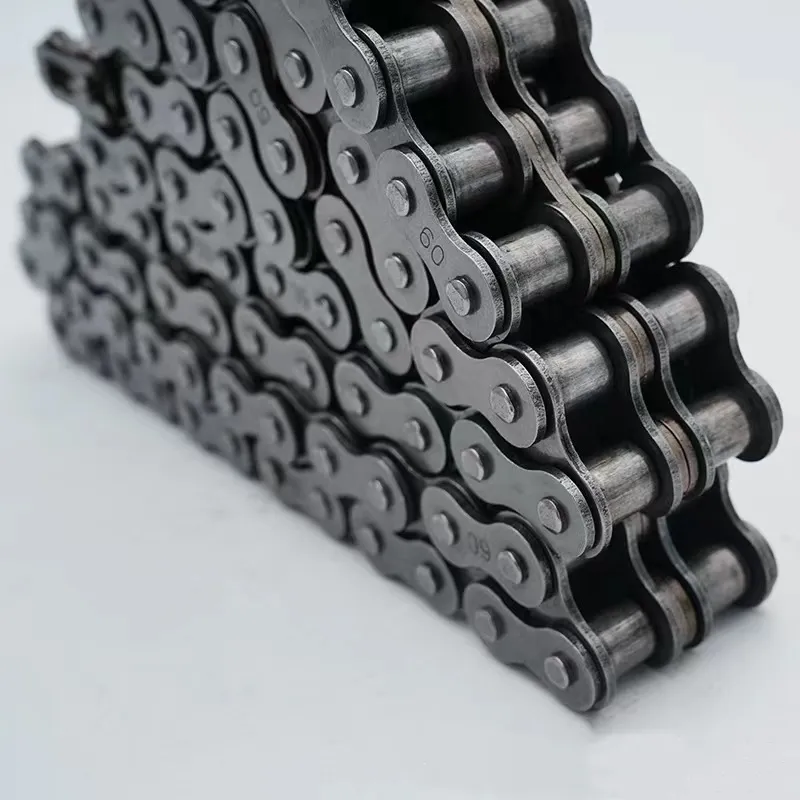
How do roller chains handle abrasive environments?
Roller chains are designed to handle various operating conditions, including abrasive environments. Here’s a detailed answer to the question:
1. Material Selection: Roller chains are typically constructed using high-quality materials that offer good resistance to abrasion. Common materials used for roller chains include alloy steel, stainless steel, or specialized coatings that enhance wear resistance.
2. Surface Hardness: The components of a roller chain, such as the pins, bushings, and rollers, are heat-treated to achieve a high surface hardness. This hardness helps to resist wear caused by abrasive particles present in the environment.
3. Lubrication: Proper lubrication plays a crucial role in protecting roller chains from abrasive wear. Lubricants act as a barrier between the chain components and abrasive contaminants, reducing friction and minimizing wear. The lubricant also helps to flush away any abrasive particles that may come in contact with the chain.
4. Sealing and Protection: Roller chains can be equipped with seals or protective covers to provide an additional layer of defense against abrasive particles. These seals help to prevent contaminants from entering the chain and causing premature wear. Seals also help to retain lubrication within the chain, further enhancing its performance in abrasive environments.
5. Regular Maintenance: Regular inspection and maintenance are essential to ensure the longevity of roller chains in abrasive environments. This includes periodic cleaning to remove accumulated debris and checking for signs of wear or damage. Prompt replacement of worn components is necessary to prevent further deterioration and ensure reliable operation.
While roller chains are generally robust in abrasive environments, it’s important to consider the severity of the abrasion, as extremely abrasive conditions may require specialized chain materials or additional protective measures. Consulting with experts and selecting the appropriate chain design and materials based on the specific application requirements can help maximize the performance and lifespan of roller chains in abrasive environments.
What are the best practices for maintaining roller chains?
Maintaining roller chains is crucial for their optimal performance, longevity, and reliability. Here are some best practices for maintaining roller chains:
1. Regular Lubrication: Proper lubrication is essential for reducing friction, preventing wear, and extending the life of the chain. Follow the manufacturer’s recommendations for the type and frequency of lubrication. Apply lubricant evenly along the chain, ensuring it reaches the inner rollers and bushings.
2. Cleanliness: Keep the roller chain clean and free from contaminants such as dirt, debris, and excess lubricant. Regularly inspect and clean the chain to remove any build-up that can contribute to wear and performance issues.
3. Tension Adjustment: Monitor the chain tension regularly and make adjustments as needed to ensure it remains within the manufacturer’s recommended range. Proper tension reduces stress on the chain and sprockets, minimizing wear and improving performance.
4. Alignment: Check the alignment of the sprockets to ensure they are properly aligned. Misaligned sprockets can cause uneven wear and premature failure of the chain. Adjust or replace the sprockets as necessary to maintain proper alignment.
5. Inspection: Regularly inspect the roller chain for signs of wear, damage, or elongation. Look for loose or damaged links, excessive wear on the sprocket teeth, or signs of fatigue. Replace any worn or damaged components promptly to prevent further damage and ensure safe operation.
6. Environmental Considerations: Consider the operating environment and take necessary precautions. In corrosive or high-temperature environments, use appropriate coatings or materials that offer resistance to corrosion and heat. In dirty or abrasive environments, install guards or shields to protect the chain from debris.
7. Training and Documentation: Provide proper training to maintenance personnel on roller chain maintenance and inspection procedures. Keep records of maintenance activities, including lubrication schedules, tension adjustments, and component replacements. This documentation helps track maintenance history and identifies patterns or potential issues.
8. Periodic Replacement: Despite regular maintenance, roller chains will eventually wear out. Establish a replacement schedule based on the chain’s expected lifespan and operating conditions. Replace the chain when it exhibits excessive wear, elongation, or signs of fatigue to prevent sudden failures.
By following these best practices, you can optimize the performance, lifespan, and reliability of roller chains, reducing downtime and ensuring the smooth operation of your machinery or equipment.


editor by CX 2023-10-07