
Product Description
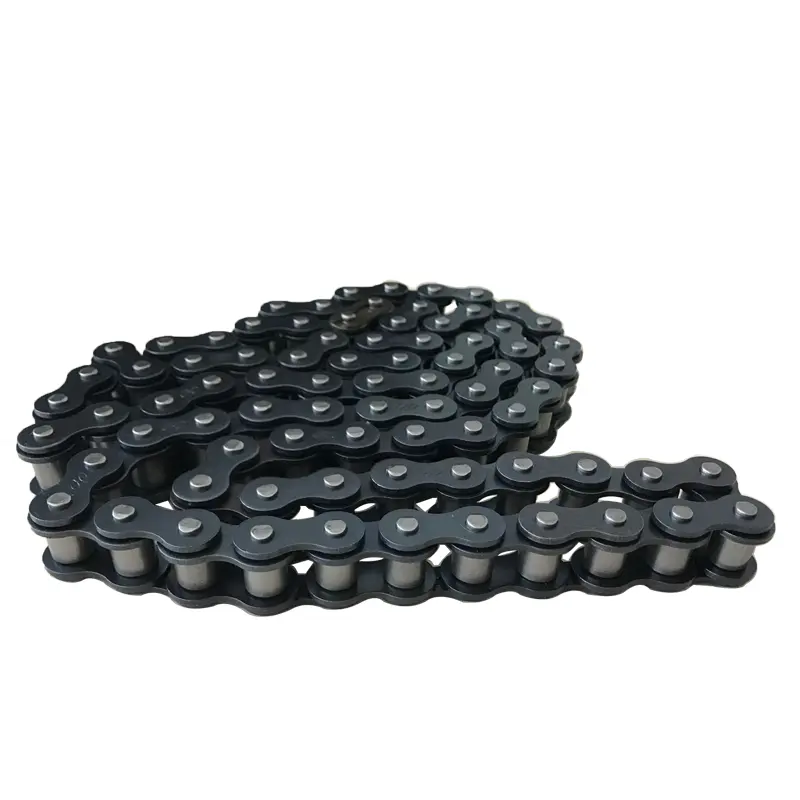
| 1)Type | Motorcycle Chain |
| 2)Materials | Grade A Steel: 40Mn(Plate) 30CrMnTi(Pin) 20Mn(Bush) Mn10(Roller) 65Mn(Clip) |
| 3)Chain No. | 428H |
| 4)Warranty | 30000 KMs |
| 5)Process | Sand blasting, Heat treatment, High speed impact, Four sides riveting, Pre-stretching and running, Lubricate with grease. |
| 6)MOQ | 1000Pcs |
| 7)Supply Ability | 1000000 Meter/Meters per year |
| 8)Tensile Strength/Hardness | standard or above |
| 9)Delivery Time | within 30 days after receiving your 30% deposits |
| 10)Payment Terms | L/C,T/T |
| 11)Packing | chains packing in polybag and color box, also can packing as your requirement |
Our Services
Pre-sales:
1. OEM &ODM service
2. Any of your kind inquiry would be replied within 24 hours.
3. Complete product information will be offered
4. Free sample will be sent if you need .
5. Any other reasonable requirements as per requested
During production ,we provide:
1. Schedule of production
2. Mass production picture will offered
3. Any other reasonable requirements as per requested
Finish production:
1. Courier tracking number
2. Documents you need
3. Protection of your sales area, ideas of design and all your private information.
FAQ:
Q1: Do you inspect the finished products?
A: Yes, each step of production and finished products will be carried out inspection by QC departing before shipping.
Q2: What’s the warranty of your products?
A: Usually we guarantee one year after delivery date, but depending on the specified product.
Q3: Are you manufacturer or Trade Company?
A: Both we are. We have been in motorcycle parts for nearly 20 years and it will be longer.
Q4: How to visit factory?
A: Leave us a message, and we will pick you up by car for free.
Q5: Can you do custom logo on the chain?
A: Yes,we can do custom logos by molding. Need your Authorization Letter.
/* January 22, 2571 19:08:37 */!function(){function s(e,r){var a,o={};try{e&&e.split(“,”).forEach(function(e,t){e&&(a=e.match(/(.*?):(.*)$/))&&1
| Type: | Chain |
|---|---|
| Material: | Steel |
| Certification: | ISO9001:2001, SGS |
| Number of Row: | Single Row |
| Surface Treatment: | Sand Blasting, Greasing |
| Thickness: | 2.03mm |
| Samples: |
US$ 0/Piece
1 Piece(Min.Order) | |
|---|
| Customization: |
Available
| Customized Request |
|---|
What are the factors that affect roller chain lifespan?
The lifespan of a roller chain can be influenced by several factors. Here’s a detailed answer to the question:
1. Load Capacity: The load capacity of a roller chain refers to its ability to handle the applied load without experiencing excessive stress or deformation. Using a roller chain that is properly sized and rated for the specific application’s load requirements is crucial for ensuring a longer lifespan.
2. Lubrication: Proper lubrication is essential for reducing friction and wear in a roller chain. Insufficient lubrication can lead to increased friction, heat generation, and accelerated wear. On the other hand, over-lubrication can attract contaminants and contribute to chain wear. Regular and proper lubrication based on the manufacturer’s recommendations is necessary to maximize chain lifespan.
3. Alignment: Proper alignment between the sprockets and the roller chain is critical for smooth operation and reduced wear. Misalignment can cause the chain to rub against the sprocket teeth, leading to increased friction and premature wear. Regular inspection and adjustment of the sprocket alignment can help extend the chain’s lifespan.
4. Environmental Conditions: The operating environment can have a significant impact on the lifespan of a roller chain. Factors such as temperature extremes, moisture, dust, chemicals, and abrasive contaminants can accelerate wear and corrosion. Using appropriate chain coatings, seals, and regular cleaning can help protect the chain and extend its lifespan.
5. Maintenance: Regular maintenance practices, including inspection, lubrication, and adjustment, are crucial for maximizing the lifespan of a roller chain. Periodic inspection for wear, damaged links, or other issues allows for timely replacement or repair, preventing further damage and potential chain failure.
6. Material Quality: The quality of the roller chain material affects its durability and resistance to wear. High-quality materials, such as alloy steel, with proper heat treatment and surface hardening, can enhance the chain’s strength and resistance to fatigue and wear.
7. Operational Conditions: The operating conditions, including speed, shock loads, and cycle frequency, can impact the chain’s lifespan. Excessive speeds, sudden changes in loads, or frequent starts and stops can put additional stress on the chain, leading to accelerated wear and potential failure.
By considering these factors and implementing proper maintenance and operating practices, the lifespan of a roller chain can be optimized, ensuring reliable and efficient performance over an extended period.
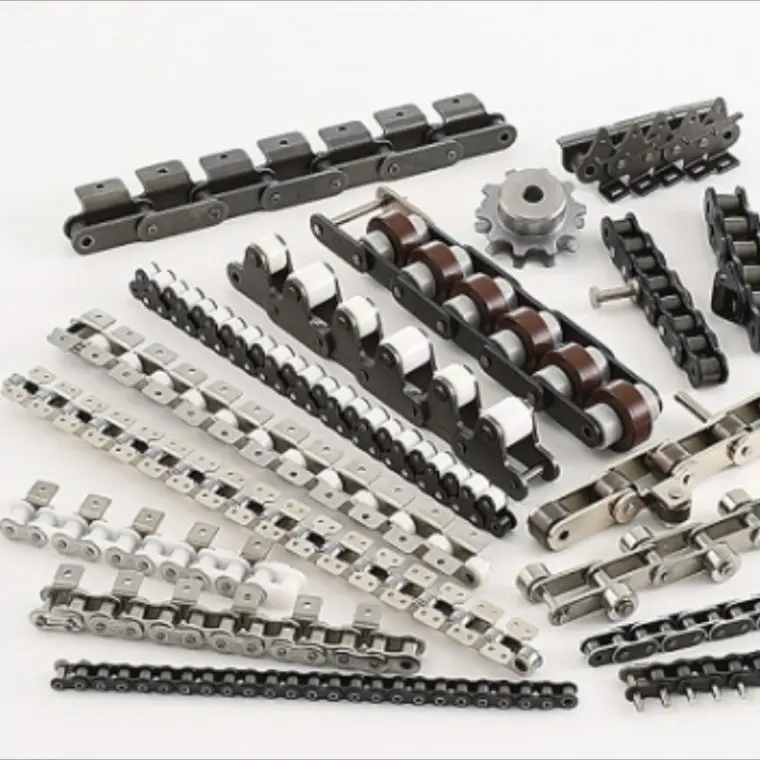
How do roller chains handle backstop or anti-reverse motion?
Roller chains are capable of handling backstop or anti-reverse motion through the use of specific chain attachments or additional components. Here’s a detailed answer to the question:
Backstop or anti-reverse motion is the ability of a system to prevent or control the reverse movement of a load. In applications where roller chains are required to handle backstop or anti-reverse motion, the following methods can be employed:
1. One-Way Clutch: A one-way clutch mechanism can be integrated into the system to allow the roller chain to transmit power in one direction while preventing reverse movement. This mechanism typically consists of a set of sprags or rollers that engage with the sprocket teeth in one direction and disengage in the reverse direction.
2. Ratchet and Pawl System: Another approach is the use of a ratchet and pawl system, where the roller chain is connected to a ratchet wheel with pawls that engage with the teeth of the wheel in one direction, allowing power transmission, and prevent reverse movement when the load tries to rotate in the opposite direction.
3. Overrunning Clutch: An overrunning clutch, also known as a freewheel, can be employed to allow the roller chain to transmit power in one direction and disengage in the reverse direction. This allows for smooth operation in applications where backstop or anti-reverse motion is required.
These mechanisms effectively enable the roller chain to handle backstop or anti-reverse motion by allowing power transmission in one direction and preventing reverse movement. The specific mechanism used depends on the application requirements and the desired level of control over the motion.
It’s important to consult the manufacturer’s guidelines and specifications when implementing backstop or anti-reverse motion in roller chain applications to ensure proper selection and installation of the appropriate mechanisms.
How do roller chains handle misalignment between sprockets?
Roller chains are designed to accommodate a certain degree of misalignment between sprockets. Here’s a detailed answer to the question:
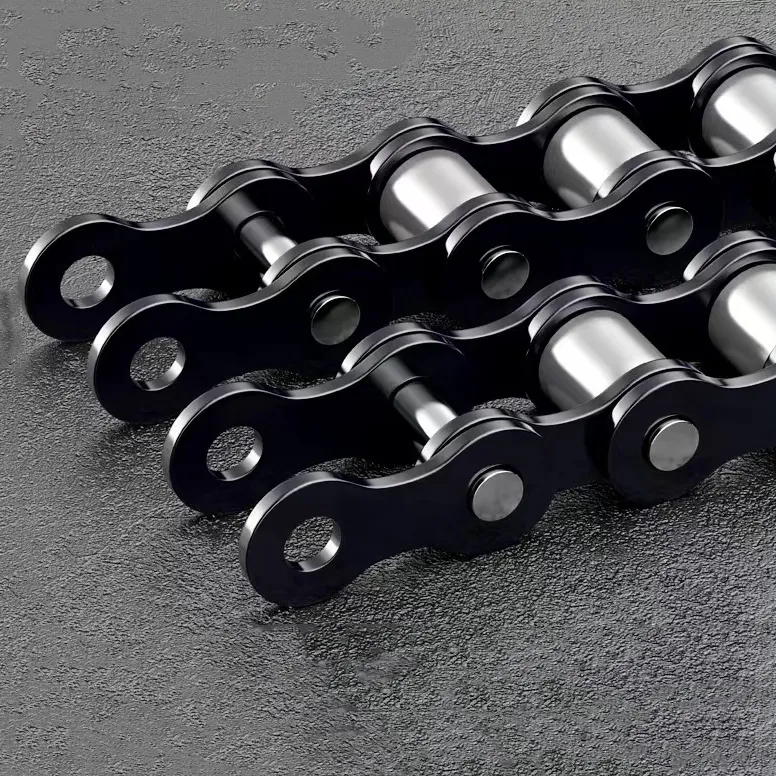
1. Side-Bending Capability: One of the key features of roller chains is their side-bending capability. The chain links have some flexibility, allowing them to articulate and adapt to slight misalignments between the sprockets. This flexibility helps maintain proper engagement between the chain and the sprockets, even if they are not perfectly aligned.
2. Articulating Pins and Bushings: Roller chains consist of pins and bushings that connect the chain links. These pins and bushings allow for rotational movement and articulation, enabling the chain to adjust to the misalignment between the sprockets. This ensures that the chain remains engaged with the sprockets and continues to transmit power effectively.
3. Chain Tension Adjustment: Misalignment between sprockets can cause variations in chain tension along the length of the chain. Roller chains typically have provisions for adjusting the chain tension, allowing for compensation of any slack or tight spots caused by misalignment. Proper tension adjustment helps maintain the chain’s engagement with the sprockets and ensures smooth power transmission.
4. Chain Guides and Tensioners: In cases where misalignment is more pronounced or persistent, chain guides and tensioners can be used to help guide the chain and maintain proper alignment. These components provide additional support and control the lateral movement of the chain, minimizing the effects of misalignment.
While roller chains can handle a certain amount of misalignment, it is important to note that excessive or prolonged misalignment can lead to increased wear, premature fatigue, and reduced chain life. Therefore, it is recommended to minimize misalignment as much as possible and regularly inspect and maintain the alignment of the sprockets to ensure optimal performance and longevity of the roller chain.


editor by CX 2024-04-12