
Product Description
CZPT rollers enhance rotation on the bushing while reducing impact loads on the sprocket tooth during operation.
All components are heat treated to achieve maximum strength. All components are heat treated to achieve maximum strength.
Pre-loaded during the manufacturing process to minimize initial elongation.
Hot dipped lubrication ensures 100% lubrication of all chain components to extend wear life and reduce maintenance costs.
| ISO NO. |
ANSI NO. |
PITCH | ROLLER LINK WIDTH |
ROLLER DIA |
PIN | PLATE | MIN. TENSILE STRENGTH |
AVG. TENSILE STRENGTH |
MAX. ALLOWABLE LOAD |
Pt | |||
| P | W | D | d | Lc | L | T | H | ||||||
| mm | mm | mm | mm | mm | mm | mm | mm | kgf | kgf | kgf | mm | ||
| 08AH | 40H | 12.700 | 7.850 | 7.850 | 3.980 | 19.000 | 20.100 | 12.00 | 2.00 | 1,700 | 2,100 | 400 | NIL |
| 10AH | 50H | 15.875 | 9.400 | 9.400 | 5.090 | 21.800 | 23.700 | 15.00 | 2.40 | 2,670 | 3,300 | 670 | NIL |
| 12AH | 60H | 19.050 | 12.580 | 12.580 | 5.960 | 30.200 | 34.800 | 18.00 | 3.20 | 3,830 | 4,550 | 980 | NIL |
| 16AH | 80H | 25.400 | 15.750 | 15.750 | 7.940 | 37.400 | 42.800 | 24.10 | 4.00 | 8,000 | 9,400 | 1,700 | NIL |
| 20AH | 100H | 31.750 | 18.900 | 18.900 | 9.540 | 44.500 | 50.600 | 30.10 | 4.80 | 10,650 | 13,700 | 2,500 | NIL |
| 24AH | 120H | 38.100 | 25.230 | 25.230 | 11.110 | 55.000 | 61.600 | 36.20 | 5.60 | 15,320 | 19,000 | 3,350 | NIL |
| 28AH | 140H | 44.450 | 25.230 | 25.230 | 12.710 | 59.000 | 66.400 | 42.20 | 6.40 | 20,850 | 23,000 | 4,400 | NIL |
| 32AH | 160H | 50.800 | 31.550 | 31.550 | 14.290 | 69.400 | 77.300 | 48.20 | 7.10 | 27,240 | 31,000 | 5,750 | NIL |
| 36AH | 180H | 57.150 | 35.490 | 35.490 | 17.460 | 77.300 | 86.400 | 54.30 | 7.90 | 30,040 | 34,500 | 6,600 | NIL |
| 40AH | 200H | 63.500 | 37.850 | 37.850 | 19.850 | 87.100 | 97.300 | 60.30 | 9.50 | 42,550 | 59,000 | 7,750 | NIL |
| 48AH | 240H | 76.200 | 47.350 | 47.350 | 23.810 | 111.400 | 121.900 | 72.40 | 12.70 | 63,730 | 71,000 | 10,500 | NIL |
| 12AH-2 | 60H-2 | 19.050 | 12.580 | 12.580 | 5.960 | 56.300 | 60.900 | 18.00 | 3.20 | 7,660 | 9,300 | 1,650 | 26.11 |
| 16AH-2 | 80H-2 | 25.400 | 16.760 | 15.750 | 7.940 | 70.000 | 75.400 | 24.10 | 4.00 | 16,000 | 18,800 | 2,800 | 32.59 |
| 20AH-2 | 100H-2 | 31.750 | 18.900 | 18.900 | 9.540 | 83.600 | 89.700 | 30.10 | 4.80 | 21,300 | 27,400 | 4,250 | 39.09 |
| 24AH-2 | 120H-2 | 38.100 | 25.230 | 25.230 | 11.110 | 103.900 | 110.500 | 36.20 | 5.60 | 30,640 | 38,000 | 5,650 | 48.87 |
| 28AH-2 | 140H-2 | 44.450 | 25.230 | 25.230 | 12.710 | 111.200 | 118.600 | 42.20 | 6.40 | 41,700 | 45,000 | 7,400 | 52.20 |
| 32AH-2 | 160H-2 | 50.800 | 31.550 | 31.550 | 14.290 | 131.300 | 139.200 | 48.20 | 7.10 | 54,480 | 62,000 | 9,600 | 61.90 |
| 36AH-2 | 180H-2 | 57.150 | 35.490 | 35.490 | 14.760 | 146.500 | 155.600 | 54.30 | 7.90 | 60,080 | 69,000 | 11,000 | 69.16 |
| 40AH-2 | 200H-2 | 53.500 | 37.850 | 37.850 | 19.860 | 165.400 | 175.600 | 60.30 | 9.50 | 85,100 | 98,000 | 12,850 | 78.31 |
| 48AH-2 | 240H-2 | 76.200 | 47.350 | 47.350 | 23.810 | 212.600 | 223.100 | 72.40 | 12.70 | 127,460 | 142,000 | 17,700 | 101.22 |
| Usage: | Transmission Chain, Conveyor Chain, Heavy Type Short Pitch Roller Chain |
|---|---|
| Material: | Alloy/Carbon Steel |
| Surface Treatment: | Polishing |
| Feature: | Heat Resistant |
| Chain Size: | 1/2"*3" |
| Structure: | Roller Chain |
| Samples: |
US$ 10/Meter
1 Meter(Min.Order) | |
|---|
| Customization: |
Available
| Customized Request |
|---|
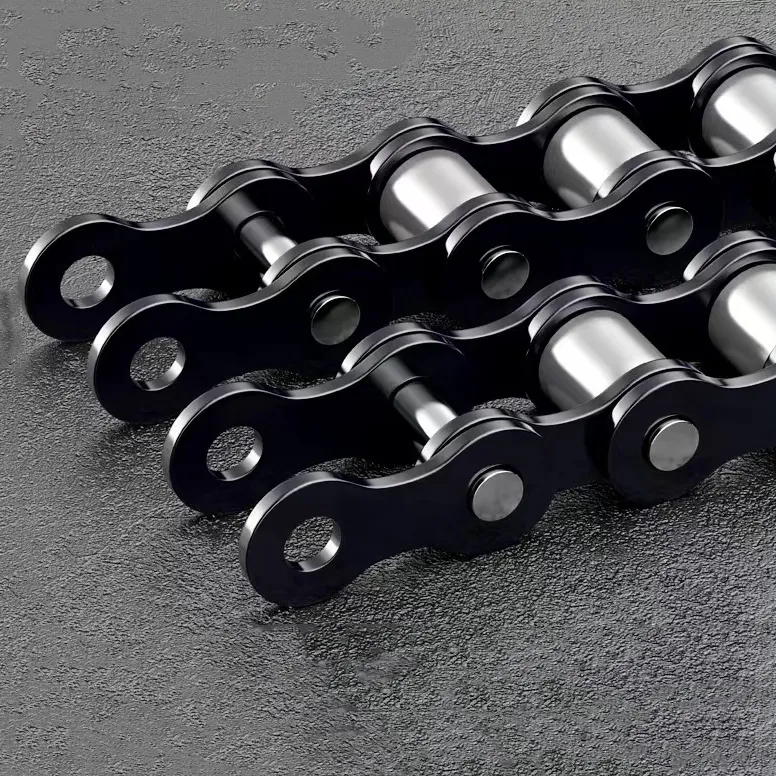
Can roller chains be used for overhead or inverted applications?
Roller chains can be used for overhead or inverted applications, but there are certain considerations to keep in mind. Here’s a detailed answer to the question:
1. Lubrication: In overhead or inverted applications, proper lubrication is crucial to ensure smooth operation and prevent premature wear. Gravity can affect the distribution of lubricant within the chain, so it’s important to use a lubrication method that can effectively reach all the critical components.
2. Tensioning: In overhead or inverted applications, the tensioning of the roller chain becomes even more important. The chain should be properly tensioned to prevent sagging or excessive slack, which can lead to uneven load distribution, chain skipping, or disengagement from the sprockets.
3. Environmental Considerations: Overhead or inverted applications may expose the roller chain to environmental factors such as dust, debris, moisture, or temperature variations. It’s important to select a roller chain that is designed to withstand the specific environmental conditions and provides adequate protection against corrosion, contamination, and wear.
4. Sprocket Alignment: Proper sprocket alignment is critical for the smooth operation of roller chains in overhead or inverted applications. Misalignment can result in chain binding, increased friction, and premature wear. Regular inspection and adjustment of the sprocket alignment are necessary to maintain optimal performance.
5. Chain Design: Depending on the specific requirements of the overhead or inverted application, specialized roller chain designs may be available. These designs may include features such as sealed joints, self-lubricating capabilities, or corrosion-resistant coatings to enhance performance and reliability in such applications.
By considering these factors and selecting a roller chain specifically designed for overhead or inverted applications, it is possible to achieve reliable and efficient power transmission in these challenging orientations.
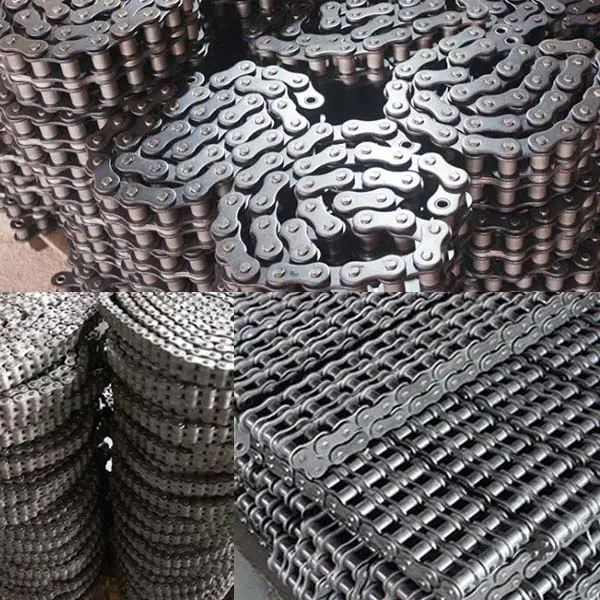
How do roller chains handle reverse motion?
Roller chains are capable of handling reverse motion in applications where the direction of movement needs to be reversed. Here’s a detailed answer to the question:
1. Bi-Directional Operation: Roller chains are designed to operate in both forward and reverse directions. The chain links and rollers are constructed to engage with the sprockets in either direction, allowing the chain to smoothly transfer power and motion.
2. Engagement with Sprockets: When the roller chain is in reverse motion, the rollers on the chain engage with the sprocket teeth in the opposite direction compared to forward motion. The engagement between the chain and the sprockets ensures a secure and reliable power transmission, allowing the chain to efficiently transfer motion in reverse.
3. Lubrication and Maintenance: Proper lubrication is essential for the smooth operation of roller chains, including during reverse motion. Adequate lubrication reduces friction and wear, ensuring the chain’s longevity and performance. Regular maintenance, including lubrication and inspection, helps identify any issues that may affect the chain’s ability to handle reverse motion and allows for timely corrective actions.
4. Proper Tensioning: Maintaining proper tension in the roller chain is crucial for its performance in both forward and reverse motion. Adequate tension ensures the chain remains engaged with the sprockets and prevents slippage or disengagement during reverse operation. Proper tensioning can be achieved through tensioning devices or adjustable mounting arrangements.
5. Load Capacity: Roller chains are designed to handle various loads, including reverse motion. However, it’s important to consider the specific application requirements and select a roller chain with the appropriate load capacity and strength to withstand the forces experienced during reverse operation.
6. Alignment and Installation: Proper alignment of the roller chain and the sprockets is essential for reliable performance in both forward and reverse motion. Ensuring correct installation, including proper alignment and tensioning, helps maintain the chain’s engagement with the sprockets and ensures smooth operation in reverse.
It’s worth noting that the specific application requirements, such as speed, load, environmental conditions, and the type of roller chain, should be considered when determining the suitability of roller chains for reverse motion. Consulting the manufacturer’s guidelines and recommendations is important to ensure proper selection, installation, and maintenance of roller chains in applications involving reverse operation.
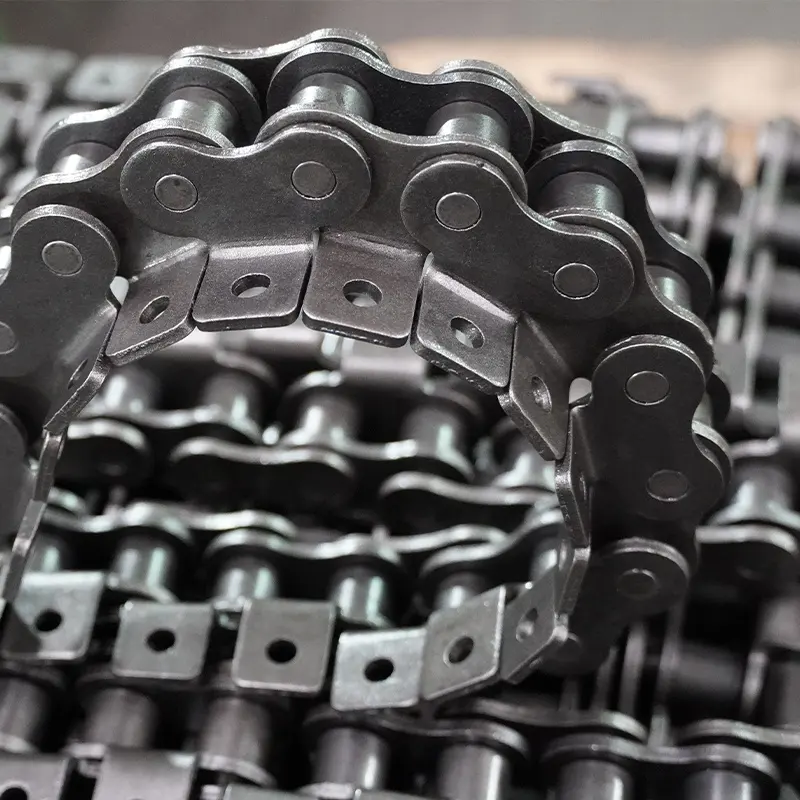
What are the benefits of using a roller chain over a gear drive?
Roller chains offer several advantages over gear drives in various applications. Here’s a detailed answer to the question:
1. Flexibility and Versatility: Roller chains provide greater flexibility and versatility compared to gear drives. They can be easily adjusted and modified to accommodate different shaft distances and angular positions. This flexibility allows for easier customization and adaptation to specific application requirements.
2. Cost-Effectiveness: Roller chains are generally more cost-effective than gear drives. They are simpler in design and construction, resulting in lower manufacturing and maintenance costs. Additionally, roller chains are easier to install, replace, and repair, reducing downtime and associated expenses.
3. Shock Absorption: Roller chains are designed to absorb shock loads and vibrations better than gear drives. The flexibility of the chain links and the ability to rotate on the sprockets allow for better shock absorption, reducing the risk of component failure and increasing overall system durability.
4. High-Speed Capability: Roller chains can handle high-speed applications more effectively than gear drives. They are designed to maintain proper engagement with the sprockets even at high rotational speeds, providing reliable power transmission. Gear drives, on the other hand, may experience issues such as tooth wear and increased noise at high speeds.
5. Lubrication and Maintenance: Roller chains generally require less frequent lubrication compared to gear drives. The rolling action of the chain links distributes the lubricant along the contact surfaces, reducing friction and wear. This results in lower maintenance requirements and increased operational efficiency.
6. Overload Protection: In applications where overload protection is required, roller chains offer an advantage over gear drives. The inherent flexibility of the chain allows for limited slippage or disengagement under excessive loads, protecting the driven machinery from damage. Gear drives, on the other hand, are more prone to sudden failures when subjected to overload conditions.
Overall, roller chains provide a reliable and cost-effective solution for power transmission in various industries. Their flexibility, shock absorption capability, high-speed performance, and ease of maintenance make them a preferred choice over gear drives in many applications.


editor by CX 2023-08-08